
Houthi Offensive Near Bab el-Mandeb Triggers Displacement Crisis as Toman Gains Ground
بحران آوارگان در پی حملات حوثیها به بابالمندب؛ عقبنشینی ۱.۱ درصدی دلار در بازار تهران
A massive Houthi offensive to seize the strategic Bab el-Mandeb Strait has displaced over 70,000 people, while New York Times reports reveal how past hard-line interventions sabotaged potential peace deals. Meanwhile, the Iranian Toman saw a slight recovery as USD sell rates dipped to 231,300.
At time of publishing
USD
231,300
Toman
Gold 18K
23.65M
Toman / gram
Bitcoin
$76,728
US Dollar
Tether
228,513
Toman
Houthi Offensive at Bab el-Mandeb Sparks Humanitarian Emergency
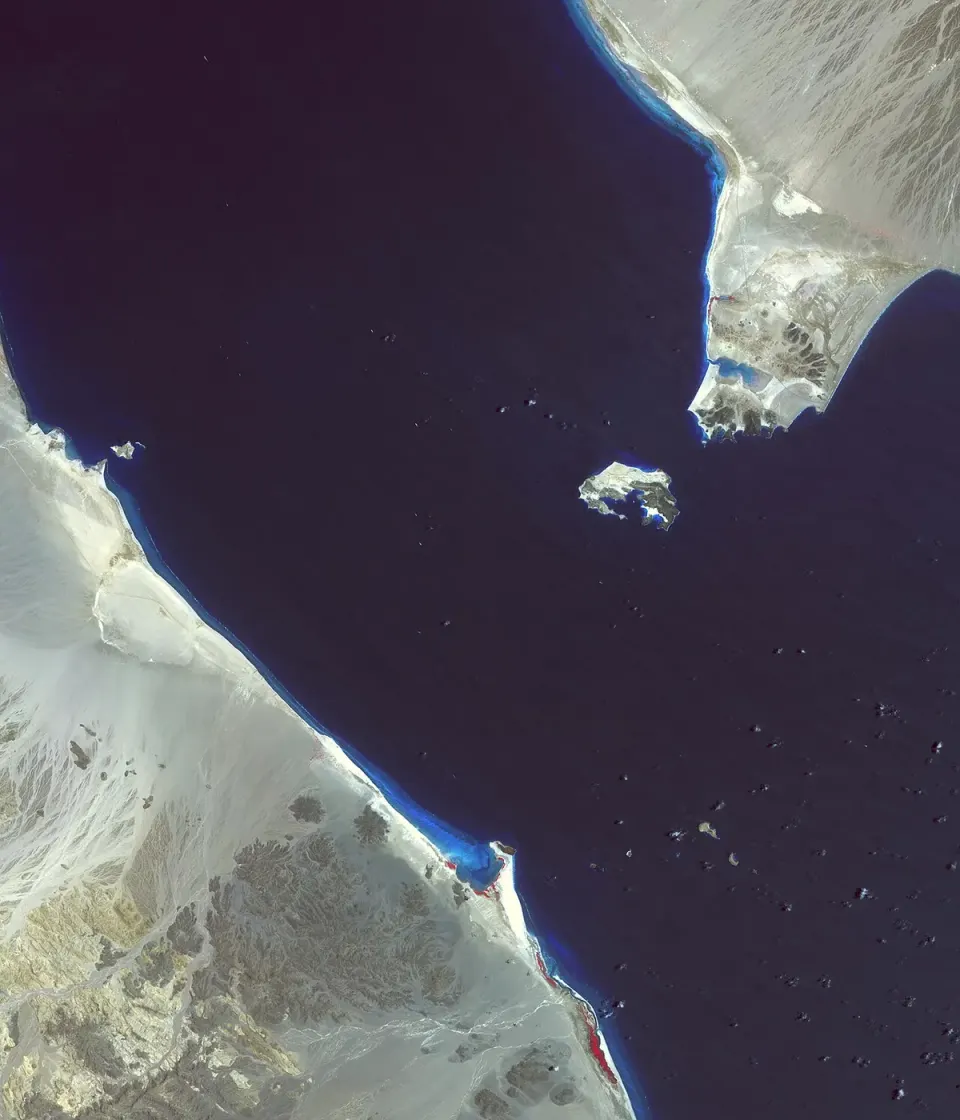
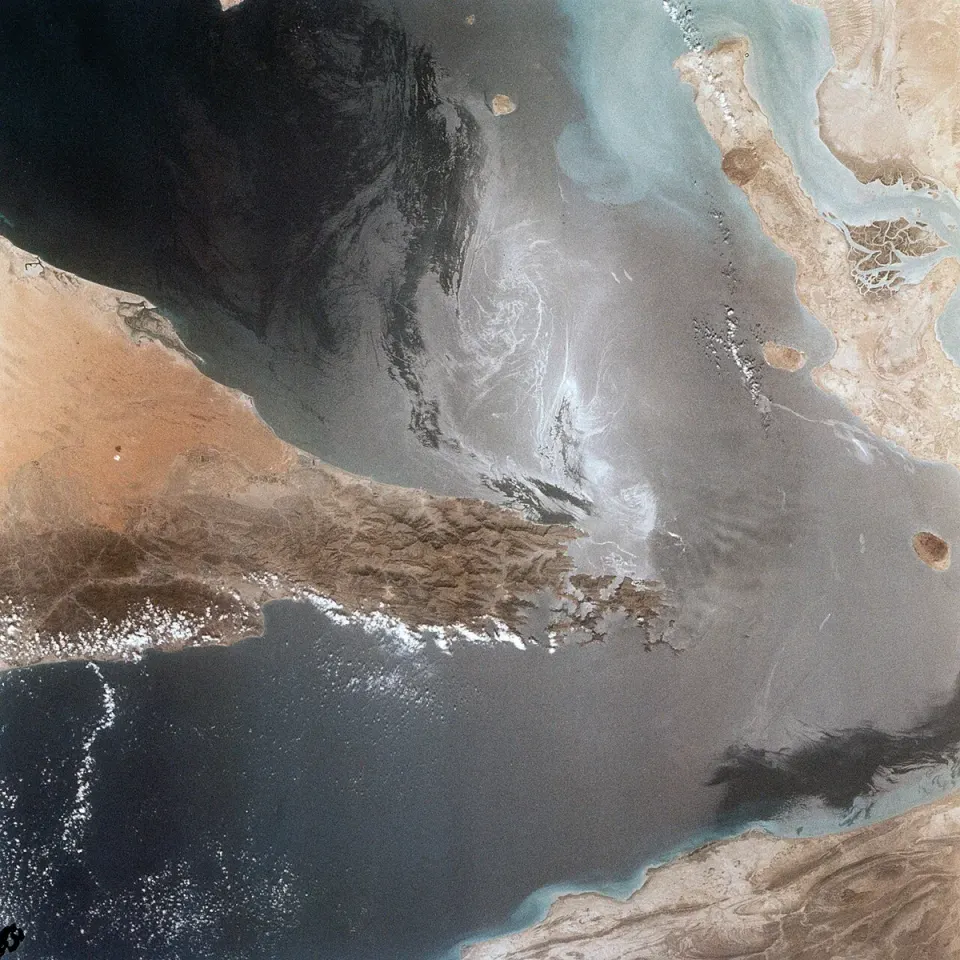
A major military escalation is unfolding in Yemen as Iran-backed Houthi rebels have launched a concerted offensive to seize control of the Bab el-Mandeb Strait. This strategic waterway, which serves as a primary gateway for global maritime trade between the Red Sea and the Indian Ocean, is now the epicenter of a new displacement crisis. According to reports from the International Organization for Migration (IOM) and the United Nations, more than 70,000 civilians have been forced to flee their homes in recent days. Many are seeking refuge in the southern city of Aden, while approximately 1,400 individuals have reportedly crossed the sea into neighboring Djibouti to escape the intensifying violence.
This offensive marks a significant shift in the 12-year conflict, threatening to further destabilize global shipping routes that have already been under pressure from drone and missile attacks. For regional observers, the timing of this push suggests a strategic attempt to gain leverage during a period of heightened geopolitical tension. The humanitarian situation is described as dire, with aid agencies warning that the influx of displaced persons is overwhelming already depleted resources in Aden. The international community remains on high alert, as any disruption to the Bab el-Mandeb could lead to a renewed spike in global energy prices and insurance premiums for cargo vessels.
Historical Sabotage: How Hard-liners Derailed Peace
A revealing investigative report by the New York Times has shed light on the internal friction within the Iranian establishment that allegedly blew up a potential peace deal during the Trump administration. According to regime insiders, hard-line factions within Iran conducted a clandestine campaign to attack commercial shipping in the Strait of Hormuz specifically to derail diplomatic efforts led by the then-president. The report suggests that while the executive branch was exploring avenues for de-escalation, these shadow operations were designed to create a state of perpetual crisis, ensuring that no rapprochement could occur with Washington.
This revelation underscores the deep-seated divisions that continue to influence Iranian foreign policy and market sentiment today. For the average Iranian citizen, these internal power struggles often translate into economic volatility. When hard-liners successfully sabotaged the deal, they effectively locked the country into a cycle of maximum pressure and sanctions that decimated the value of the national currency. Understanding this history is crucial for market participants who often react to rhetoric from various Iranian officials; it highlights that the "risk premium" baked into the price of gold and USD is often a reflection of domestic political battles as much as international pressure.
Tehran Market Update: Toman Recovers as Gold Dips
Despite the brewing crisis in the Bab el-Mandeb, the Iranian domestic market experienced a cooling period over the last 24 hours. The US Dollar, which had seen significant upward pressure earlier in the week, moved from 233,800 to 231,300 Toman, marking a 1.1% decrease. This slight strengthening of the Toman suggests that the market had perhaps over-indexed on the risk of immediate regional escalation and is now correcting as traders wait for more definitive geopolitical signals. However, the USD sell rate remains at historically elevated levels, keeping the cost of imports and general inflation high for the average household.
In the precious metals sector, the retreat was even more pronounced. The Emami gold coin saw its price drop from 239,500,000 to 235,000,000 Toman, a significant 1.9% decline in a single day. Similarly, 18-karat gold fell by 0.9%, moving from 23,858,442 to 23,646,059 Toman per gram. These movements are largely attributed to a stabilization in global gold prices, which currently sit at $4,349.70 per ounce, and a reduction in the local "bubble" or premium that often expands during times of panic. For investors, this volatility serves as a reminder that the Iranian gold market is currently a high-stakes environment where local political news can trigger rapid sell-offs.
Global Policy Shifts: Tariffs and Political Unrest
Beyond the Middle East, global markets are grappling with the fallout of aggressive trade policies and rising political extremism. In North America, the implementation of a 50% U.S. tariff on Canadian steel by the Trump administration is causing severe economic ruptures. Major mills in Ontario are reporting mass layoffs, which in turn is devastating "twin towns" that straddle the Michigan-Ontario border. This protectionist shift is not just a trade issue; it is dismantling decades of integrated cross-border life and supply chains, signaling a broader trend toward economic nationalism that could eventually impact global demand for raw materials.
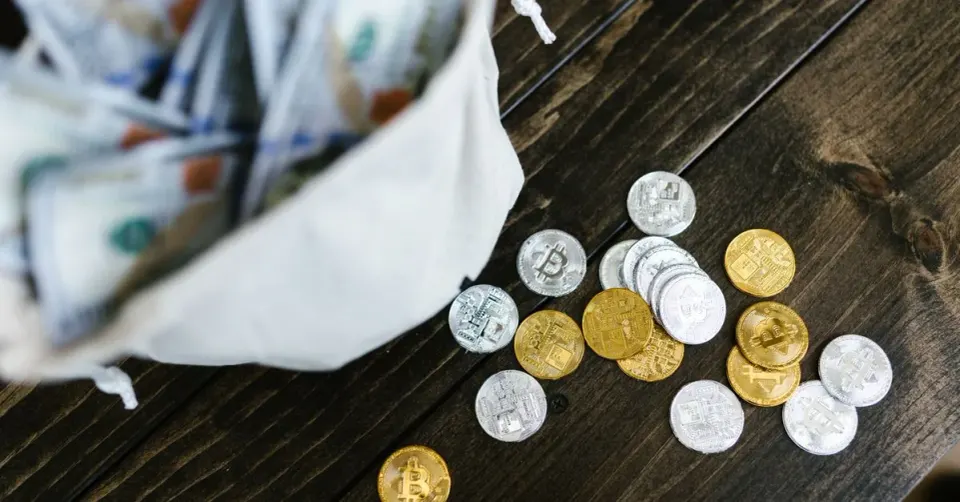
Meanwhile, in Europe, the rise of the far-right is triggering massive social pushback. In Germany, tens of thousands of citizens took to the streets across 20 cities to protest the AfD's historic victory in the Saxony-Anhalt state election. Demonstrators are voicing concerns over the future of German democracy, as mainstream parties struggle to form coalitions while excluding the far-right. These internal European tensions often lead to a weaker Euro and increased demand for safe-haven assets like the Swiss Franc or Bitcoin, which currently holds steady at $76,728 as investors watch these developed-market instabilities unfold.
Watch
Yemen: Houthi offensive triggers new displacement crisis • FRANCE 24 English
FRANCE 24 English
Frequently Asked Questions
Why did the Toman strengthen despite the new conflict in Yemen?
What is the strategic importance of the Bab el-Mandeb Strait?
How did hard-liners reportedly sabotage the Iran-Trump peace deal?
The Iranian Rial and Toman: Understanding Iran's Dual Currency System
Iran's currency system often puzzles outsiders due to its unique duality: while the official currency is the Iranian Rial (IRR), daily transactions and public discourse predominantly refer to the Toman. This isn't just a linguistic quirk; it's a deeply ingrained practice where one Toman is equivalent to ten Rials. For instance, if you hear an item costs '50 Toman,' it officially means 500 Rials. This informal system has persisted for decades, creating a layer of complexity for anyone trying to understand Iran's economy or engage in commerce.
The historical roots of this dual system trace back to pre-1930s Iran when the Toman was the official currency. Even after the Rial was formally introduced, the Toman remained the preferred unit for ease of calculation, especially as inflation eroded the Rial's value, leading to transactions involving increasingly large numbers of Rials. Successive Iranian governments have attempted to formalize the Toman by removing four zeros from the Rial – a policy known as 'redenomination' or 'currency reform.' The most recent attempt in 2020 approved a bill to change the official currency to Toman, effectively removing four zeros from the Rial, though the full transition is still underway and faces significant economic challenges.
Understanding this distinction is crucial when discussing Iran's economic indicators, such as the 'USD to IRR price' or the local currency 'gaining ground.' When a headline mentions the 'Toman gaining ground,' it refers to the strengthening of the local currency's purchasing power against foreign currencies, typically the US Dollar, in the unofficial or free market. This often happens in response to specific economic policies, changes in oil revenue, or shifts in international relations, such as the prospect of sanctions relief or a positive diplomatic development.
The value of the Rial (and by extension, the Toman) is heavily influenced by a complex interplay of factors, including global oil prices (Iran's primary export), international sanctions which restrict its access to global financial markets, domestic inflation rates, and the government's fiscal and monetary policies. The existence of both an official exchange rate (often managed by the central bank) and a significantly different free-market rate further complicates the picture, reflecting the underlying economic pressures and the public's confidence in the national currency. For the average Iranian, fluctuations in the Rial/Toman's value directly impact their purchasing power and cost of living.