
Sweden’s Rightward Shift Jolts Europe as ‘Iran War’ Disrupts Global Housing and Markets
چرخش سیاسی در سوئد و سایه سنگین تنشهای منطقهای بر اقتصاد جهانی؛ دلار و سکه در تهران عقبنشینی کردند
Sweden heads to the polls with the far-right poised for a historic win, while the UK warns that regional conflicts are derailing domestic infrastructure. Meanwhile, the Toman gains ground as gold and USD prices see a cooling trend in the Tehran market.
At time of publishing
USD
231,500
Toman
Gold 18K
23.69M
Toman / gram
Bitcoin
$76,637
US Dollar
Tether
230,090
Toman
Sweden’s High-Stakes Election and the Rise of Populism
Voting is currently underway in Sweden for an election that could fundamentally reshape the Nordic political landscape. The far-right Sweden Democrats (SD), a party with neo-Nazi roots, are currently eyeing a historic role in the government for the first time. Polls indicate an incredibly tight race, with only 0.3 percentage points separating the left and right blocs. This surge in populism is driven by a highly polarized campaign characterized by MAGA-inspired rhetoric and intense debates over immigration and national security, signaling a broader shift in European sentiment that could impact future EU-Iran diplomacy.
The potential victory of a right-wing bloc would not only alter Sweden's domestic policies but also send shockwaves through the European Union. As Sweden has traditionally been a bastion of liberal values, a government influenced by the SD would likely push for stricter border controls and a more skeptical approach to international aid and multilateral agreements. For Iranian observers, this shift represents a hardening of European foreign policy, potentially complicating future negotiations and trade channels as nationalist agendas take precedence over collective EU engagement.

The Economic Toll of the ‘Iran War’ on Global Infrastructure
In a candid admission that has startled markets, UK Housing Secretary Angela Rayner stated today that there is now a "slim chance" the British government will meet its manifesto target of building 1.5 million new homes. Rayner explicitly cited high construction costs and the ongoing "Iran war" as primary catalysts for this failure. This marks a significant moment where a major Western power directly attributes domestic policy failures to the regional instability surrounding Iran, highlighting how geopolitical friction is no longer localized but acts as a direct drag on global growth and infrastructure development.
The ripple effects of this conflict are being felt through disrupted supply chains and surging energy prices, which have made large-scale construction projects financially unviable in many parts of the world. As the conflict reshapes BRICS ties and exposes divisions within the global order, the economic cost of maintaining regional tensions is becoming increasingly visible in the everyday lives of citizens thousands of miles away. For the Iranian economy, this global focus on the conflict's cost suggests that international pressure for a resolution may intensify as Western domestic agendas become increasingly compromised by the shadow of war.

Tehran Market Snapshot: Toman Gains as Gold Cools
Amidst the global geopolitical noise, the Iranian Toman has shown signs of resilience in the last 24 hours. The US Dollar (USD) sell rate moved from 233,800 to 231,500 Toman, marking a 1.0% decrease. This cooling trend extended to the gold market, where the Emami coin dropped by 1.9%, falling from 239,500,000 to 235,000,000 Toman. Gold 18k per gram also saw a slight dip of 0.7%, settling at 23,685,304 Toman. These movements suggest a temporary easing of the "war premium" that has dominated local sentiment, as traders react to the latest regional developments and broader market corrections.
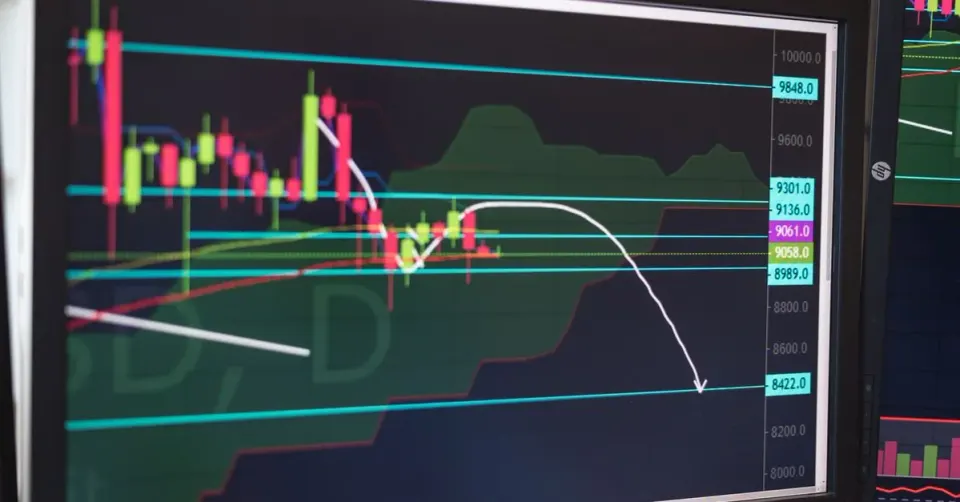
In the cryptocurrency sector, Bitcoin has faced downward pressure, slipping below the $77,000 mark to trade at approximately $76,637. The decline comes as global investors weigh the case for diversification against rising interest rate pressures and macroeconomic uncertainty. For local investors in Iran, the combination of a strengthening Toman and a softening crypto market creates a complex decision-making environment. While the immediate panic may have subsided, the volatility in global assets like Bitcoin suggests that the broader risk appetite remains fragile, heavily dependent on the next turn in international relations.
Trump’s ‘Child Millionaire’ Vow and US Political Maneuvering
As the US midterms approach, Donald Trump has doubled down on a controversial proposal to create "Trump accounts" for American children. The plan promises a $1,000 seed deposit for every newborn, with the goal of turning them into "child millionaires" through long-term federal investment. While Trump has hailed the program as a way to give children a "head start on the American dream," economic experts have expressed profound skepticism regarding the plan's feasibility and its true intent. Many view it as a populist maneuver designed to distract from his previous moves to cut public school funding and childcare support.
This policy push reflects a broader trend in American politics toward direct-to-citizen financial promises as a means of securing voter loyalty in a highly divided electorate. For global markets, such proposals raise concerns about future US fiscal responsibility and the potential for increased national debt. If implemented, these accounts could inject significant liquidity into the system over decades, but the immediate political impact is what matters most to observers today. As Trump attempts to regain ground amid low approval ratings, his economic rhetoric continues to be a major driver of market sentiment and expectations for future US trade and sanction policies.
Frequently Asked Questions
Why did the price of gold and USD drop in Tehran today?
How is the conflict involving Iran affecting the UK housing market?
What are the 'Trump accounts' mentioned in recent news?
Geopolitical Risk and Global Financial Market Volatility
Geopolitical risk refers to the potential for political events, conflicts, or instability between countries or regions to disrupt the global economy and financial markets. These risks can range from trade wars and political coups to military conflicts and widespread civil unrest. When such events unfold or even appear imminent, they create significant uncertainty, prompting investors to reassess their portfolios and often leading to rapid shifts in asset prices, currency values, and commodity markets.
The mechanism through which geopolitical risk impacts markets is multifaceted. First, it can lead to a "flight to safety," where investors sell off assets perceived as risky (like emerging market stocks or currencies, or even growth-oriented investments) and move into traditional safe-haven assets such as the U.S. dollar, gold, or government bonds of stable economies. This explains why a potential major conflict, like an "Iran War" scenario, could cause a significant depreciation of the Iranian Rial (IRR) against the USD, and even impact more globally traded, often speculative assets like Bitcoin, which might see a "slip" as overall market risk aversion increases.
Furthermore, geopolitical events can directly impact supply chains, energy prices, and international trade. A conflict in a key oil-producing region, for example, can send crude oil prices soaring, leading to higher inflation globally and putting pressure on central banks to raise interest rates. These ripple effects can then spread to other sectors, including real estate. Higher interest rates, driven by inflation and economic uncertainty, can make mortgages more expensive, cooling housing markets and potentially exacerbating existing crises like the "UK housing crisis" by reducing affordability and investment. Thus, seemingly distant political events can have a profound and interconnected impact on diverse global markets.