Dinner Table Inflation: Global Food Prices Surge as Central Banks Face Moment of Truth
بحران در سفرهها: جهش قیمت مواد غذایی در بازارهای جهانی و آمادهباش بانکهای مرکزی
Global food prices are climbing alongside energy costs, forcing Wall Street to re-evaluate its inflation outlook. As regional tensions rattle markets, central banks in the US, UK, and Japan prepare for high-stakes interest rate decisions this week.
At time of publishing
USD
231,900
Toman
Gold 18K
23.73M
Toman / gram
Bitcoin
$76,649
US Dollar
Tether
229,974
Toman
The Dinner Table Crisis: Inflation Beyond Energy
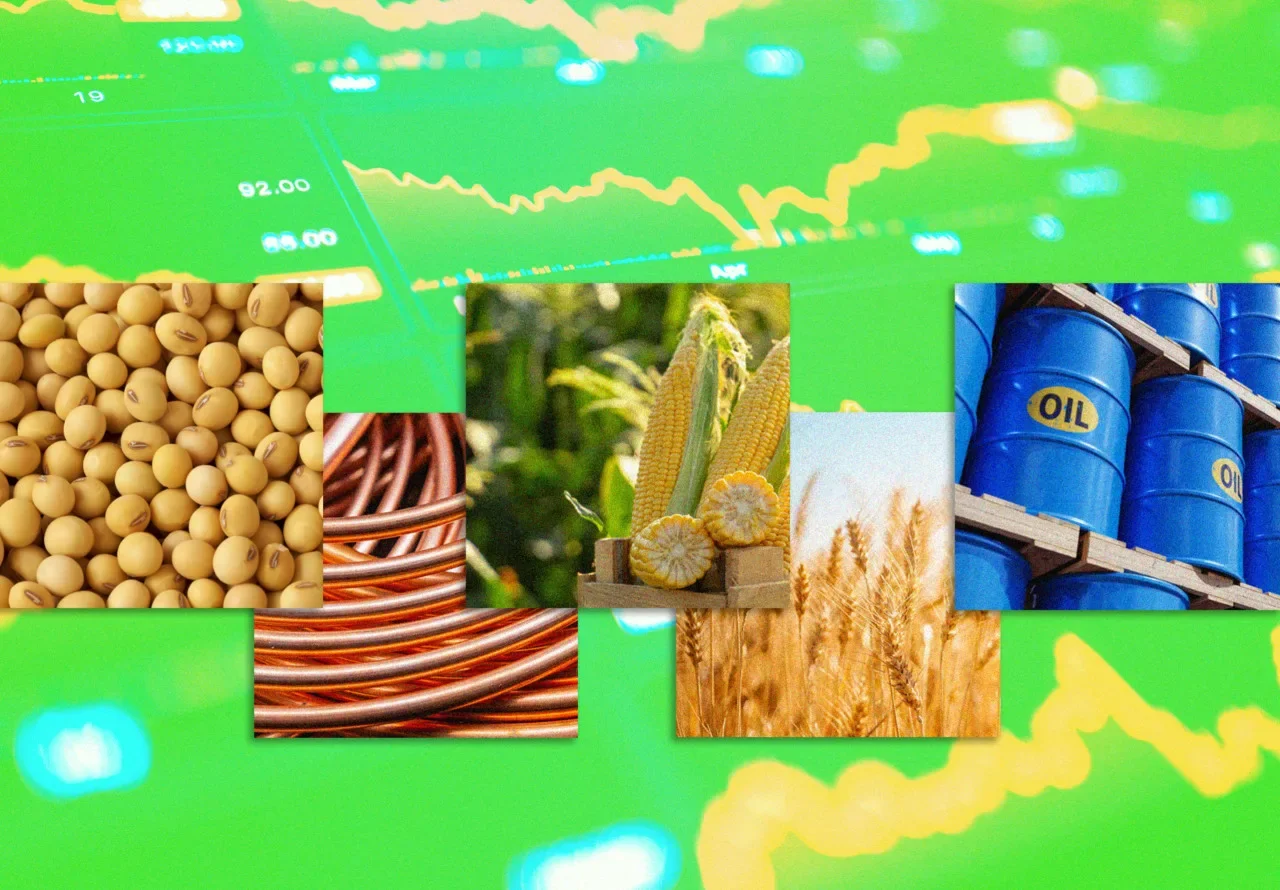
For months, the global economic conversation has been dominated by energy prices and the direct costs of the ongoing regional conflict involving Iran. However, a new and perhaps more insidious threat is emerging: the price of almost everything on the dinner table is climbing simultaneously. Rising crop prices, driven by both supply chain disruptions and geopolitical instability, are making the current inflation problem significantly broader than just a side effect of expensive oil. Wall Street has begun to take serious notice, with major financial institutions warning that the cost of living for the average household is set to rise regardless of what happens at the gas pump.
This shift in inflation dynamics is particularly concerning for emerging markets and countries like Iran, where food prices represent a larger portion of the average household budget. When wheat, corn, and other essential staples rise in tandem with energy, it creates a compounding effect on domestic prices. Even as the Toman showed a slight recovery today, with the USD selling price moving from 233,800 to 231,900 (-0.8%), the underlying pressure of global commodity inflation means that the purchasing power of Iranian families remains under heavy fire. Analysts suggest that unless global supply chains stabilize, the 'imported inflation' from global food markets will continue to erode any gains made by local currency interventions.

Central Banks Face a Moment of Truth
Against this backdrop of surging inflation, central bankers in the United States, Japan, and the United Kingdom are facing a critical week. Policymakers are scheduled to meet to set interest rates, and the stakes have rarely been higher. While there was earlier hope that rate hikes might be paused, the reality of turbulent global bond markets and the persistent 'Iran war' premium in energy and food has forced a rethink. Goldman Sachs, notably, has retracted its forecast of a pause, now aligning with other major banks that expect the Federal Reserve to maintain a hawkish stance to curb rising prices.
For the Iranian market, these decisions are far from academic. When the US Federal Reserve raises rates or maintains high borrowing costs, it typically strengthens the US Dollar globally and puts immense pressure on the currencies of developing nations. While the Toman saw a marginal 0.8% gain today, a more aggressive Fed could quickly reverse this trend. Furthermore, the volatility in global bond markets suggests that investors are bracing for a 'higher-for-longer' interest rate environment, which traditionally limits the flow of capital into riskier assets and emerging markets, further complicating Iran's economic outlook.

Escalation at the Bab el-Mandeb Strait
Geopolitical risks are intensifying as fighting escalates around the Bab el-Mandeb Strait, a vital maritime chokepoint for global trade. Reports indicate that Iran-backed Houthi forces have seized strategic territory, leading to immediate counterstrikes from government forces and alleged Saudi air raids. The Houthis have explicitly threatened to disrupt shipping through the strait, a move that would send shockwaves through the global economy by significantly increasing the cost of insurance and transport for goods traveling between Asia and Europe.
This escalation is a primary driver behind the 'war premium' currently baked into global commodity prices. Any prolonged disruption at Bab el-Mandeb could lead to another spike in energy prices, undoing recent cooling trends. In the domestic Iranian market, such news often triggers a flight to safety. While Emami gold coins fell 1.5% today to 236,000,000 Toman, the long-term trend remains tethered to these regional flashpoints. Investors are closely watching to see if this escalation leads to a broader maritime coalition, which could either stabilize the route or lead to further direct military engagement.
Circle’s $400M Bet on Emerging Markets
In the world of digital finance, Circle—the issuer of the USDC stablecoin—has made a major move by acquiring Tazapay for $400 million. This acquisition is a strategic attempt to gain a foothold in emerging markets, a territory long dominated by its rival, Tether (USDT). By integrating Tazapay’s infrastructure, Circle aims to make USDC the primary vehicle for cross-border trade and payments in regions where traditional banking systems are either inefficient or heavily sanctioned.
For crypto users in Iran, this competition is significant. Tether has historically been the 'de facto' digital dollar in the Iranian market, used for everything from capital flight to trade finance. If Circle manages to expand its reach through deals like this, it could provide more options for liquidity, though USDC’s stricter regulatory compliance with US authorities often makes it a less attractive option for those seeking to bypass sanctions. Nevertheless, the $400M deal underscores the growing importance of stablecoins as the infrastructure for the global economy's next chapter.
Frequently Asked Questions
چرا قیمت مواد غذایی در بازارهای جهانی جهش کرده است؟
تصمیمات نرخ بهره بانکهای مرکزی چه تأثیری بر بازار ایران دارد؟
اهمیت درگیریهای تنگه بابالمندب برای اقتصاد چیست؟
Understanding Imported Inflation: When Global Factors Drive Up Domestic Prices
Imported inflation occurs when the general price level of goods and services within a country rises due to increases in the prices of imported goods or services. This phenomenon is particularly critical for economies heavily reliant on foreign trade for essential commodities like food, energy, and raw materials. Unlike demand-pull or cost-push inflation originating from domestic factors, imported inflation is primarily driven by external forces, making it a significant challenge for policymakers to manage using traditional monetary tools.
The mechanisms through which imported inflation manifests are multifaceted. Firstly, a depreciation of the domestic currency against major international currencies (such as the US dollar) directly makes imports more expensive when priced in local currency. For instance, if the Iranian Rial weakens against the USD, the cost of imported food items, even if their international dollar price remains stable, will rise significantly for Iranian consumers. Secondly, a surge in global commodity prices – whether due to supply shocks, increased international demand, or speculative trading – directly translates into higher domestic costs for those commodities and any products that use them as inputs.
Geopolitical events frequently serve as powerful catalysts for imported inflation. Conflicts, such as those impacting shipping lanes like the Bab el-Mandeb strait or broader regional tensions like the Iran-Israel situation, can disrupt global supply chains, increase insurance premiums, and elevate transportation costs. These added expenses are then passed on to consumers in importing nations. Central banks, while typically tasked with managing inflation through interest rate adjustments, find themselves in a challenging position when facing imported inflation, as raising rates might cool domestic demand but does little to address the root causes stemming from international markets or geopolitical instability.