Etihad Defies Conflict as Oil Surges Past $108 Following Saudi Pipeline Shutdown
پایداری پروازهای منطقهای علیرغم تنشها؛ جهش قیمت نفت به ۱۰۸ دلار در پی توقف خط لوله عربستان
Despite intensifying regional hostilities, Etihad Airways reports record passenger demand, while global oil prices have spiked to $108 per barrel following drone attacks on Saudi Arabia's vital East-West pipeline.
At time of publishing
USD
234,400
Toman
Gold 18K
23.50M
Toman / gram
Bitcoin
$77,897
US Dollar
Tether
232,499
Toman
Etihad Airways Reports Resilience Amid Regional Turmoil
In a surprising show of operational resilience, Etihad Airways has reported strong passenger demand and an increase in capacity despite the ongoing regional conflict involving Iran and neighboring states. The CEO of the Abu Dhabi-based carrier noted that while the geopolitical situation remains volatile, the appetite for travel within and through the Middle East has not waned. This defiance of typical market trends suggests that the aviation sector has adapted to the 'new normal' of regional instability, utilizing sophisticated rerouting and risk management to maintain connectivity.
However, this resilience comes at a significant cost. Industry analysts point out that while passenger numbers remain high, the overhead for airlines operating in the Persian Gulf has skyrocketed due to increased insurance premiums and the necessity of longer flight paths to avoid active conflict zones. The fact that Etihad is expanding capacity now indicates a strategic bet that the region will remain a global transit hub regardless of the localized hostilities, though any further escalation could test the limits of this optimism.

Saudi Energy Infrastructure Under Fire as Oil Hits $108
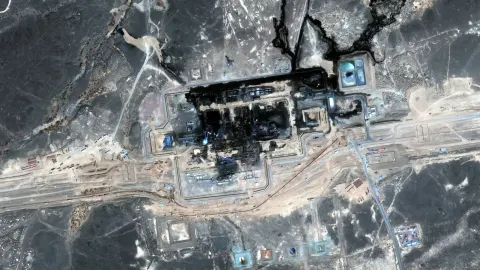
Global energy markets were jolted this Monday as Brent crude prices surged past $108 per barrel. The primary catalyst was the forced shutdown of Saudi Arabia’s East-West pipeline, a critical infrastructure piece capable of transporting 5 million barrels of crude daily. The shutdown followed a series of drone attacks launched from Iraqi territory near the Iranian border. Saudi officials described the incident as a targeted strike on global energy security, warning that the kingdom could face a shortage of export stocks within days if the pipeline remains offline.
This disruption is particularly severe because the East-West pipeline was designed specifically to bypass the Strait of Hormuz, which has been plagued by naval tensions and threats of closure. With this 'safety valve' now compromised, the global oil supply is more vulnerable than it has been in decades. Market participants are now pricing in a significant risk premium, fearing that the 4% of global supply typically carried by this line cannot be easily replaced in an environment where other regional producers are also under sanctions or facing internal strife.
Yemen Conflict Escalates at the Bab al-Mandab Choke Point
The geopolitical landscape darkened further as Houthi forces in Yemen captured the strategic island of Perim and the port city of Mokha. This move effectively grants the Iran-aligned group control over one of the world's most vital maritime corridors: the Bab al-Mandab Strait. The Yemeni government has vowed a counter-offensive, admitting to a 'painful' defeat, but the immediate impact is a heightened threat to commercial shipping entering the Red Sea. If the Houthis maintain their grip on these positions, they could potentially block the southern entrance to the Suez Canal, mirroring the disruptions seen in the Strait of Hormuz.
For the global economy, this represents a 'worst-case scenario' for supply chains. The Bab al-Mandab is the gateway for millions of barrels of oil and billions of dollars in consumer goods traveling between Asia and Europe. The escalation has prompted several major shipping firms to reconsider their routes, with some already diverting vessels around the Cape of Good Hope. This shift adds weeks to delivery times and millions to fuel costs, further stoking global inflationary pressures that were already at multi-year highs.
Iranian Markets React: Toman Depreciation and Gold Volatility
The domestic Iranian market has responded sharply to the weekend's escalations. In the last 24 hours, the US Dollar has seen a significant jump in the open market, moving from 229,200 to 234,400 Toman, a 2.3% increase. This depreciation reflects a growing lack of confidence among local traders as diplomatic efforts between Iran and its Arab neighbors appear to have hit a dead end. The 'strategic shock' felt in Riyadh after being rebuffed by the Trump administration regarding military support has only added to the regional sense of unpredictability, driving demand for hard currency as a hedge against further instability.
In the precious metals sector, the reaction was more nuanced. While 18k gold rose slightly by 0.3% to reach 23,498,314 Toman per gram, the Emami coin actually saw a slight decrease of 0.6%, settling at 234,500,000 Toman. This divergence suggests that while the base value of gold remains high due to global prices (with the ounce at $4,287.10), the local 'bubble' or premium on minted coins is deflating as liquidity tightens and investors prioritize the liquidity of the US Dollar over physical gold assets in the immediate term.
Frequently Asked Questions
چرا حمله به خط لوله شرق به غرب عربستان برای قیمت نفت حیاتی است؟
علت واگرایی قیمت طلای ۱۸ عیار و سکه امامی در بازار امروز چیست؟
تصرف جزیره پریم توسط حوثیها چه تأثیری بر اقتصاد جهانی دارد؟
How Oil Price Shocks Ripple Through Iran’s Currency
When global oil prices jump, the effect is felt far beyond the balance sheets of oil‑producing firms. For an oil‑importing country like Iran, a sudden surge—such as the spike to $108 per barrel after the Saudi pipeline attack—creates a cascade of macro‑economic pressures. First, the cost of importing crude and refined products rises sharply, widening the trade deficit. To finance this deficit, the government must sell more foreign currency reserves, which puts downward pressure on the Iranian rial (IRR) and, by extension, the Toman used in everyday transactions.
The mechanism linking oil prices to exchange rates is known as exchange‑rate pass‑through. Higher import bills increase demand for foreign currency (usually the U.S. dollar), while the supply of domestic currency in the foreign‑exchange market expands as the central bank tries to stabilize the market. In Iran’s case, the official USD/IRR rate has been diverging from the market rate, and the Toman’s depreciation accelerates as businesses and households hedge against a weaker rial. This depreciation feeds into inflation because imported goods—fuel, food, medicines—become more expensive, eroding real wages and consumer purchasing power.
Historically, oil price shocks have been a double‑edged sword for the region. While oil‑exporting neighbours like Saudi Arabia see windfall revenues, Iran’s economy—still heavily sanctioned and reliant on oil imports for many sectors—suffers. The Bab al‑Mandab conflict and Houthi attacks further threaten shipping routes, adding a risk premium to oil transport costs and reinforcing the volatility of exchange rates. Policymakers therefore monitor oil markets closely, using tools such as foreign‑exchange interventions, subsidies, and sometimes price controls to cushion the blow, though these measures can have their own distortions.
Understanding this linkage helps explain why a headline about Etihad Airways’ demand or a regional war can have immediate repercussions for the Iranian household’s ability to buy a loaf of bread. It also illustrates the broader principle that commodity price shocks can transmit through trade balances, reserve flows, and ultimately the currency that underpins everyday economic activity.