Saudi Arabia Reels from Iran Attacks, US Rebuffs; Oil Prices Surge Past $108
عربستان زیر ضربات ایران و پسزنی آمریکا؛ قیمت نفت از ۱۰۸ دلار گذشت
Saudi Arabia is facing a "worst-case scenario" after a series of attacks attributed to Iran, coupled with a perceived lack of robust U.S. military support. This has led to a significant surge in oil prices, with Brent crude breaking past $108 per barrel, as regional talks over the vital Strait of Hormuz are postponed.
At time of publishing
USD
233,800
Toman
Gold 18K
23.42M
Toman / gram
Bitcoin
$77,810
US Dollar
Tether
232,612
Toman
Saudi Arabia Faces Strategic Shock After Iran Attacks and US Rebuffs
Saudi Arabia finds itself in a precarious strategic position, grappling with emboldened aggression from Iran and a perceived waning of unwavering U.S. military backing. Analysts suggest the kingdom is confronting a "worst-case scenario" following recent attacks that have disrupted critical oil infrastructure. The combination of direct strikes and a feeling of strategic abandonment by Washington has left Riyadh reassessing its security posture and regional alliances. This vulnerability is amplified by the fact that the U.S. has been a cornerstone of Saudi security for decades, and any shift in that dynamic, however subtle, sends ripples of uncertainty throughout the region.
The immediate consequence of these escalating tensions is a sharp rise in global oil prices. Brent crude has surged past $108 a barrel, reflecting heightened market anxieties about the stability of supply from the Middle East. This price hike directly impacts global inflation and economic recovery efforts. Furthermore, the strategic postponement of talks between Gulf states and Iran regarding the Strait of Hormuz, a crucial chokepoint for global oil trade, underscores the deepening diplomatic impasse and the growing risk of further escalation. The inability to de-escalate through dialogue means that military posturing and potential kinetic events remain a significant threat, with far-reaching economic and political ramifications.
Oil Prices Soar as Houthi Strikes Disrupt Saudi Infrastructure
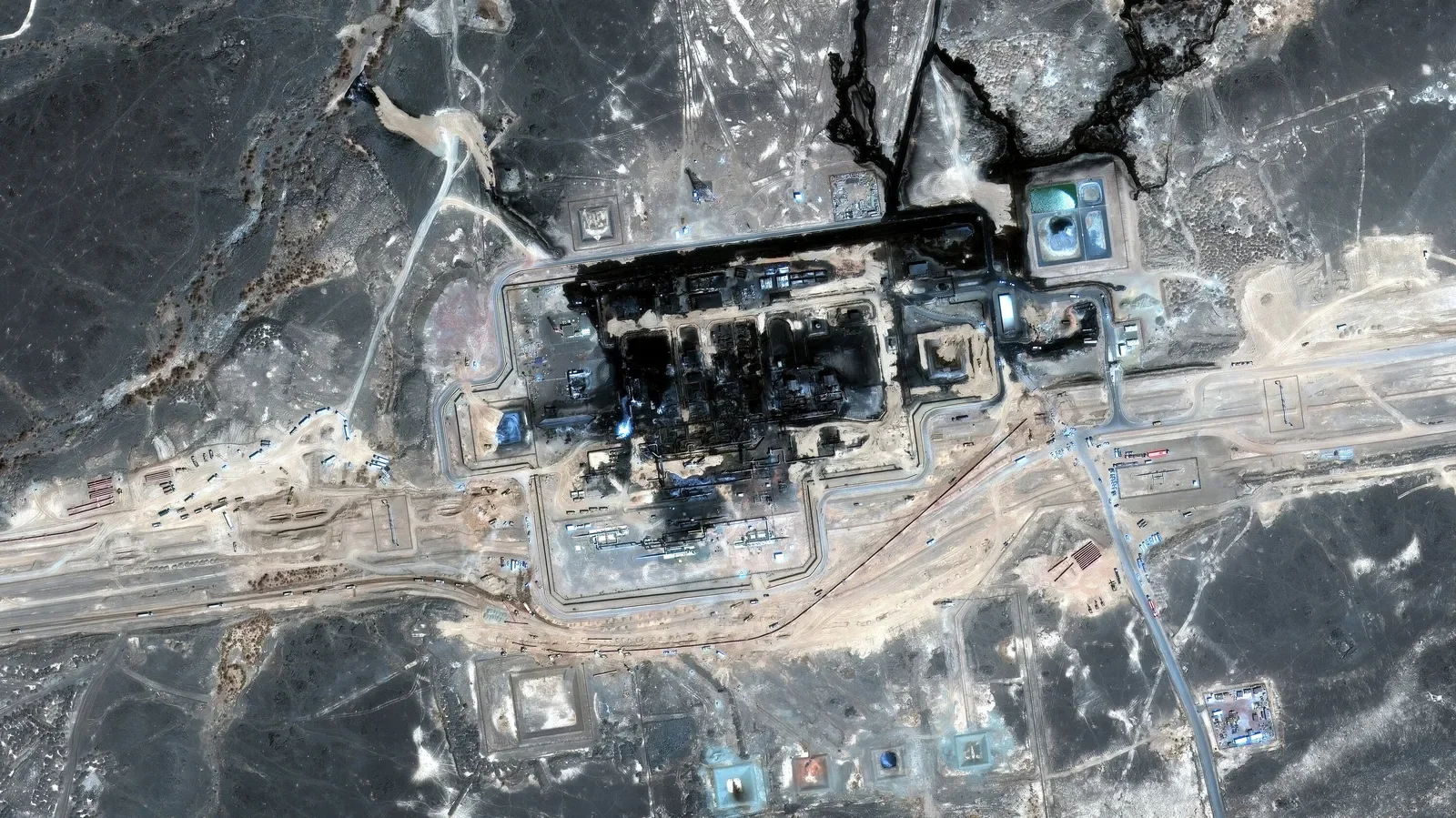
Global oil markets reacted sharply to a series of coordinated attacks targeting Saudi Arabian energy infrastructure, pushing Brent crude prices above the $108 per barrel mark. The most significant disruption came from drone and missile attacks attributed to Yemen's Houthi rebels, which forced Saudi Arabia to temporarily shut down its crucial East-West pipeline. This pipeline is the kingdom's sole conduit for oil exports around the blockaded Strait of Hormuz, meaning its closure directly threatens a significant portion of global oil supply.
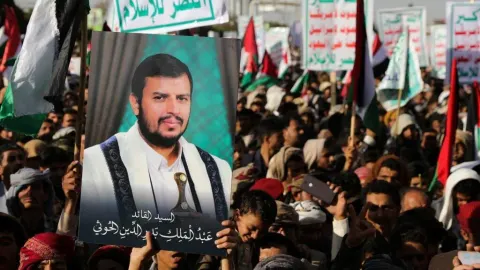
The Houthis have framed these attacks as retaliation for extensive Saudi airstrikes on Yemen. The intensification of the conflict in Yemen, coupled with the direct targeting of Saudi economic arteries, has ignited fears of a wider regional conflagration. This has led Gulf states to postpone crucial talks with Iran concerning maritime security in the Strait of Hormuz, indicating a breakdown in diplomatic efforts and a hardening of positions. The economic fallout is immediate: higher energy costs for consumers worldwide, increased inflationary pressures, and a significant boost in geopolitical risk premiums for oil futures.
Gulf States Postpone Hormuz Talks Amidst Escalating Yemen Conflict
Diplomatic efforts to ensure the smooth passage of vessels through the Strait of Hormuz have hit a significant roadblock, with Gulf states announcing the postponement of planned meetings with Iran. This decision comes amid escalating tensions in Yemen and growing anger in Saudi Arabia towards Tehran, which is accused of supporting the Houthi rebels' advances and their increasingly disruptive attacks. The impasse highlights the complex web of regional rivalries and proxy conflicts that continue to destabilize the Middle East.
The postponement is directly linked to the recent barrage of missile and drone attacks by Houthi forces on Saudi military targets, including the King Khalid airbase. The Houthis claim these actions are a response to prolonged Saudi airstrikes within Yemen. This cycle of retaliatory violence has created an environment where constructive dialogue on maritime security is exceedingly difficult. The failure to convene these talks leaves the future of the vital Strait of Hormuz, through which a significant percentage of global oil passes, in a state of heightened uncertainty, potentially leading to further price volatility and supply chain disruptions.

US Environmental Policy Shift Amidst Political Uncertainty
In the United States, the Environmental Protection Agency (EPA) is reportedly preparing to roll back existing power-plant pollution limits, signaling a significant shift in environmental policy under the current administration. This move, if finalized, would repeal a federal finding that greenhouse gas emissions from power plants pose a direct threat to public health and welfare. Such a decision could have profound implications for the nation's efforts to combat climate change and meet its emissions reduction targets.
The political backdrop to this potential policy change is complex. While the EPA moves to loosen environmental regulations, discussions continue regarding potential economic stimulus packages, such as a proposed $5,000 payment to all adult citizens if the Republican party wins upcoming elections. However, the feasibility of such a plan, which would cost over a trillion dollars, hinges on Congressional approval, highlighting the ongoing legislative debates and fiscal considerations shaping domestic policy. This juxtaposition of environmental deregulation and ambitious, costly fiscal proposals underscores the dynamic and often contradictory nature of current U.S. political discourse.

Frequently Asked Questions
What are the main reasons for the surge in oil prices?
Why have Gulf states postponed talks with Iran about the Strait of Hormuz?
What is the significance of the East-West pipeline shutdown?
What policy changes are being considered by the US EPA?
How has the Iranian currency and gold market performed in the last 24 hours?
The Strait of Hormuz: A Global Oil Chokepoint
The Strait of Hormuz is a narrow, strategically vital waterway connecting the Persian Gulf to the Arabian Sea and the Gulf of Oman. At its narrowest point, it is only about 21 nautical miles (39 kilometers) wide, with shipping lanes just two miles wide in each direction. Despite its modest size, it stands as the world's most important oil transit chokepoint, a geographical bottleneck through which a significant portion of the globe's seaborne oil supply must pass.
This crucial maritime artery is indispensable for major oil-producing nations bordering the Persian Gulf, including Saudi Arabia, Iran, the United Arab Emirates, Kuwait, Iraq, and Qatar. These countries rely almost exclusively on the Strait to export their vast crude oil and liquefied natural gas (LNG) reserves to global markets, primarily in Asia, Europe, and North America. Estimates suggest that over 20% of the world's total petroleum liquids consumption, or roughly 20 million barrels per day, transits through the Strait of Hormuz, making its security paramount for global energy stability.
The Strait's immense strategic importance means that any perceived threat to its navigability or security immediately sends ripples through international energy markets. Regional geopolitical tensions, such as those between Iran and Saudi Arabia, or attacks by groups like the Houthis on shipping in the broader region, can escalate anxieties about potential supply disruptions. This uncertainty often leads to a "geopolitical risk premium" being added to oil prices, as traders factor in the increased likelihood of supply interruptions or higher shipping costs due to heightened security measures or insurance premiums.
Historically, the Strait has been a flashpoint for international incidents, underscoring its vulnerability. Any blockage or significant disruption to traffic through this chokepoint would have catastrophic consequences for the global economy, leading to severe oil shortages and massive price spikes. Therefore, understanding the Strait of Hormuz and its role as an oil chokepoint is fundamental to grasping the dynamics of global energy markets and the impact of Middle Eastern geopolitics on the world stage.