
Iran Rights Body Condemns Lebanon Strikes as Araghchi Clarifies Hormuz Status; Toman Gains Amid Regional Tensions
محکومیت حملات لبنان توسط ستاد حقوق بشر و شفافسازی عراقچی درباره تنگه هرمز؛ عقبنشینی دلار و طلا در بازار تهران
Iran's High Council for Human Rights has called for global action against Israeli strikes in Lebanon, while Foreign Minister Araghchi clarified that diplomatic talks in Oman do not signal a change in the Strait of Hormuz's status. Meanwhile, the Toman saw a modest recovery as USD and Gold prices dipped by over 1%.
At time of publishing
USD
231,000
Toman
Gold 18K
23.52M
Toman / gram
Bitcoin
$77,088
US Dollar
Tether
229,223
Toman
Iran’s Rights Body Calls for End to Lebanon Atrocities
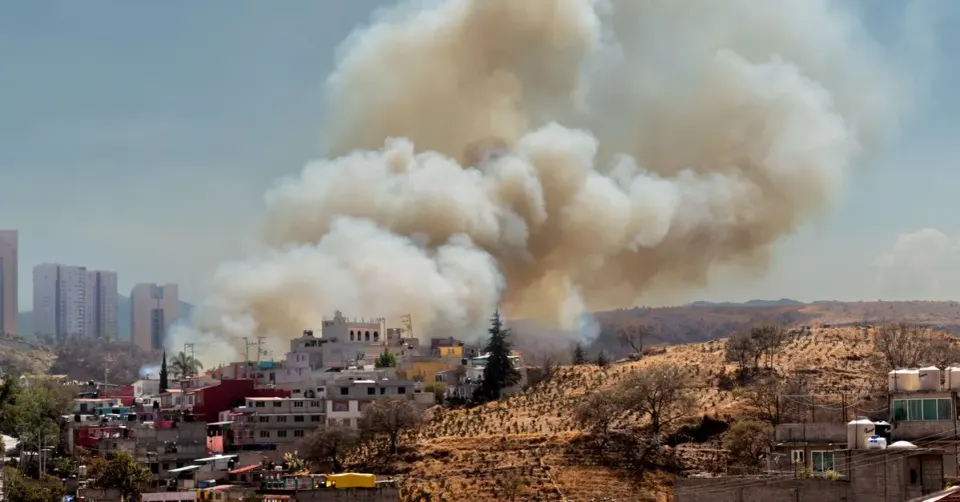
Iran’s High Council for Human Rights (HCHR) has issued a stern condemnation of the ongoing Israeli military operations in Lebanon, specifically targeting what it describes as the systematic shelling of residential areas. The council’s statement emphasizes that the international community’s silence has emboldened these actions, which Tehran views as a direct violation of international humanitarian law. This diplomatic push is part of a broader Iranian effort to mobilize regional and global sentiment against the escalation in Lebanon, which has seen a significant increase in civilian displacement and infrastructure damage over the past week.
For the average reader in Iran, this rhetoric serves as a barometer for regional stability. While the language is sharp, it also underscores a focus on diplomatic and legal channels rather than immediate military escalation. However, the shadow of the 'Long War' continues to influence market sentiment, as investors weigh the possibility of a wider conflict against the current efforts to contain the violence. The HCHR's appeal to the world to 'break its silence' is a clear signal that Tehran intends to keep the humanitarian cost of the conflict at the forefront of the UN and other international forums.
Araghchi Clarifies the 'Hormuz Understanding' with Oman
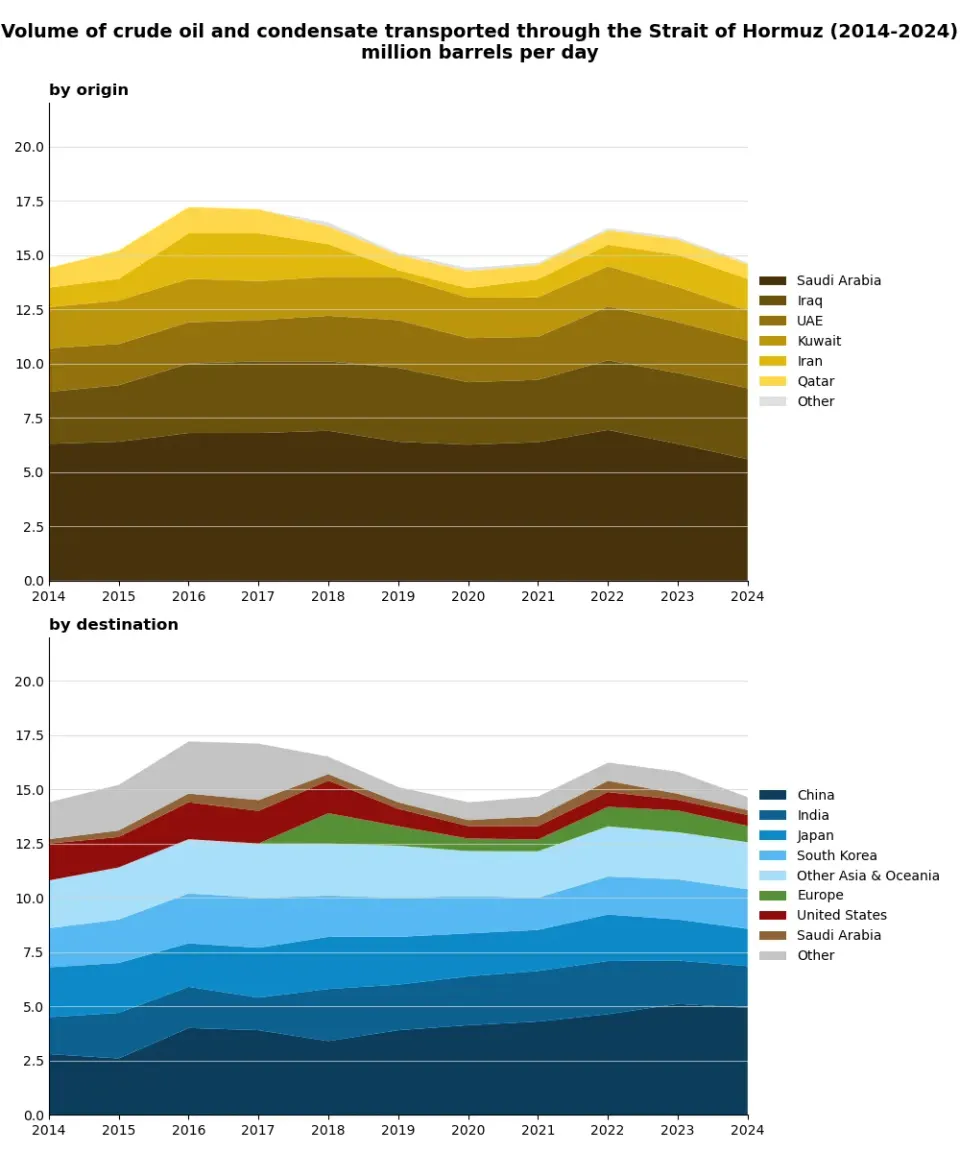
Foreign Minister Abbas Araghchi has moved to dampen speculation regarding the upcoming Muscat meeting, explicitly stating that any understanding reached with Oman does not equate to a 'reopening' or a change in the status quo of the Strait of Hormuz. This clarification comes after several days of market volatility driven by rumors that a major maritime deal was in the works. Araghchi’s comments suggest that while Oman remains a critical intermediary for de-escalation and security dialogue, the strategic leverage Iran holds over the world’s most vital oil chokepoint is not currently on the negotiating table.
This distinction is crucial for global energy markets and domestic currency traders alike. The Strait of Hormuz remains the ultimate 'red line' in regional geopolitics; by maintaining its current posture, Iran is signaling that its maritime sovereignty remains a primary tool of deterrence. For the Toman, this clarity provided a moment of relief. The removal of immediate uncertainty regarding a potential change in maritime policy helped stabilize the exchange rate, as traders moved away from the more extreme 'war risk' scenarios that had pushed the USD higher earlier in the week.
Trump’s $5,000 Dividend Pledge and Global Debt Concerns
In the United States, Donald Trump has doubled down on a controversial campaign promise to provide every American adult with a $5,000 'dividend' if Republicans secure control of Congress in the upcoming midterms. This proposal, estimated to cost over $1 trillion, has been met with significant skepticism from economists who point to the US national debt already surpassing the $40 trillion mark in August 2026. Critics argue that such a massive injection of liquidity could reignite inflationary pressures just as the Federal Reserve is attempting to manage a delicate economic landing.
For global markets, including those in Iran, this policy shift carries weight because of its impact on the US Dollar’s long-term value. A massive increase in US debt and money supply typically leads to a weaker dollar over time and higher prices for hard assets like gold. This explains why, despite the current local dip, international gold prices remain at historic highs near $4,349 per ounce. As the US midterm elections approach, the potential for radical fiscal shifts in Washington will continue to create 'noise' in the global financial system, influencing everything from Bitcoin’s volatility to the attractiveness of the Greenback as a reserve currency.
Toman Gains Ground as USD and Gold Prices Retreat
Domestic markets in Tehran saw a notable correction during Sunday's session, with the Toman regaining some of its lost ground. The sell rate for USD moved from 233,800 down to 231,000, representing a 1.2% decrease over the last 24 hours. This downward movement was mirrored in the gold market, where 18k gold fell from 23,858,442 to 23,523,708 Toman per gram, a 1.4% drop. The Emami gold coin also saw a reduction in its premium, falling 1.5% to settle at 236,000,000 Toman.
This cooling off in prices can be attributed to a lack of immediate escalatory news following the recent strikes and the clarifying statements from the Foreign Ministry. When the 'risk premium' associated with the Strait of Hormuz and direct regional confrontation decreases even slightly, the Toman tends to bounce back as speculative demand for hard currency eases. However, with Bitcoin holding strong above $77,000 and regional tensions remaining unresolved, the market remains in a 'wait-and-see' mode, with the 230,000 Toman level acting as a psychological support for the USD.
Frequently Asked Questions
Why did the USD and Gold prices drop in Iran today?
What is Trump's $5,000 dividend plan and how does it affect the market?
Is the Strait of Hormuz being reopened or changed?
The Complex Dance: Geopolitics, Sanctions, and Currency Fluctuations
Geopolitical events profoundly impact national currencies, and the reported gains of the Iranian Toman amid regional tensions offer a compelling case study into this intricate relationship. While stability often strengthens a currency and instability weakens it, the Toman's movement highlights how political developments, economic sanctions, and market sentiment intertwine in complex ways to shape an exchange rate, especially in economies with unique external pressures.
At its core, geopolitics introduces uncertainty. Regional conflicts, diplomatic statements concerning strategic waterways like the Strait of Hormuz, or shifts in international relations can trigger a flight to perceived safer assets, typically foreign currencies like the U.S. dollar. This increased demand for foreign currency usually depreciates the domestic currency. However, in economies facing extensive sanctions, the usual market dynamics are often distorted, leading to less predictable outcomes.
Economic sanctions significantly restrict a country's access to international trade and financial markets, limiting its ability to earn foreign currency and manage its reserves. This often leads to a dual exchange rate system – an official rate and a parallel (or black) market rate – and can necessitate strict capital controls. Such controls, while designed to prevent capital flight, can inadvertently trap domestic capital within the country, sometimes forcing it into local assets or even supporting the local currency in the short term, despite underlying economic vulnerabilities or external tensions.
The reported "Toman gains amid regional tensions" might seem counter-intuitive at first glance. This phenomenon could be attributed to a combination of factors unique to Iran's economic landscape. It might reflect specific government interventions to stabilize the currency, a temporary shift of capital from other volatile regional assets into domestic ones due to limited external options, or even short-term speculative movements influenced by policy announcements or market illiquidity. These dynamics underscore that currency movements are not always straightforward reactions to external events but are deeply influenced by a nation's specific economic policies and constraints.
Ultimately, a currency's value is a complex reflection of economic fundamentals, political stability, international relations, and market psychology. Understanding these multifaceted layers is crucial for interpreting seemingly contradictory movements in a globalized yet fragmented financial landscape, particularly when a nation operates under significant geopolitical and economic pressures.