Toman Gains as Pezeshkian Champions BRICS; US Congressman Survives Lake Crash Amid Global Volatility
تقویت تومان در سایه دیپلماسی بریکس؛ نجات معجزهآسای نماینده کنگره آمریکا از سقوط هواپیما
The Iranian Toman showed resilience today as USD prices dipped 1.4%, coinciding with President Pezeshkian's push for multilateralism at the BRICS summit in New Delhi. Meanwhile, a high-profile plane crash involving a US Congressman and a Russian strike near the Polish border have heightened global geopolitical anxieties.
At time of publishing
USD
230,500
Toman
Gold 18K
23.44M
Toman / gram
Bitcoin
$77,231
US Dollar
Tether
228,854
Toman
Miraculous Survival: US Congressman Swims to Safety After Lake Crash
In a dramatic turn of events that has captured international attention, U.S. Representative Tom Tiffany, a Republican from Wisconsin, narrowly escaped death after his light aircraft was forced to make an emergency landing in Lake Wausau. Returning from a political event known as the Lincoln Day Dinner, the aircraft reportedly lost power during its approach to the Wausau downtown airport. Both Tiffany and the pilot were forced into the frigid waters of the lake late Saturday night, eventually swimming to safety in a feat of survival that underscored the physical risks often hidden behind the high-stakes world of political campaigning.
While the incident appears to be a mechanical failure rather than anything more nefarious, the timing adds to a sense of pervasive instability within the American political landscape. For Iranian observers and global markets, any disruption involving high-ranking U.S. officials is scrutinized for potential shifts in legislative focus or domestic stability. As the U.S. moves deeper into a volatile election cycle, such incidents contribute to a 'risk-off' sentiment where investors become wary of sudden leadership vacuums or shifts in the American administrative apparatus that could impact foreign policy and sanctions enforcement.

Pezeshkian in New Delhi: The BRICS Shield Against Unilateralism
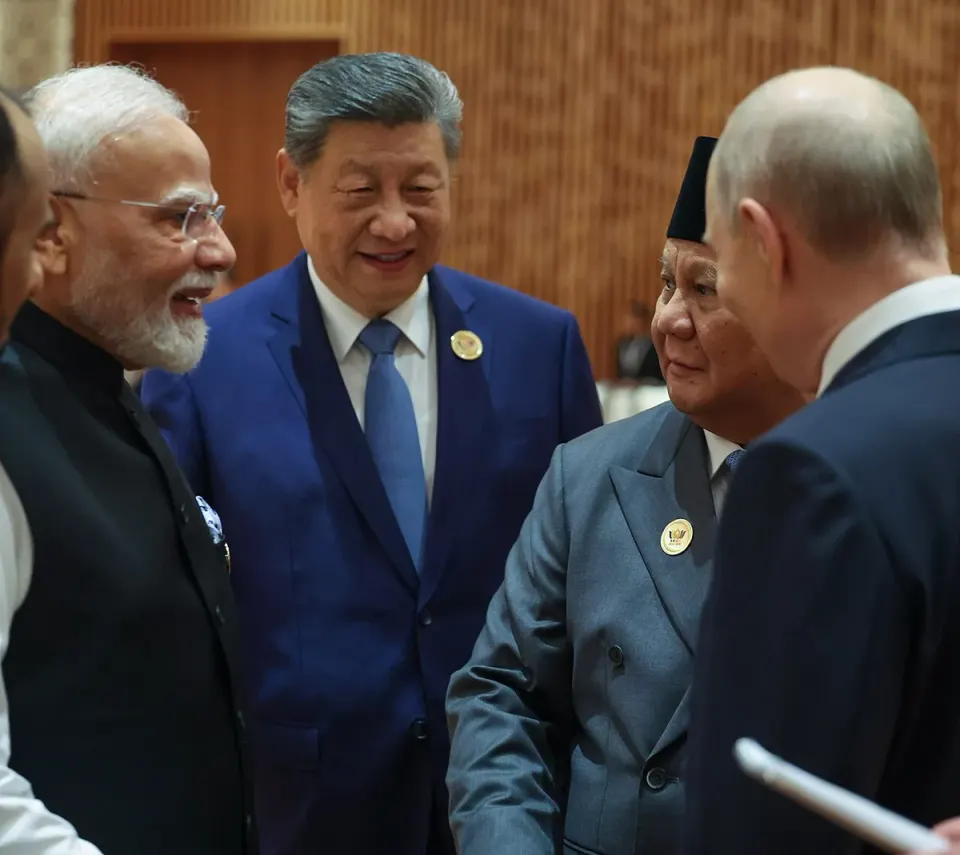
President Masoud Pezeshkian has utilized the final day of the 18th BRICS Leaders’ Summit in New Delhi to advocate for a radical shift in the global financial order. Addressing leaders from across four continents, Pezeshkian emphasized that the expansion of the BRICS bloc—which now includes 11 nations—is the primary vehicle for ending the 'unilateralism' of the United States. By fostering direct trade links and exploring alternative payment systems, the Iranian administration hopes to bypass the traditional SWIFT network and the crushing weight of Western-led sanctions that have hamstrung the domestic economy for years.
This diplomatic push is not merely rhetorical; it has direct implications for the Iranian market. The President's focus on multilateralism and expanded trade with giants like India and China provides a psychological floor for the Toman. When the Iranian public sees the government securing high-level agreements within a bloc that represents nearly half of the world's population, it reduces the immediate 'panic buying' of hard currency. However, the effectiveness of these summits remains a point of contention, as the technical challenges of creating a unified BRICS currency or clearinghouse remain immense, leaving Iran to rely on bilateral bartering and crypto-settlements in the interim.
Toman Strength and the Rise of Political Crypto-Power
Domestic markets in Iran reflected a rare moment of calm and appreciation for the local currency this Sunday. The USD/IRR exchange rate moved from 233,800 to 230,500, representing a 1.4% decrease in the price of the dollar. This trend was mirrored in the gold markets, where 18k gold per gram dropped from 23,858,442 to 23,442,910 Toman (-1.7%), and the Emami coin fell from 239,500,000 to 236,000,000 Toman (-1.5%). This cooling of prices suggests that the recent geopolitical 'war premium' is being priced out, or perhaps that the Central Bank has successfully intervened to stabilize the rate during the President's high-profile trip to India.
---
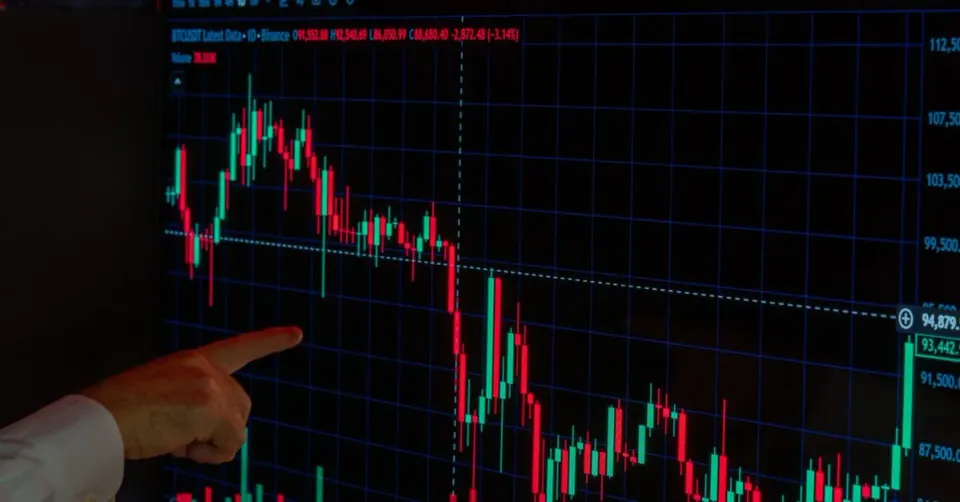
Beyond Iran's borders, the intersection of finance and politics took a digital turn as the UK's Reform party announced a staggering £72 million in donations from crypto-billionaires. This massive influx of capital into a populist movement highlights the growing influence of digital assets in shaping Western political outcomes. As crypto-wealth begins to fund political machines in the UK and US, the regulatory environment for assets like Bitcoin—currently trading at $77,231—becomes increasingly complex. For Iranian investors, this signifies that crypto is no longer just a hedge against local inflation, but a central pillar of global political power that may eventually dictate how international sanctions are drafted or bypassed in the coming years.
Geopolitical Flashpoints: From the Polish Border to the Irish Coast
The security situation in Europe remains on a knife-edge following reports that Russia struck a Ukrainian locomotive near the Polish border, just moments after former UK Prime Minister Boris Johnson and other European dignitaries had passed through the area. Johnson condemned the strike as 'warped logic' from the Kremlin, but the proximity of the attack to NATO territory serves as a stark reminder of how easily the conflict could spill over into a broader regional war. Such escalations keep global energy markets on high alert, as any threat to the Polish border is a threat to the primary transit routes for aid and energy infrastructure in Eastern Europe.
Simultaneously, Donald Trump has stirred the diplomatic pot during his visit to the Irish Open, doubling down on his controversial support for a 'United Ireland.' These comments, while perhaps aimed at his domestic voter base, create friction between the US and its traditional European allies, particularly the UK government. For the global observer, these disparate events—missile strikes in the East and diplomatic disruptions in the West—create a fragmented world where traditional alliances are being tested. This fragmentation is precisely what blocs like BRICS aim to exploit, positioning themselves as a stable alternative to a Western order that appears increasingly prone to internal discord and sudden security breaches.
Frequently Asked Questions
Why did the price of USD drop in Iran today?
What was the outcome of President Pezeshkian's visit to India?
Is the US Congressman who crashed his plane safe?
Understanding De-dollarization: A Global Shift in Financial Power
De-dollarization refers to the process by which countries and international organizations reduce their reliance on the U.S. dollar for international trade, financial transactions, and as a reserve currency. For decades, the dollar has held a dominant position in the global financial system, serving as the primary currency for invoicing trade, denominating debt, and holding foreign exchange reserves. This dominance grants the U.S. significant economic and geopolitical influence, allowing it to exert pressure through financial channels.
The push for de-dollarization is often driven by several factors. Countries may seek to mitigate their exposure to U.S. monetary policy decisions, which can have ripple effects globally. Geopolitical tensions and the use of financial sanctions by the U.S. also motivate some nations to explore alternatives to reduce their vulnerability. Furthermore, promoting the use of domestic currencies in bilateral trade can enhance a country's financial sovereignty and potentially stabilize its exchange rate, as suggested by the "Toman Gains" in the headline context.
Mechanisms for de-dollarization include increasing bilateral trade settlements in local currencies, expanding currency swap agreements between central banks, and diversifying foreign exchange reserves away from the dollar into other major currencies, gold, or Special Drawing Rights (SDRs). Alliances like BRICS (Brazil, Russia, India, China, South Africa, and recently expanded members like Iran) actively champion these efforts, aiming to create a more multipolar global financial system where the dollar's hegemony is challenged. The increased use of non-dollar currencies in trade among BRICS members, for instance, is a tangible step in this direction.
Topics
Related Articles