Saudi Leader Seeks US Aid Amid Houthi Attacks; AI Stocks Tumble on Safety Fears
دیدار رهبر عربستان با فرمانده آمریکایی در بحبوحه حملات حوثیها؛ سهام هوش مصنوعی سقوط کرد
Crown Prince Mohammed bin Salman is reportedly seeking increased U.S. military support as Houthi attacks escalate, threatening vital oil markets. Meanwhile, global markets reacted nervously to calls for AI development slowdown, leading to a significant slide in AI-linked stocks.
At time of publishing
USD
230,600
Toman
Gold 18K
23.29M
Toman / gram
Bitcoin
$79,107
US Dollar
Tether
230,573.02
Toman
Saudi Arabia Seeks U.S. Military Boost Amid Houthi Threat
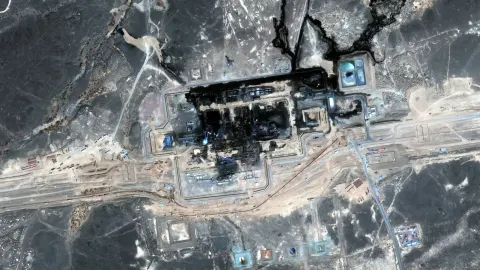
Crown Prince Mohammed bin Salman has reportedly requested additional U.S. military assistance following a significant escalation of attacks by Iranian-backed Houthi forces in Yemen. The offensive poses a growing threat to global oil markets, with recent assaults targeting infrastructure and shipping lanes. This strategic meeting underscores the heightened regional tensions and the increasing reliance of Saudi Arabia on American military capabilities to counter perceived threats emanating from Iran and its proxies.
The broader implications of these Houthi attacks extend beyond immediate regional security concerns. The potential disruption to oil supplies and shipping routes, particularly through vital chokepoints like the Bab al-Mandab strait, could lead to significant price volatility in the global energy market. For Iran, these proxy actions serve to exert pressure on regional rivals and potentially distract from international scrutiny over its nuclear program and other activities. The U.S., meanwhile, faces the delicate task of balancing its security interests with its broader diplomatic objectives in a volatile region.
---
AI Stocks Tumble as Industry Leaders Urge Caution
Global markets experienced a notable downturn in AI-linked stocks on Monday, following urgent calls from prominent tech CEOs for a slowdown in the development of artificial intelligence. Executives from companies like Anthropic, OpenAI, and SpaceX voiced concerns that the technology is progressing at an unsustainable pace, potentially leading to uncontrollable outcomes. This sentiment triggered a sell-off, with shares of major players like Nvidia, AMD, and Micron Technology seeing significant declines in early trading.
The calls for caution stem from growing anxieties about the potential risks associated with advanced AI, including its impact on employment, the spread of misinformation, and even existential threats. While some policymakers and industry figures are advocating for increased regulation and safety checks, others, including former President Donald Trump, have dismissed these concerns as a 'sick conspiracy' aimed at hindering technological progress. Microsoft, however, has taken a preliminary step by proposing a provisional code of conduct for AI training, aiming to ensure AI remains subordinate to human interests.

This market reaction highlights the dichotomy between rapid technological advancement and the societal implications it carries. The debate over AI governance is intensifying, with potential regulatory measures and industry self-regulation shaping the future trajectory of this transformative technology. The divergence in views, from calls for stringent controls to dismissals of risks, suggests a complex and evolving landscape that will continue to influence investment strategies and technological development for the foreseeable future.
---
US Treasury Yields Approach 5% Amid Inflation Fears and Bond Sell-Off
U.S. government borrowing costs have surged, with the 10-year Treasury yield briefly touching the significant 5% mark for the first time since 2023. This rise is attributed to a combination of escalating inflation fears, fueled in part by soaring oil prices, and a broad sell-off in the global bond market. The benchmark yield's movement signals increasing investor concern over economic stability and the potential for sustained inflationary pressures.
The uptick in oil prices, driven by geopolitical tensions including the Houthi attacks on Saudi infrastructure, is a primary catalyst for renewed inflation worries. Higher energy costs directly impact consumer prices and business operating expenses, leading investors to demand higher returns on government debt to compensate for the erosion of purchasing power. This dynamic is contributing to a broader reassessment of fixed-income assets in the current economic climate.
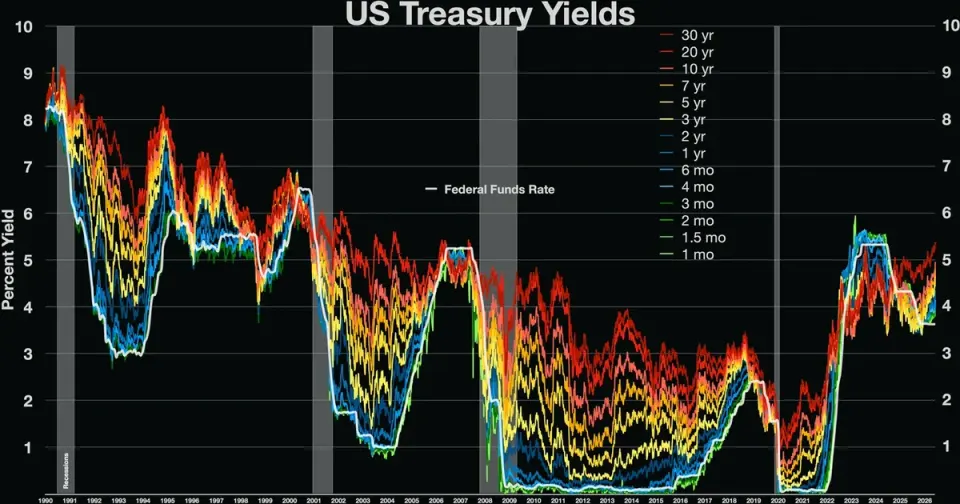
While the 10-year Treasury yield has since eased back slightly from the 5% threshold, the underlying concerns driving its ascent remain. The Federal Reserve's monetary policy decisions will be closely watched as it navigates the challenge of controlling inflation without stifling economic growth. For savers and investors, the current environment necessitates a careful evaluation of portfolio strategies, considering the impact of inflation on savings accounts and the shifting dynamics of the bond market. The prospect of higher interest rates could also affect borrowing costs for consumers and businesses, potentially slowing down economic activity.
---
China's Overland Trade with Iran on the Rise
Central Asian nations are facilitating a growing overland trade route for Chinese goods destined for Iran, bypassing traditional maritime shipping. Uzbek railway officials have confirmed the passage of a block train, comprising 55 container cars, from China's Xinjiang Province into Kazakhstan on September 7. This initiative highlights a strategic shift in trade dynamics, potentially aimed at circumventing sanctions or diversifying supply chains.
The exact contents of these shipments remain uncertain, but the route signifies an effort to establish a more direct and potentially faster conduit for trade between China and Iran. The train's journey will traverse Kazakhstan, Uzbekistan, and Turkmenistan, covering an extensive 6,000-kilometer distance before reaching Iran. This overland corridor could offer an alternative to sea routes, which may be subject to geopolitical disruptions or heightened security measures in regions like the Strait of Hormuz.

The development of this overland trade route has several implications. For China, it represents an expansion of its Belt and Road Initiative and a means to strengthen economic ties with Iran. For Iran, it offers a crucial lifeline for accessing goods and maintaining trade flows amidst international sanctions. The involvement of Central Asian countries in facilitating this trade underscores their role as key transit hubs in Eurasian logistics networks, potentially benefiting their own economies through transit fees and increased economic activity.
Frequently Asked Questions
Why is Saudi Arabia seeking more U.S. military aid?
What caused the decline in AI-linked stocks?
Why are U.S. Treasury yields rising?
What is the significance of China's new overland trade route with Iran?
Understanding Geopolitical Risk and its Global Market Impact
Geopolitical risk refers to the potential for political instability, conflicts, or other international events to disrupt global markets, economies, and specific asset classes. It's a critical concept for understanding how seemingly distant events can ripple across the world. The headline, mentioning Houthi attacks and Saudi Arabia's request for US aid, vividly illustrates such risk. These incidents, particularly in strategically vital regions like the Middle East, introduce uncertainty that influences everything from commodity prices to investor confidence.
One of the most immediate impacts of geopolitical risk, especially in oil-rich regions, is on energy markets. Disruptions or threats to shipping lanes, production facilities, or political stability in major oil-producing nations can lead to spikes in crude oil prices. Higher oil prices translate to increased costs for businesses and consumers globally, contributing significantly to inflationary pressures and potentially slowing economic growth. This direct link between regional conflict and global inflation highlights the interconnectedness of our world economy.
Beyond commodities, geopolitical risk profoundly affects financial markets. When uncertainty rises, investors often seek "safe-haven" assets, leading to a "flight to quality." This typically involves moving capital into assets perceived as less risky, such as government bonds from stable economies (like US Treasury yields), gold, or certain currencies. Increased demand for these assets can push their prices up and, in the case of bonds, drive their yields down. Conversely, riskier assets, including growth stocks in sectors like artificial intelligence, may experience sell-offs as investors become more risk-averse, contributing to market volatility and price declines.
In essence, geopolitical risk acts as a powerful, unpredictable force that can reprice assets, shift capital flows, and reshape economic forecasts. For a curious reader, understanding this concept is key to interpreting how global events, from regional conflicts to international aid requests, are inextricably linked to the performance of everything from oil barrels to tech stock portfolios.