Brent Crude Surges Past $100 Amid Hormuz Crisis; Toman Hits 231k as Bitcoin Nears $80k 'Bull Trap'
نفت برنت از مرز ۱۰۰ دلار گذشت؛ صعود دلار به ۲۳۱ هزار تومان و هشدار «تله گاوی» در بیتکوین ۸۰ هزار دلاری
Global energy markets are reeling as Brent crude breaks the $100 barrier due to intensifying disruptions in the Strait of Hormuz. Meanwhile, the Iranian Toman has depreciated to 231,200 per USD, and crypto analysts warn that Bitcoin’s approach to $80,000 may be a deceptive bull trap.
At time of publishing
USD
231,200
Toman
Gold 18K
23.29M
Toman / gram
Bitcoin
$79,162
US Dollar
Tether
229,666
Toman
The $100 Oil Reality: Hormuz Disruption and Market Panic
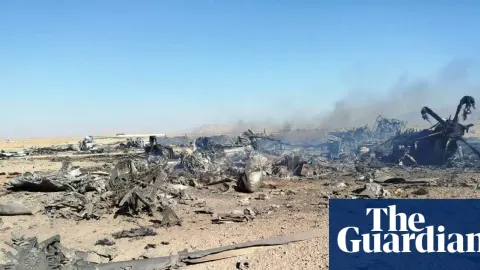
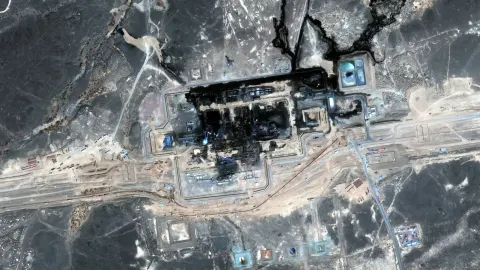
Global energy markets have entered a period of extreme volatility as Brent crude officially surged past the $100 per barrel mark. The primary driver remains the escalating crisis in the Strait of Hormuz, where shipping disruptions have forced a massive risk premium onto every barrel of oil leaving the Persian Gulf. While Iranian officials at the United Nations claim that any assessment of the crisis is incomplete without addressing "U.S. and Israeli aggression," the markets are reacting to the cold reality of physical supply constraints. The Bab el-Mandeb Strait is similarly under pressure, leaving Saudi Arabia and other regional producers struggling to find secure alternative routes for their exports.
For the Iranian economy, this surge in oil prices is a double-edged sword that currently offers more pain than gain. Despite the theoretical increase in revenue, the domestic currency is in freefall due to heightened geopolitical risk and the threat of expanded sanctions. The USD sell rate moved from 229,200 to 231,200 Toman (+0.9%) in the last 24 hours alone. This depreciation reflects a lack of confidence among local traders who fear that the regional conflict is entering a more direct and damaging phase, outweighing any potential windfall from expensive oil that the government struggles to sell through official channels.
Trump’s Energy Claims and the Global Refining Shift
U.S. President Donald Trump has injected further uncertainty into the mix by claiming that Ukraine and Russia have reached a tacit agreement to stop targeting each other’s energy infrastructure. Trump has pivoted his rhetoric to blame the ongoing conflict—rather than tensions with Iran—for the recent spike in diesel and gasoline prices across the United States. This move is seen by analysts as an attempt to de-escalate domestic political pressure while maintaining a hardline stance on other fronts. However, market participants remain skeptical of such a truce, especially as regional proxy conflicts continue to threaten global supply chains.
While the superpowers bicker over energy security, new players are emerging to fill the void in the refining sector. Aliko Dangote has launched Africa’s largest IPO, valuing his Nigerian oil refinery at a staggering $47 billion. The refinery, which processes 700,000 barrels a day, is already capitalizing on the Middle East crisis by supplying jet fuel to European and African markets that previously relied on Gulf exports. This shift highlights a broader trend: as traditional energy hubs become too risky, the global economy is rapidly financing alternatives in more stable—or at least different—geographies to mitigate the impact of a total Hormuz shutdown.
Bitcoin’s $80k Resistance and the Battle for AI Sovereignty
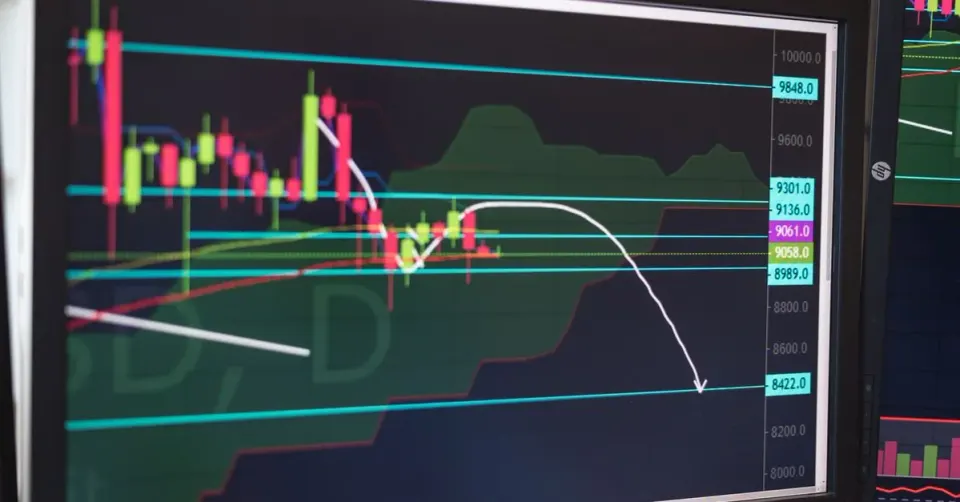
In the financial markets, Bitcoin is teasing the psychological $80,000 barrier, but experts are waving red flags. Despite the price sitting at $79,162, technical indicators like the Average Directional Index (ADX) suggest that the current momentum is weakening. This has led to warnings of a "bull trap," where retail investors are lured in by the headline-grabbing price only for a sharp correction to follow. The crypto market is currently caught between Trump’s pro-crypto rhetoric and the reality of high interest rates, which the Federal Reserve may keep elevated longer than expected to combat the inflationary pressure of $100 oil.
At the same time, a new front is opening in the geopolitical struggle for technological dominance. ECB President Christine Lagarde has warned that Europe must build its own AI infrastructure or risk being "cut off" or exploited by the U.S. and China. Lagarde’s call for digital sovereignty mirrors the energy crisis: just as nations are scrambling for oil security, they are now realizing that dependence on foreign AI models and data centers is a strategic liability. For countries like Iran, currently sidelined from these global tech developments, the widening gap between the "AI-haves" and "AI-have-nots" represents a long-term economic threat that could be even more damaging than currency fluctuations.

Frequently Asked Questions
چرا با وجود احتمال پایان جنگ، قیمت نفت بالای ۱۰۰ دلار مانده است؟
منظور از «تله گاوی» در قیمت بیتکوین چیست؟
افزایش قیمت نفت چه تأثیری بر قیمت دلار در ایران دارد؟
The Strait of Hormuz: Global Oil's Critical Chokepoint
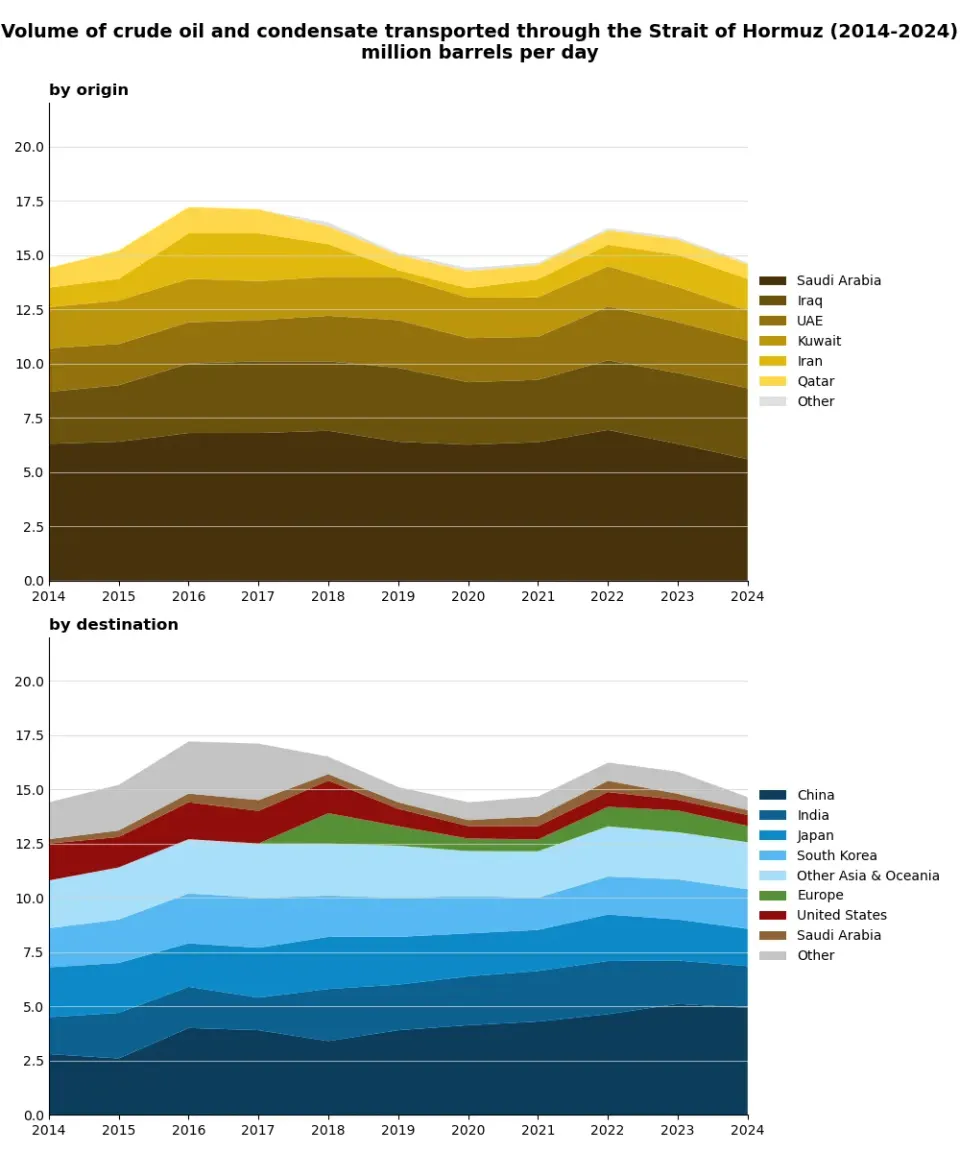
The Strait of Hormuz is far more than just a narrow waterway; it is arguably the most strategically important maritime chokepoint for global oil supply. Connecting the Persian Gulf to the Arabian Sea and beyond, this 21-mile wide passage is the sole sea route for a significant portion of the world's crude oil and liquefied natural gas (LNG) exports. Tankers carrying oil from major producers like Saudi Arabia, Iran, UAE, Kuwait, and Iraq must navigate its waters to reach international markets, making it indispensable for global energy security.
Its immense importance means that any political instability or military tension in the region immediately sends ripples through global energy markets. Threats to disrupt shipping through the Strait, whether real or perceived, can trigger sharp increases in oil prices, as seen with Brent Crude surging past $100 in the headline. This is because market participants anticipate potential supply disruptions, leading to speculative buying and a risk premium being factored into prices. The fear isn't just about actual blockades but also increased shipping costs due to higher insurance premiums or rerouting.
For countries heavily reliant on oil imports, such as many in Asia and Europe, the Strait of Hormuz represents a fundamental vulnerability. A prolonged disruption could cripple economies, cause widespread energy shortages, and potentially spark international conflicts. Consequently, major global powers closely monitor the situation in the Strait, often maintaining a naval presence to ensure the free flow of commerce. Understanding the Strait of Hormuz's role is key to grasping the intricate link between geopolitics, energy markets, and global economic stability.