Red Sea Tensions Escalate as Saudi Arabia Seeks Regional Backing; Bitcoin Dips Below $76,400
تنشها در دریای سرخ با حمایت منطقهای عربستان سعودی تشدید شد؛ بیتکوین به زیر ۷۶,۴۰۰ دلار سقوط کرد
Saudi Arabia and Egypt are coordinating efforts to secure vital Red Sea oil routes amidst escalating Houthi attacks, a move with significant implications for global energy markets and regional stability. Concurrently, Bitcoin has broken a key support level, signaling bearish momentum, while Canada seeks closer ties with Europe to counter emerging U.S. trade policies. These developments highlight a period of heightened geopolitical and market volatility across the globe.
At time of publishing
USD
231,200
Toman
Gold 18K
23.25M
Toman / gram
Bitcoin
$75,939
US Dollar
Tether
230,648
Toman
Saudi Arabia Seeks Regional Backing Amidst Red Sea Oil Route Threats
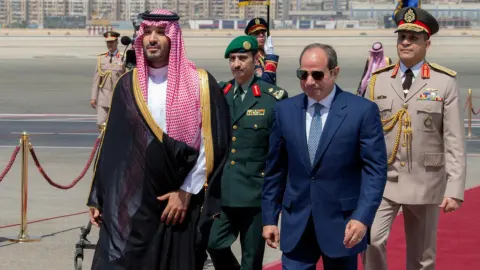
Saudi Crown Prince Mohammed bin Salman and Egyptian President Abdel Fattah al-Sisi convened in Cairo on Tuesday, issuing a joint call for free and secure navigation in the Red Sea. This high-level meeting underscores growing regional alarm over persistent attacks by Yemen's Iran-backed Houthi group on shipping, particularly concerning the critical Bab al-Mandab Strait. Saudi Arabia has vowed a "firm" response to these aggressions, signaling a potential escalation in efforts to safeguard one of the world's most vital maritime chokepoints.
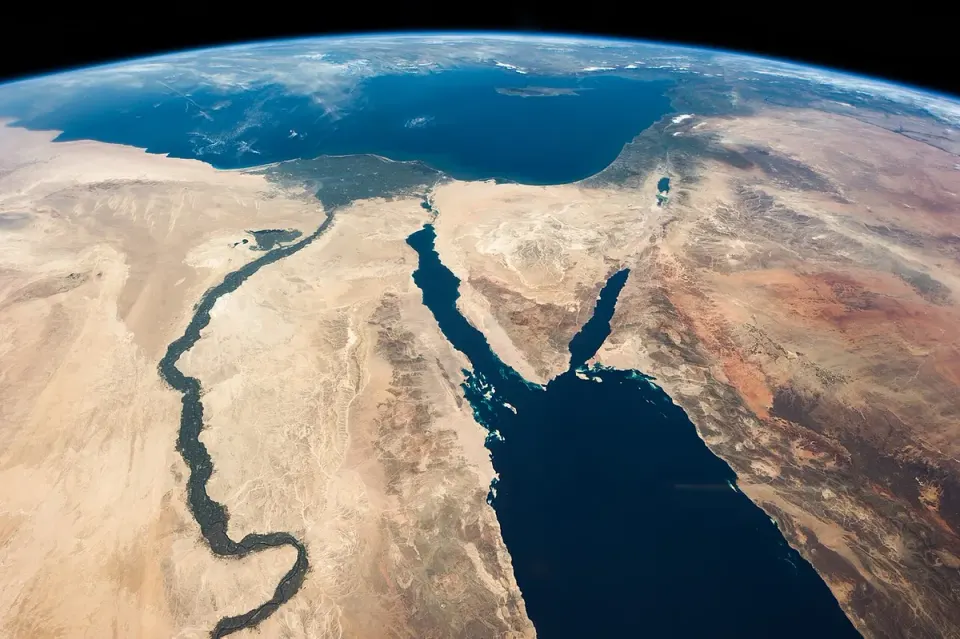
The discussions in Cairo highlight a concerted effort by key regional powers to address a shared threat. The Houthis' control or influence over parts of the Yemeni coastline bordering the Bab al-Mandab Strait grants them strategic leverage over a passage through which a significant portion of global oil and trade flows. The Saudi and Egyptian collaboration aims to create a unified front against these disruptions, which have already impacted shipping schedules, increased insurance costs, and raised concerns about global energy supply chains. This diplomatic push is a direct response to the economic and security implications of continued instability.
For Iranian readers, the escalating tensions in the Red Sea, while not directly involving Tehran in the Saudi-Egyptian coordination, have palpable indirect effects. Increased regional friction can lead to higher global oil prices, impacting Iran's own crude exports and overall economic outlook. Furthermore, disruptions to international shipping lanes can affect trade routes and commodity prices, potentially influencing domestic currency expectations and market confidence. The broader geopolitical ripple effects of such a critical maritime flashpoint are a significant factor for regional stability and economic calculations.
Bitcoin Breaks Key Support Level, Signals Bearish Momentum
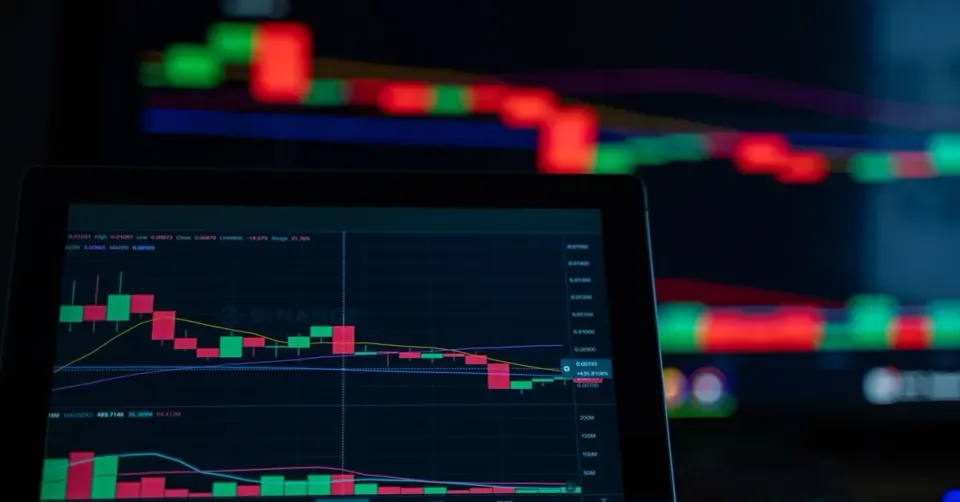
Bitcoin, the world's largest cryptocurrency, has experienced a notable downturn, breaking its crucial $76,400 support level and indicating a shift towards bearish momentum. This movement is a significant technical signal for traders and investors, suggesting that the immediate upward trend has been interrupted and further price declines could be on the horizon. The cryptocurrency market, known for its volatility, often reacts sharply to such breaches of key technical thresholds.
This latest price action reflects a combination of market sentiment and technical trading dynamics. While no single catalyst for this specific dip was immediately identified, broader market conditions, investor risk appetite, and even concurrent regulatory news (such as the failure of the U.S. Clarity Act in the Senate, though not directly linked) can contribute to a general bearish outlook. Traders often view the breach of a support level as a sign that selling pressure is outweighing buying interest, potentially leading to a cascade of further sell-offs as stop-loss orders are triggered.
For investors in Iran, where cryptocurrencies like Bitcoin and USDT are often used as hedges against inflation or as a means of accessing international markets, such bearish movements are critical. A drop in Bitcoin's value directly impacts the Toman equivalent of their holdings and can influence investment strategies. The overall health of the crypto market also affects the perceived stability of digital assets, prompting a re-evaluation of risk exposures and potentially shifting capital towards or away from other assets like gold or fiat currencies. The Emami coin also saw a decline of -1.1% to 231,500,000 Toman, and Gold 18k/gram dipped -0.2% to 23,246,687 Toman, reflecting a broader cautious sentiment in commodity markets, while the USD/IRR exchange rate remained stable at 231,200 Toman (+0.0%).
Canada Seeks Closer Europe Ties to Counter Hostile US Trade Policies
Canadian Prime Minister Mark Carney is embarking on a diplomatic mission to Europe, aiming to forge deeper ties with the European Union. This strategic pivot includes discussions on granting Canadians greater freedom to work and study within the EU, signaling a move to diversify Canada's international relationships. The initiative is explicitly framed as a response to an ongoing "trade war" with U.S. President Donald Trump, highlighting a significant shift in Canada's foreign policy priorities.
This diplomatic outreach is a direct consequence of the protectionist stance adopted by the current U.S. administration, which has strained traditional alliances and ignited trade disputes. By strengthening its relationship with the EU, Canada seeks to reduce its economic dependence on the United States and open new avenues for trade, investment, and cultural exchange. This move reflects a broader trend among U.S. allies to navigate a more unpredictable global landscape by diversifying partnerships and building resilience against unilateral policy shifts.
Such a realignment by a major global economy like Canada carries broader implications for international trade and geopolitical alliances. For countries like Iran, it illustrates how nations are adapting to a changing world order where traditional blocs may be fragmenting. While not directly impacting Iranian markets, shifts in global trade patterns and the formation of new economic partnerships can indirectly influence commodity demand, supply chains, and overall global economic stability, which in turn affects market sentiment and economic planning worldwide.

Trump's Tirade Against Supreme Court After Mail-In Voting Blocked
President Donald Trump has launched a scathing attack on the Supreme Court, accusing the justices of having "really let our country down" after they blocked an executive order aimed at restricting mail-in voting. This public tirade underscores the deepening rift between the executive and judicial branches in the United States, a dynamic that has become a hallmark of the current administration. Attorney general Blanche subsequently defended the president's right to voice his concerns, framing it as a legitimate expression of opinion.
The Supreme Court's decision to block the executive order on mail-in voting represents a significant check on presidential power, particularly on an issue that has become highly contentious in U.S. politics. President Trump's strong reaction reflects his frustration with judicial decisions that run counter to his policy agenda, especially on matters related to electoral processes. The defense by his attorney general seeks to normalize such criticism, arguing for the president's prerogative to engage in public discourse about judicial rulings.
This ongoing tension within the U.S. government has implications beyond domestic politics. For global observers, it raises questions about the stability of democratic institutions and the balance of power in a leading global nation. Political volatility in the United States can ripple through international markets, affecting investor confidence and potentially influencing foreign policy decisions that have global ramifications. While primarily an internal U.S. matter, the health and functioning of American governance are closely watched by allies and adversaries alike for signs of strength or weakness that could impact global stability. The ongoing FBI director testimony before the Senate judiciary committee, with sharp criticism from Senator Dick Durbin, further highlights the politicization of key institutions.
Watch
Saudi crown prince seeks neighbours' backing as Houthi attacks rattle Red Sea oil routes
FRANCE 24 English
Geopolitical Risk Premium: Why Conflicts Like the Red Sea Tensions Move Markets
The geopolitical risk premium is the extra return that investors demand for holding assets exposed to political instability, war, or diplomatic crises. In practice, analysts add a percentage point—or sometimes several—to the expected return of a security to compensate for the uncertainty that a volatile geopolitical environment creates. This premium is not a fixed number; it fluctuates with the intensity of the conflict, the geographic scope, and the perceived likelihood that the event will disrupt trade, supply chains, or financial systems.
When tensions flare in a strategically vital region such as the Red Sea—through which a third of global maritime trade passes—the risk premium can rise sharply. Shipping routes may be threatened, oil and gas prices can spike, and insurance costs for cargo vessels increase. Investors react by reallocating capital toward perceived safe‑haven assets (like gold or U.S. Treasuries) and away from riskier exposures, which can depress equities and even digital assets that are often treated as high‑risk investments.
Cryptocurrencies, despite being decentralized, are not immune to geopolitical risk premiums. Bitcoin’s price frequently mirrors broader market sentiment: during periods of heightened geopolitical tension, investors may sell off Bitcoin to raise cash or move into assets they deem more stable. The recent dip below $76,400 coincided with escalating Red Sea confrontations, illustrating how even a “borderless” asset can be dragged down by the same risk‑off behavior that hits traditional markets.
Understanding the geopolitical risk premium helps investors gauge why seemingly unrelated events—like a naval skirmish in the Red Sea—can ripple through global financial markets, affecting everything from oil futures to the price of a digital token. By monitoring risk‑related news and the premium investors are pricing in, market participants can better anticipate volatility and adjust their portfolios accordingly.
Related Articles