Ghalibaf Declares 'Aggressor's Illusion Shattered' as UK Wage Growth Slows Amid 'Iran War' Inflation
قالیباف: توهم متجاوز با ۲۰۰ شب حضور مردم در خیابان شکست؛ کاهش رشد دستمزد در بریتانیا با تورم ناشی از «جنگ ایران»
Iran's Parliament Speaker Mohammad Bagher Ghalibaf asserted that the nation's steadfast public presence has defeated the aggressor's illusions, a statement made amidst ongoing regional tensions. Meanwhile, the UK economy faces an inflation squeeze, partly attributed to the 'Iran war,' as wage growth slows, posing a challenge for the Bank of England's monetary policy. Domestically, the Emami coin saw a 1.1% dip, while the USD/IRR rate remained largely stable.
At time of publishing
USD
231,300
Toman
Gold 18K
23.24M
Toman / gram
Bitcoin
$76,948
US Dollar
Tether
230,200
Toman
Ghalibaf Declares Aggressor's Illusion Shattered Amidst Regional Tensions
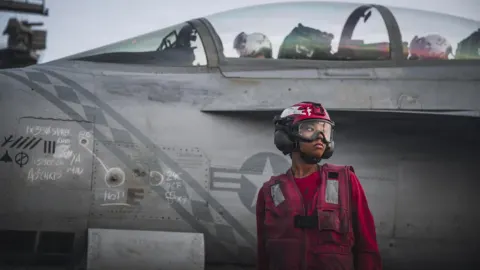
Iran's Parliament Speaker, Mohammad Bagher Ghalibaf, recently stated that 200 nights of public presence by the Iranian people have effectively shattered the aggressor's illusion. This assertion, reported by IRNA, frames the continuous public engagement since the onset of what he termed the "US-Israeli war of aggression against the country" as a decisive victory for national resolve. Such statements are intended to project an image of resilience and steadfastness against external pressures, particularly within the context of ongoing regional geopolitical conflicts and international sanctions.
For Iranian readers, Ghalibaf's remarks carry significant weight as they reinforce a narrative of national unity and strength in the face of perceived foreign hostility. These official pronouncements aim to bolster public morale and confidence, suggesting that despite economic challenges and geopolitical strains, the nation remains unyielding. While the direct economic impact of such political rhetoric is hard to quantify immediately, it can indirectly influence public sentiment regarding the stability of the local currency and the broader economic outlook, often shaping expectations in markets sensitive to political signals.
UK Economy Faces Inflation Squeeze as Wage Growth Slows, 'Iran War' Cited
The United Kingdom's economy is currently grappling with a renewed cost-of-living squeeze, with the state pension projected to exceed £13,000 a year even as wage growth decelerates. Data from the Office for National Statistics (ONS) indicates that average growth in total earnings eased to 3.9% in the three months to July, down from 4.1% in the preceding period. This slowdown occurs against a backdrop of inflation pressures, which The Guardian reports are being "fuelled by the Iran war," highlighting a complex global interdependency.
This economic environment presents a significant challenge for the Bank of England as it prepares to make crucial decisions on interest rates. The combination of slowing wage growth and persistent inflation, partly attributed to international conflicts, complicates efforts to stabilize the economy without stifling growth. For Iranian readers, this report underscores how global events, including those involving Iran, are framed by international media and how they contribute to broader economic instability, impacting global trade flows, energy prices, and overall risk appetite, which can have indirect but tangible effects on Iran's own economic trajectory.
Lucy Letby Inquiry Highlights Institutional Accountability Concerns in UK
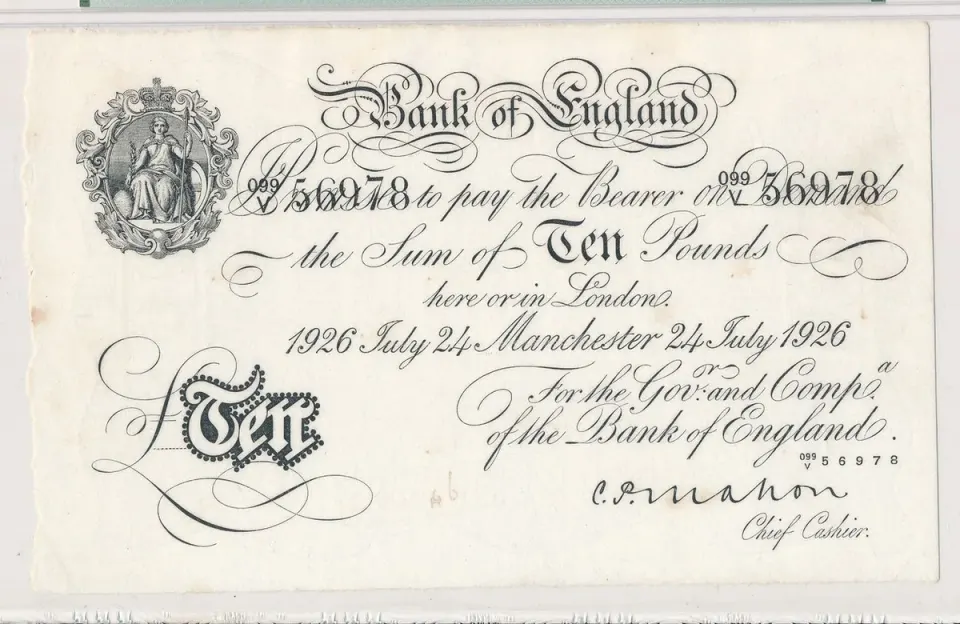
Findings from the long-awaited public inquiry into the murders committed by former nurse Lucy Letby are finally being published after repeated delays, revealing that some babies' deaths were deemed avoidable. This inquiry, examining how Letby was able to murder infants at a Chester neonatal unit over a two-year period, has become a focal point for discussions around institutional oversight, accountability, and the protection of vulnerable individuals within public services. The report's release is a critical moment for the UK's healthcare system and its efforts to restore public trust.
While this is primarily a domestic UK issue, the implications of such a high-profile case extend to universal themes of governance and public accountability. For Iranian readers, it offers a window into how another nation grapples with profound institutional failures and the public demand for transparency and justice. The process of independent inquiry, the scrutiny of systemic shortcomings, and the push for answers can resonate deeply, providing a comparative perspective on the challenges of ensuring public safety and maintaining trust in vital national institutions, especially when calls for greater transparency are present in one's own country.
Minab Children's Paintings Showcase Iranian Soft Diplomacy at UN Geneva
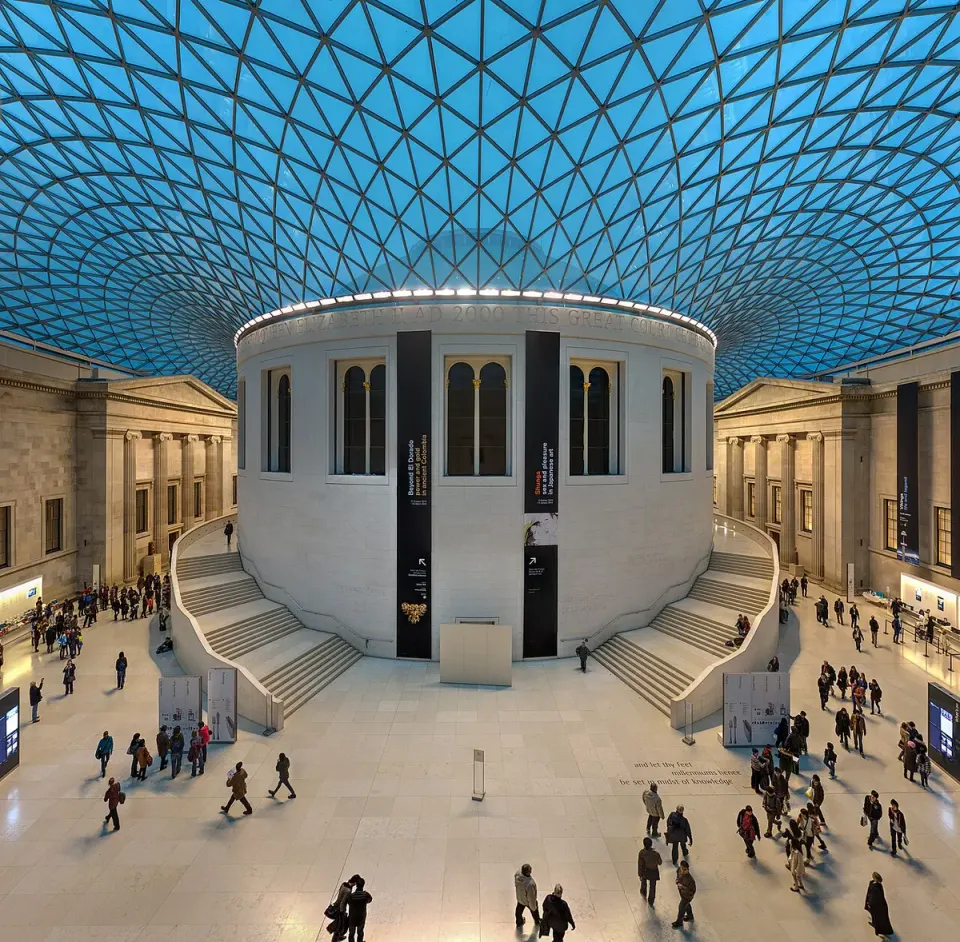
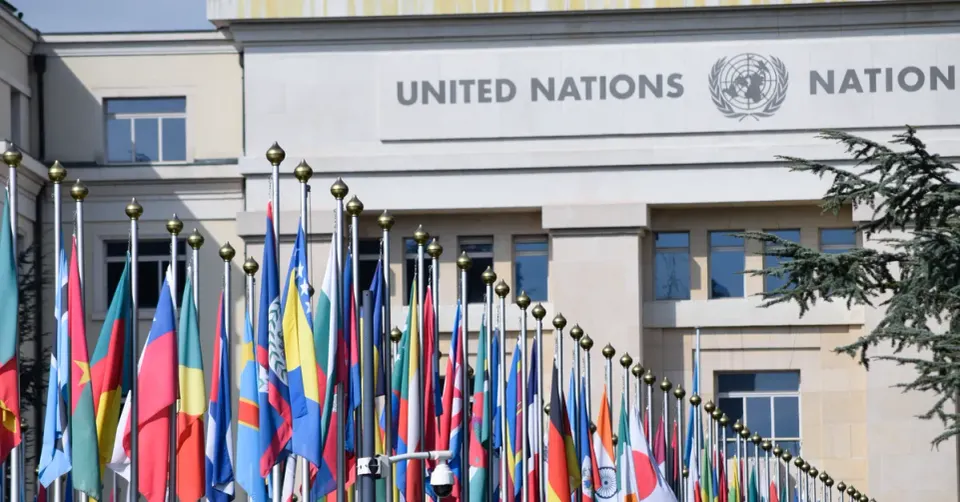
In a display of cultural diplomacy, an exhibition titled “Children of Minab Still Draw the Sun,” featuring paintings by children from Minab, Iran, has opened at the United Nations headquarters in Geneva. Organized by the Permanent Mission of the Islamic Republic of Iran, this initiative aims to present a different facet of Iran on the international stage, moving beyond the usual geopolitical narratives that often dominate headlines. Such cultural events serve as a powerful tool for fostering cross-cultural understanding and dialogue.
This exhibition signifies Iran's efforts to engage in soft power, using art and culture to build bridges and showcase the country's rich heritage and the creativity of its younger generation. For Iranian readers, the display of Minab children's art at a prestigious international venue like the UN in Geneva is a source of national pride. It provides a positive counter-narrative to negative stereotypes, demonstrating that despite political tensions, Iranian culture and talent continue to thrive and contribute to the global artistic landscape, fostering hope and international connection.
Frequently Asked Questions
What was Ghalibaf's main message regarding Iran's public presence?
How is the 'Iran war' impacting the UK economy, according to reports?
What are the latest movements in Iran's local markets?
What is the significance of the Minab children's painting exhibition at the UN?
What broader implications does the Lucy Letby inquiry have?
Understanding Stagflation: When Inflation Meets Stagnation
Stagflation is a perplexing economic phenomenon characterized by the simultaneous occurrence of high inflation, high unemployment (or slow economic growth), and stagnant demand. This combination is unusual because, in traditional economic theory, high inflation is typically associated with strong economic growth and low unemployment, as depicted by the Phillips Curve. However, stagflation defies this conventional wisdom, presenting a significant challenge for policymakers who usually tackle inflation by slowing the economy or unemployment by stimulating it.
The primary drivers of stagflation are often external supply shocks. A classic example is the oil crisis of the 1970s, where a sudden increase in oil prices raised production costs across industries, leading to higher prices for goods and services (inflation) while simultaneously reducing economic output and increasing unemployment. Geopolitical events, such as the "Iran War" impact mentioned in the headline, can similarly disrupt global supply chains, increase commodity prices (like oil or food), and elevate manufacturing costs, thereby triggering cost-push inflation.
When businesses face higher input costs, they may pass these costs onto consumers through higher prices, fueling inflation. At the same time, if demand doesn't keep pace or if consumer purchasing power is eroded by inflation, companies may slow production, postpone investments, and even reduce hiring, leading to slower economic growth and stagnant wage increases. This creates a difficult environment where individuals experience a decline in real wages, even if nominal wages see some growth, as the cost of living outstrips their earnings.
For central banks and governments, stagflation presents a policy dilemma. Measures to combat inflation (e.g., raising interest rates) can further dampen economic growth and worsen unemployment. Conversely, policies aimed at stimulating growth (e.g., lowering interest rates or increasing government spending) can exacerbate inflation. Navigating stagflation requires a delicate balance and often a multi-faceted approach, sometimes involving structural reforms alongside monetary and fiscal policies, to address both the supply-side constraints and demand-side pressures.
Topics
Related Articles