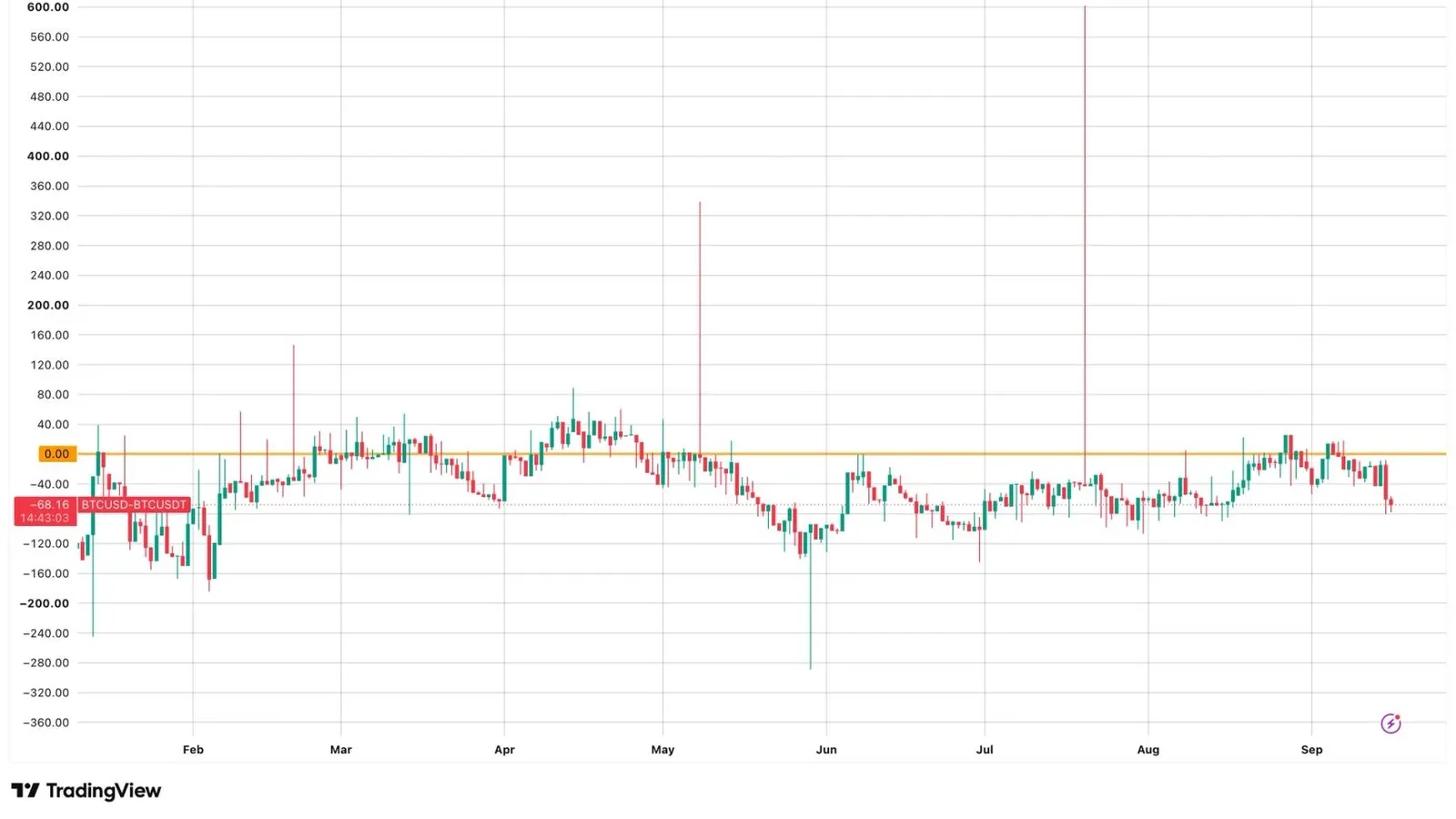
Bitcoin Premium Dips Amidst US Demand Slump; Saudi Oil Pipeline Offline
کاهش پرمیوم بیتکوین با افت تقاضا در آمریکا؛ خط لوله نفتی عربستان از مدار خارج شد
Bitcoin's premium on Coinbase has reached a one-month low, driven by weakening U.S. demand and anticipation of a Federal Reserve rate hike. Meanwhile, Saudi Arabia has shifted to spot oil sales following an outage on its key East-West pipeline, impacting Asian refiners.
At time of publishing
USD
230,800
Toman
Gold 18K
23.47M
Toman / gram
Bitcoin
$75,930
US Dollar
Tether
230,545.662
Toman
Bitcoin's Coinbase Premium Hits One-Month Low
Bitcoin's premium on Coinbase, a key indicator of U.S. retail demand, has fallen to its lowest point in a month. This decline is attributed to several factors, including weakening demand from American investors and the growing anticipation of another interest rate hike by the U.S. Federal Reserve. The failure of the Clarity Act to pass also represents a setback for the crypto industry, dampening sentiment and potentially impacting institutional interest.
This drop in the Coinbase premium suggests a cooling-off period for U.S. buyers, who have been a significant driver of Bitcoin's price action. As the Federal Reserve signals a tighter monetary policy, investors tend to become more risk-averse, leading to reduced investment in speculative assets like cryptocurrencies. The implications for the broader crypto market are significant, potentially signaling a period of consolidation or even a downturn if U.S. demand does not rebound.
---
Saudi Arabia Pivots to Spot Oil Sales Amidst Pipeline Disruption
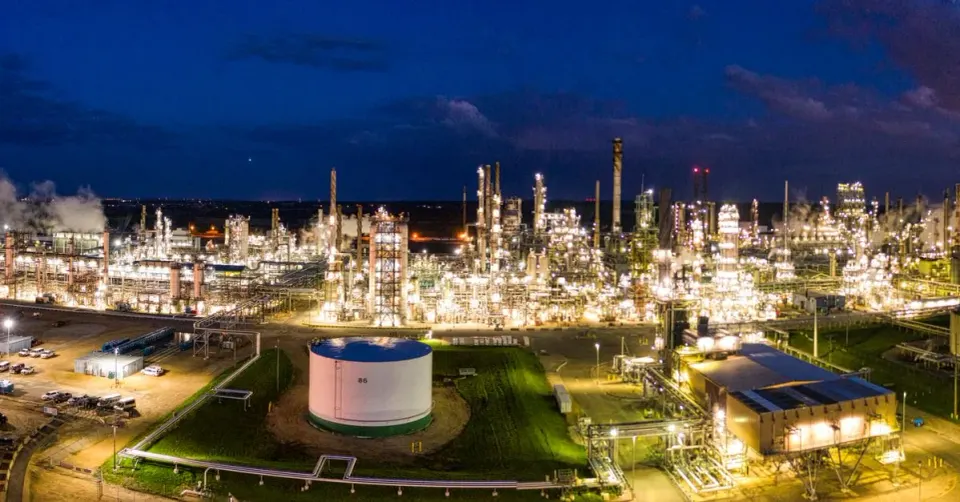
Saudi Arabia has begun selling significant volumes of crude oil on the spot market, reportedly up to 20 million barrels, following the shutdown of its crucial East-West pipeline. This pipeline is vital as it allows the Kingdom to bypass the Strait of Hormuz, a critical shipping chokepoint. The shutdown was reportedly a precautionary measure after drone attacks occurred near the Iranian border, causing some injuries.
The impact of this pipeline disruption is being felt by Asian refiners, particularly in China, which have been the primary buyers of Saudi spot crude offerings this week. Japanese refiners are also scrambling to secure alternative supplies, with some rushing to purchase Oman crude for earlier loadings. This shift to spot sales by Saudi Arabia, coupled with the loss of a major bypass route, could lead to increased shipping costs and volatility in oil prices, especially for buyers in East Asia.
---
Iran's Military Claims Advanced Weapons Capabilities
Brigadier General Ali Jahanshahi, Chief Commander of the Iranian Army Ground Force, has asserted that Iran's armed forces possess superior capabilities and readiness, particularly in strategic weapons like missiles and drones. He stated that the military is more prepared now than before the "US-Israeli war on the country," implying a heightened state of defense readiness in the face of perceived external threats.
This rhetoric from Iranian military officials often serves multiple purposes. It aims to project an image of strength and deterrence to regional rivals and global powers, while also bolstering domestic morale. In the context of ongoing international sanctions and regional tensions, such pronouncements are intended to underscore Iran's self-sufficiency and its capacity to respond to any aggression. The emphasis on strategic weapons highlights a focus on asymmetric warfare capabilities, a cornerstone of Iran's defense strategy.

---
Crypto Investor Faces Millions in Potential Losses
A concerning case has emerged where an individual invested $1.1 million in a cryptocurrency platform, expecting a return of $20 million, only to potentially lose their entire investment. The investor reportedly made this decision based on the recommendation of an executive vice president from a major New York investment bank, highlighting potential issues with due diligence and the inherent risks associated with high-stakes crypto investments.
This situation underscores the volatile nature of the cryptocurrency market and the significant risks involved, even when advised by individuals associated with traditional finance. It raises questions about the regulatory oversight of such platforms and the responsibility of financial professionals when recommending alternative investments. For average investors, this serves as a stark reminder to conduct thorough research and understand the potential for complete loss before committing substantial capital to any investment, especially in the rapidly evolving crypto space.
Frequently Asked Questions
What is the Coinbase premium and why is it important?
What is the East-West pipeline in Saudi Arabia?
What are the implications of Iran's military claims about strategic weapons?
What are the risks for investors in cryptocurrency platforms?
Understanding Risk-Off Assets in a Volatile World
In the intricate world of global finance, investors constantly weigh risk against reward. A crucial concept for understanding market movements, especially during times of uncertainty, is that of Risk-Off Assets. These are investments that are perceived to retain or even increase in value during periods of market turmoil, economic downturns, or geopolitical instability. When fear grips the markets, investors tend to shed "risk-on" assets – those typically associated with higher returns but also higher volatility, like stocks or certain cryptocurrencies – and flock towards safer havens.
The headline "Bitcoin Premium Dips Amidst US Demand Slump; Saudi Oil Pipeline Offline" offers a vivid illustration of this dynamic. The mention of a Saudi oil pipeline being offline and potential involvement of the Iran military immediately signals heightened geopolitical risk, particularly in the energy markets. Such events often trigger a broader "risk-off" sentiment across global markets. Simultaneously, a "US Demand Slump" and the implied influence of the Federal Reserve on economic conditions contribute to an environment where investors become more cautious, prioritizing capital preservation over aggressive growth.
Bitcoin, despite its narrative as "digital gold" and a hedge against inflation, often behaves as a "risk-on" asset due to its significant volatility and correlation with broader tech stocks. A "Coinbase Premium" typically indicates strong buying demand from U.S. investors. When this premium dips, it suggests a reduction in that demand, possibly signaling that U.S. investors are becoming more risk-averse and withdrawing from speculative assets like Bitcoin. This shift reflects a broader market sentiment where investors are moving away from higher-risk investments in favor of more stable options, such as government bonds or traditional safe-haven currencies.
Understanding the interplay between geopolitical events, macroeconomic indicators, and investor sentiment is key to comprehending why different asset classes behave the way they do. The concept of risk-off assets helps explain these shifts, demonstrating how seemingly disparate events—like an oil pipeline disruption and cryptocurrency demand—are intricately linked through the common thread of investor perception of risk and their subsequent allocation decisions.