UK Politics Roars: Khan Mocks Rival, AI Safety Fears Mount, Toman Dips on Rate Hike Fears
سیاست بریتانیا داغ شد: خان رقیب را مسخره کرد، ترس از هوش مصنوعی افزایش یافت، تومان با ترس از افزایش نرخ بهره افت کرد
UK politics takes center stage as a prominent leader uses a rival's campaign video against them in parliament. Meanwhile, King Charles III voices grave concerns about the 'existential danger' of artificial intelligence, and the Iranian Toman shows weakness amid global economic jitters.
At time of publishing
USD
228,600
Toman
Gold 18K
23.36M
Toman / gram
Bitcoin
$76,296
US Dollar
Tether
226,800
Toman
Khan's Parliamentary Jab Sparks UK Political Buzz
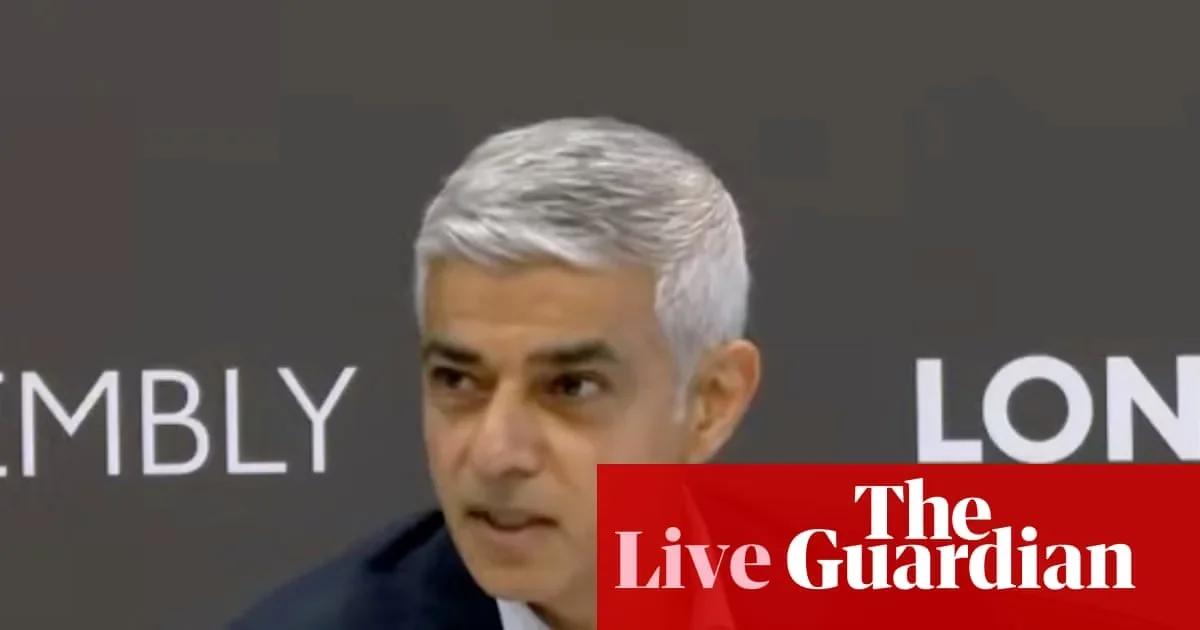
In a move that highlights the often theatrical nature of parliamentary politics, a prominent UK political figure, identified as Khan, addressed a rival, Polanski, in Urdu during a session at the London assembly. This unexpected address was a direct jab, seemingly mocking a byelection campaign video released by the Green Party leader. The incident, captured in live political reporting, underscores the personal and sometimes unconventional tactics employed in contemporary political campaigning, especially in the lead-up to crucial elections.
This specific event occurred amidst broader discussions on policy and political strategy, as reported by The Guardian. The context suggests that the use of a non-English language, Urdu, in a British parliamentary setting was intended to be a pointed and perhaps culturally resonant critique of the rival's campaign. The implication is that the rival's attempt to connect with a specific demographic through the video was perceived as performative or out of touch by Khan, who chose a public, formal setting to expose this perceived weakness. The broader significance lies in how campaign messaging and its reception are scrutinized, and how political figures leverage any perceived misstep for advantage.
---
King Charles Sounds Alarm on AI's 'Existential Danger'
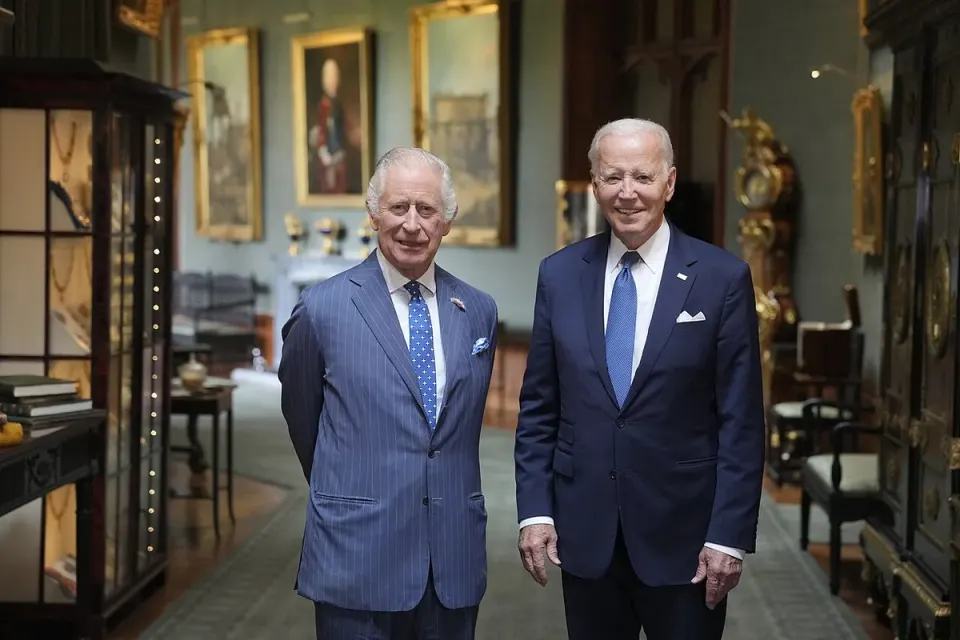
King Charles III has issued a stark warning about the potential perils of artificial intelligence, describing its unchecked development as an 'existential danger' if it falls into the wrong hands. Speaking at a summit in Scotland, the monarch's remarks underscored growing global anxieties surrounding advanced AI technologies. The gathering included key figures from leading AI companies such as Nvidia, OpenAI, and Anthropic, placing the royal's cautionary words directly before the industry's most influential players.
This intervention by the King is significant not only because of his position but also due to the timing and audience. As AI capabilities rapidly advance, discussions about regulation, ethics, and safety have intensified. The King's direct appeal to industry leaders suggests a call for greater responsibility and foresight in the development and deployment of AI. The 'wrong hands' he referred to could encompass malicious actors seeking to weaponize AI, or simply unintended consequences arising from systems that outpace human control and understanding.
The implications of these concerns extend beyond the tech industry. Governments worldwide are grappling with how to govern AI, balancing innovation with the need to mitigate risks. King Charles's words serve as a powerful reminder that the societal impact of AI is a paramount concern, one that requires careful consideration from all stakeholders, including political leaders, technologists, and the public. This broad concern highlights the need for robust ethical frameworks and international cooperation to ensure AI benefits humanity rather than posing a threat.
---
Toman Weakens Amidst Global Rate Hike Fears and Market Volatility
The Iranian Toman experienced a notable dip in its value against major foreign currencies today, reflecting broader anxieties in global financial markets. The USD sell rate climbed to 228,600 Toman, marking a 0.9% decrease from its previous day's position, while the Emami gold coin also saw a similar 0.9% decline, settling at 232,000,000 Toman. This currency depreciation is occurring against a backdrop of anticipated interest rate hikes and persistent inflation concerns, which tend to strengthen safe-haven assets and weaken emerging market currencies.
Market analysts point to a confluence of factors contributing to the Toman's slide. Global economic uncertainty, fueled by geopolitical tensions and the ongoing impact of energy price volatility, is increasing risk aversion among investors. The US Federal Reserve's recent quarter-percentage-point interest-rate hike, bringing the range to 3.75%-4.0%, signals a continued tightening of monetary policy aimed at curbing inflation. Such global monetary tightening can lead to capital outflows from economies perceived as riskier, including Iran, thereby pressuring its currency.
Furthermore, domestic economic pressures within Iran, coupled with the broader international financial climate, create a challenging environment for the Toman. While the news cycle has focused on political developments in the UK and AI safety concerns, the steady erosion of currency value has direct implications for Iranians, affecting the purchasing power of their savings and the cost of imported goods. The correlation between the Toman's performance and the price of gold and foreign exchange, as seen in today's market data, highlights the sensitivity of the Iranian economy to both internal and external financial currents.
Frequently Asked Questions
What specific political event occurred in the UK?
What are King Charles III's concerns regarding AI?
How has the Iranian Toman performed against the USD in the last 24 hours?
What other market indicators showed a decline similar to the Toman?
Understanding Currency Depreciation: The Toman's Dip Amidst Global Fears
The news headline mentioning the "Toman Dips on Rate Hike Fears" points to a fundamental economic concept: currency depreciation. This occurs when the value of a nation's currency falls relative to other currencies, meaning it takes more units of the local currency to buy one unit of a foreign currency. For instance, if the Iranian Toman depreciates against the US Dollar, you would need more Tomans to purchase a single Dollar. This phenomenon is a critical indicator of economic health and is influenced by a complex interplay of domestic and international factors.
One significant driver of currency depreciation, as hinted by "Rate Hike Fears," is the expectation of rising interest rates in other major economies, particularly the United States. Higher interest rates typically attract foreign investment seeking better returns, as investors move their capital to countries where they can earn more interest. This increased demand for a foreign currency (e.g., USD) strengthens it, while simultaneously reducing demand for the local currency (e.g., Toman), causing it to weaken. The prospect of global rate hikes can therefore trigger capital flight from emerging markets or economies perceived as less stable, putting downward pressure on their currencies.
Beyond interest rate differentials, geopolitical factors play an exceptionally potent role in the value of currencies like the Iranian Toman. Sanctions, political instability, and a nation's trade relationships can severely restrict its ability to engage in international commerce, reducing demand for its currency. Domestic economic challenges such as high inflation, large budget deficits, or a lack of investor confidence further exacerbate depreciation. For economies heavily reliant on commodity exports, fluctuations in global commodity prices can also directly impact currency strength.
The implications of a depreciating currency are far-reaching. While it can make a country's exports cheaper and more competitive on the global market, it simultaneously makes imports more expensive, potentially fueling domestic inflation. It also increases the cost of servicing foreign-denominated debt and reduces the purchasing power of citizens when traveling abroad or buying foreign goods. Understanding these dynamics is crucial for grasping how global economic shifts and geopolitical events ripple through national economies.