State Hackers Fuel 420% Surge in Crypto Malware as Bank of England Halts Rate Hikes
افزایش ۴۲۰ درصدی بدافزارهای کریپتویی توسط هکرهای دولتی و توقف نرخ بهره در بریتانیا
A bombshell report from Chainalysis reveals a massive 420% spike in state-sponsored crypto malware, with North Korean and Iranian-linked actors exploiting major blockchains. Meanwhile, the Bank of England holds interest rates at 3.75% but warns that escalating Middle East conflicts could reignite global inflation.
At time of publishing
USD
229,700
Toman
Gold 18K
23.40M
Toman / gram
Bitcoin
$76,884
US Dollar
Tether
229,515.551
Toman
State Hackers Weaponize Blockchains with 420% Malware Surge
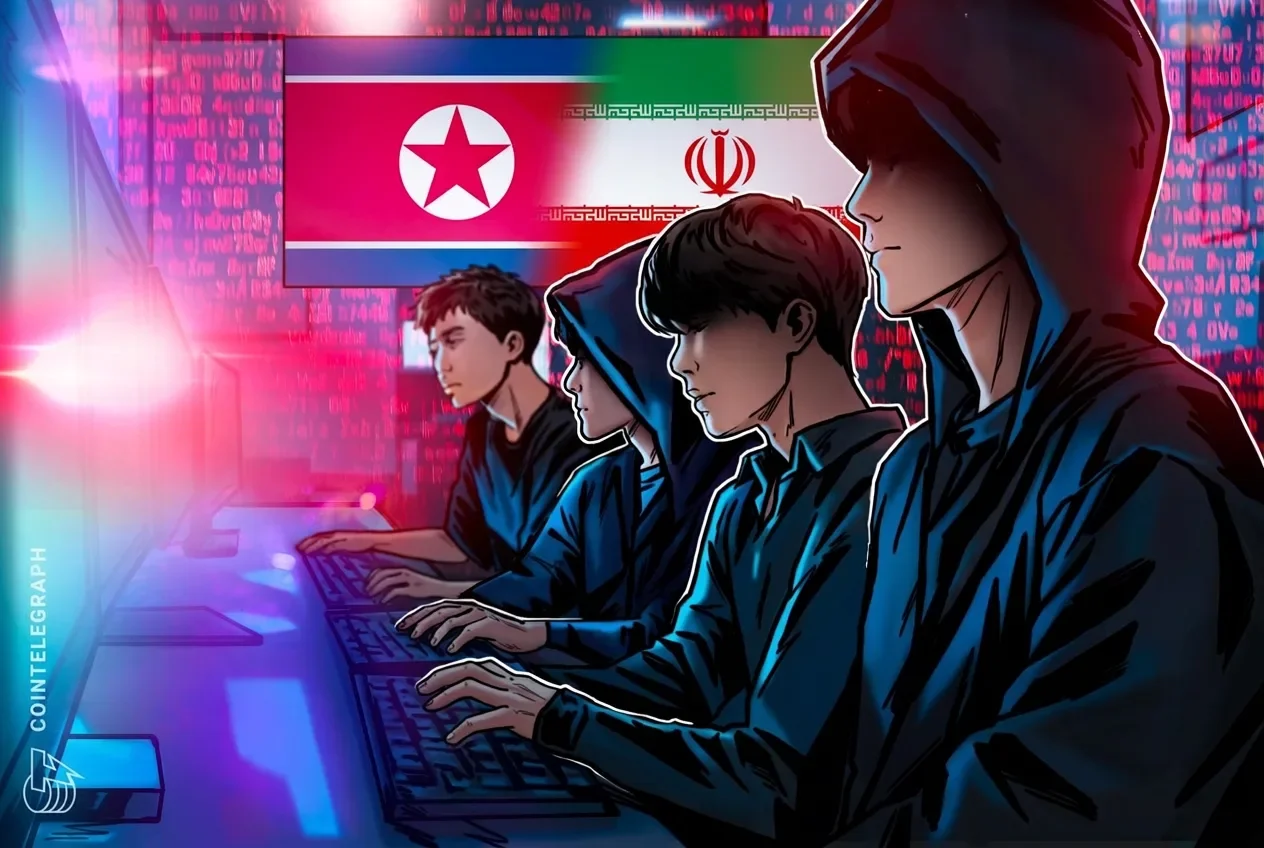
A new report from blockchain analytics firm Chainalysis has sent shockwaves through the digital asset industry, revealing a staggering 420% increase in on-chain malware activity driven by state-sponsored actors. The investigation highlights a sophisticated shift in how geopolitical rivals utilize decentralized networks. According to the data, hackers linked to North Korea have been aggressively using the Tron, Aptos, and BNB Chain networks to maintain their malware infrastructure. By embedding malicious code or command-and-control instructions directly into blockchain transactions, these groups are making it significantly harder for traditional cybersecurity firewalls to detect and intercept their activities.
The report specifically mentions that suspected Iran-linked actors have been observed embedding directions within Bitcoin transactions, a technique that leverages the immutable nature of the blockchain to ensure their malware remains operational even if central servers are seized. This evolution in cyber warfare suggests that the 'Wild West' era of crypto is being replaced by a more dangerous phase where national security interests are directly tied to blockchain integrity. For the average investor, this means that the security of the network itself is no longer just a technical concern but a geopolitical one, as state actors find new ways to bypass international sanctions and conduct espionage through the very tools designed for financial sovereignty.

Bank of England Holds Rates at 3.75% Amid War Fears
In a move that balanced caution with economic reality, the Bank of England (BoE) decided on Thursday to keep interest rates steady at 3.75%. While the decision provides some immediate relief to borrowers and mortgage holders in the UK, the accompanying minutes from the Monetary Policy Committee (MPC) were far from celebratory. The central bank explicitly warned that the continuation of 'bitter fighting' in the Middle East poses a significant risk to global supply chains and energy prices. This geopolitical instability could easily reverse the recent downward trend in inflation, potentially forcing the BoE to resume its aggressive rate-hiking cycle in the near future.
Prime Minister Andy Burnham has characterized this pause as 'breathing space' for the British public, but market analysts are skeptical. The BoE also announced a surprise plan to sell billions of pounds in government bonds back to the Treasury, a process known as quantitative tightening. This move is designed to avoid volatility in the gilt market but could have the unintended consequence of tightening fiscal conditions just as the government prepares for its next budget. For global markets, the BoE's stance signals that the era of high interest rates is not yet over, and the shadow of regional conflict remains the primary driver of economic uncertainty.
---
Toman Markets Cool as Gold and USD See Slight Declines
In the local Tehran markets, the high-octane volatility of previous weeks has given way to a minor cooling period. The US Dollar (USD) moved from 230,700 to 229,700 Toman, marking a 0.4% decrease over the last 24 hours. This slight correction comes as traders digest the latest round of international diplomatic signals and the stabilization of global oil prices. Despite the decrease, the exchange rate remains at historic highs, keeping pressure on local purchasing power and making the cost of imported technology and essential goods a primary concern for Iranian households.

The gold and coin markets followed a similar downward trajectory. The price of 18k gold per gram dropped from 23,500,623 to 23,403,665 Toman, also a 0.4% decline. More notably, the Emami coin fell from 234,000,000 to 232,000,000 Toman, a sharper 0.9% drop. This suggests that some of the 'panic buying' seen earlier in the month is subsiding as investors wait for clearer signals from both the domestic economy and the ongoing tensions in the region. However, with Bitcoin holding steady at $76,884, many local investors continue to look toward digital assets as a hedge against any potential sudden devaluation of the Toman.
Cultural Boycotts and the Gaza Crisis Impact Eurovision
Geopolitical tensions are increasingly spilling over into the cultural sphere, as evidenced by Ireland's national broadcaster, RTÉ, announcing a boycott of the Eurovision Song Contest for the second consecutive year. RTÉ stated that participation in the event cannot be justified given the 'appalling and ongoing loss of lives in Gaza.' This decision reflects a growing sentiment across Europe and the Middle East where cultural and sporting events are becoming battlegrounds for public opinion. The boycott puts significant pressure on the European Broadcasting Union (EBU) and other member nations to address the humanitarian situation through their platforms.

This move by RTÉ is not just a symbolic gesture; it carries weight in the diplomatic arena as it highlights the isolation of certain policies on the international stage. While some critics argue that art and politics should remain separate, the reality of 2026 is that every major international gathering is scrutinized through the lens of global ethics. As the conflict in Gaza continues to dominate headlines, these cultural withdrawals serve as a reminder to the financial and political elite that public sentiment is shifting toward more direct forms of protest against international inaction.
Frequently Asked Questions
Why is crypto malware increasing so rapidly?
What does the Bank of England's rate decision mean for global markets?
Why did the Toman and gold prices decrease slightly today?
State-Sponsored Cybercrime and the Allure of Cryptocurrency
The recent surge in crypto malware, often attributed to state-sponsored actors, highlights a critical intersection of national security, geopolitics, and digital finance. State-sponsored cybercrime refers to malicious activities conducted by or on behalf of a government, often with objectives far beyond typical criminal gain. These goals can include espionage, sabotage of critical infrastructure, intellectual property theft, or financial enrichment to fund illicit programs or circumvent international sanctions. The increasing sophistication and frequency of these attacks pose significant challenges to global cybersecurity.
Cryptocurrency has become an increasingly attractive tool for state-sponsored groups due to its perceived anonymity and the ease with which funds can be transferred across borders, bypassing traditional financial systems that are often subject to international regulations and sanctions. While blockchain technology offers transparency, the methods used by sophisticated actors, such as mixing services, privacy coins, and complex transaction chains, can obscure the flow of funds, making attribution and recovery exceedingly difficult for law enforcement and intelligence agencies.
Nations like North Korea and Iran have been prominently implicated in using cryptocurrency-related cyberattacks for strategic purposes. North Korea, for instance, is widely reported to fund a significant portion of its weapons programs through large-scale cryptocurrency heists, often targeting exchanges and decentralized finance (DeFi) platforms. Similarly, some state-backed groups are believed to leverage crypto malware for espionage or disruptive attacks, using digital assets to finance operations or launder proceeds. This trend underscores how digital currencies, initially envisioned as a decentralized financial alternative, have become a new battleground in international power dynamics and economic warfare.
The global implications of state-sponsored crypto cybercrime are vast. It not only undermines the security and integrity of the digital economy but also finances activities that can destabilize regions and challenge international norms. As governments and private entities continue to grapple with these threats, understanding the motivations and methods behind state-backed cyber operations is crucial for developing effective countermeasures and safeguarding the future of digital finance.