Military Rhetoric and Market Realities: Iran’s Strategic Pivot as Global Inflation Fears Resurface
لفاظیهای نظامی و واقعیتهای بازار: چرخش استراتژیک ایران همزمان با بازگشت ترس از تورم جهانی
As Iran’s Army Chief emphasizes domestic resilience, diplomatic maneuvers in Beijing and a surprise US House vote to end conflict costs highlight a shifting geopolitical landscape. Meanwhile, Tehran’s gold market surges 1.2% even as the USD sees a minor correction.
At time of publishing
USD
230,600
Toman
Gold 18K
23.52M
Toman / gram
Bitcoin
$75,713
US Dollar
Tether
230,448.265
Toman
The Ideological Shield: Army Chief Emphasizes Faith Over Hardware
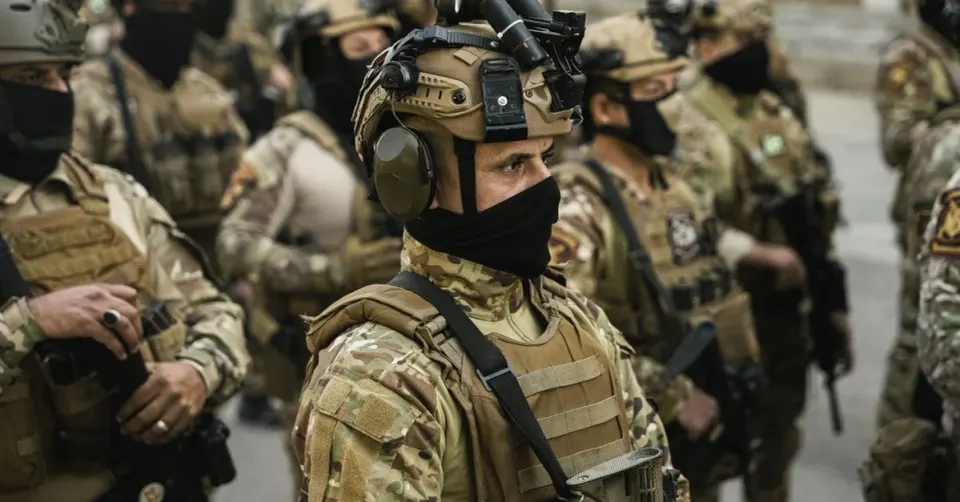
At 17:00 Tehran time, the narrative of national security is shifting from purely technical capabilities to ideological resilience. Major General Amir Hatami, the Army Chief, stated today that Iran’s true strength is not merely rooted in its defensive hardware, but in the "faith, unity, and resolve" of its people. This statement comes at a critical juncture as the country navigates a complex web of international sanctions and regional tensions. Hatami’s rhetoric suggests a strategic pivot toward domestic cohesion as a primary deterrent, likely aimed at bolstering public morale amidst the economic pressures that have long characterized the Iranian landscape.
For the average Iranian reader, this emphasis on non-material strength often signals a preparation for continued economic isolation. By framing national power through the lens of 'resolve,' the military leadership is acknowledging that the battlefield has extended far beyond the borders into the realm of psychological and economic endurance. This approach serves as a reminder that while the armed forces continue to develop deterrent capabilities, the government views public sentiment as the ultimate barometer of the state's stability. It is a message that resonates in a market where confidence is often as volatile as the exchange rate.
Beijing’s Middle East Gambit and the $38 Billion Price Tag
In a significant diplomatic move, Beijing has hosted high-level Iranian diplomats just ahead of a scheduled U.S.-China summit. This maneuver is widely interpreted as a signal to the Trump administration that China remains a pivotal player in Middle Eastern affairs and will continue to "safeguard Iran’s legitimate rights." China’s vocal support highlights a growing frustration with the existing security architecture in the region, which Beijing argues has failed to prevent escalation. By positioning itself as a protector of Iranian interests, China is effectively using Tehran as leverage in its broader trade and security negotiations with Washington.
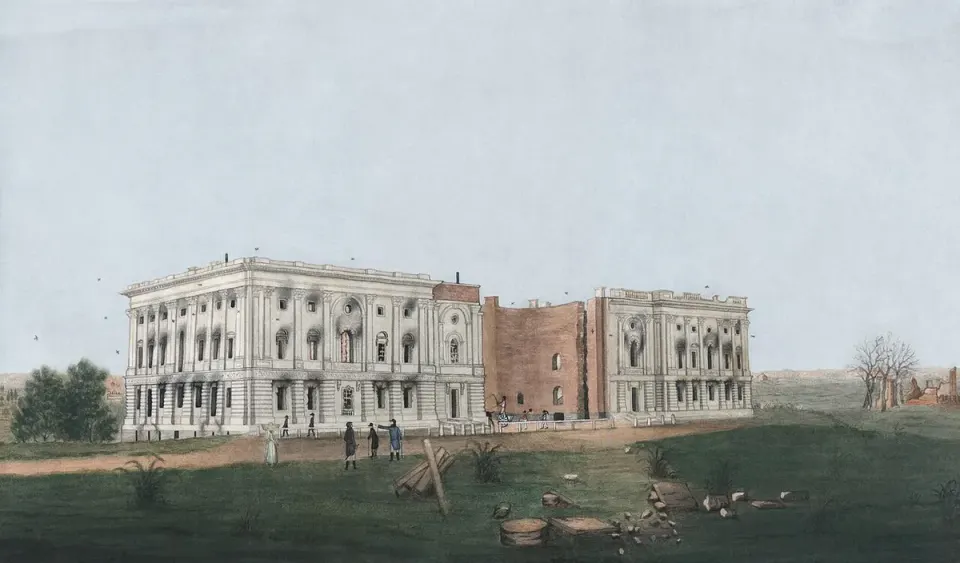
Simultaneously, the U.S. House of Representatives has taken a surprising step by voting for a third time to end the war on Iran. This legislative push is grounded in a recent Congressional Budget Office (CBO) report revealing that the conflict has already cost the United States at least $38 billion. Furthermore, the report warns that the U.S. stockpile of defensive missiles has been so severely depleted that it could take up to five years to replenish. This fiscal reality is forcing a re-evaluation of American military engagement in the region, suggesting that the era of 'blank check' interventions may be facing a domestic political ceiling.
Inflation Ghosts: Why Global Markets are Bracing for Aggressive Hikes
On the global economic front, a sense of unease is returning to the markets. Albert Edwards, a prominent strategist at Société Générale, has issued a stark warning that inflation may not be as contained as previously thought. Edwards points to gasoline and diesel prices, which he argues are currently behaving as if crude oil were priced at $150 a barrel, despite actual prices being significantly lower. This discrepancy suggests a deep-seated inflationary pressure in the energy supply chain that could force the Federal Reserve into a series of aggressive interest rate hikes, a scenario that Wall Street is only beginning to price in.
The implications for Iran are two-fold. First, any aggressive move by the Fed typically strengthens the global US Dollar, which puts downward pressure on emerging market currencies and commodities. However, history shows that initial Fed hikes do not always succeed in cooling long-term bond yields immediately, often leading to periods of intense market volatility. For Iranian investors, this global uncertainty often translates into a flight toward 'safe-haven' assets. This explains why, despite a minor 0.3% dip in the local USD/IRR rate today, gold prices in Tehran have continued to climb, reflecting a cautious outlook on global stability.
Tehran Market Update: Gold Decouples from a Cooling Dollar
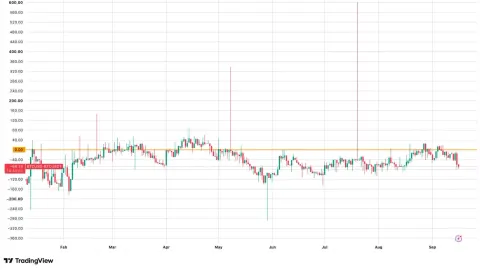
As of this hour, the Tehran market is showing a fascinating decoupling between currency and precious metals. The USD sell rate moved from 231,200 to 230,600 Toman, marking a minor 0.3% decrease. This cooling of the dollar might typically suggest a stabilizing market, yet gold and coins have moved in the opposite direction. Gold 18k per gram rose from 23,246,687 to 23,523,708 Toman (+1.2%), while the Emami coin jumped from 231,500,000 to 234,000,000 Toman (+1.1%). This upward movement in gold, despite a falling dollar, indicates that local buyers are more concerned with the rising global ounce (currently at $4,352.90) and regional risk premiums than with the day-to-day fluctuations of the Toman.
In the crypto space, Bitcoin remains steady at $75,713, though the broader market is closely watching reports of a Houthi drone being intercepted near Mecca. Such incidents keep the 'geopolitical risk' premium high, preventing a more significant correction in asset prices. For the Iranian reader, the takeaway is clear: while the exchange rate may show temporary signs of relief, the broader inflationary environment and regional tensions are keeping the cost of 'hard' assets like gold on a steady upward trajectory. Diversification remains the primary strategy for those looking to hedge against a potential return to aggressive global inflation.
Frequently Asked Questions
چرا قیمت طلا در تهران با وجود کاهش قیمت دلار افزایش یافت؟
رای مجلس نمایندگان آمریکا درباره پایان جنگ با ایران چه تأثیری دارد؟
منظور از رفتار قیمت سوخت مشابه نفت ۱۵۰ دلاری چیست؟
Iran’s Dual Exchange Rate System: How It Shapes the Economy
The world of exchange rates is usually divided into three broad regimes: fixed, floating, and managed float. A dual exchange rate system is a special form of a managed float in which a country maintains two (or more) official rates that apply to different types of transactions. In Iran, the government publishes an “official” rate used for essential imports, government contracts, and some foreign‑currency‑linked salaries, while a parallel market – often called the free market or black‑market rate – determines the price most Iranians actually pay when they buy foreign currency for travel, remittances, or private trade.
The rationale behind Iran’s dual rates stems from decades of sanctions, chronic fiscal deficits, and a need to protect vulnerable sectors from sudden price spikes. By setting a lower official rate, the state can subsidise critical imports such as medicine and food, keeping them affordable in rial terms. At the same time, the free‑market rate reflects the true scarcity of hard currency, driven by reduced oil revenues and limited access to international financial markets. This split creates arbitrage opportunities for businesses that can obtain dollars at the official rate and sell them on the market, but it also fuels corruption and distorts price signals throughout the economy.
Because the rial’s market value is often far weaker than the official rate, Iranians turn to gold as a hedge against inflation and currency devaluation. Gold prices in Tehran are quoted in tomans and tend to track the free‑market exchange rate more closely than the official one. When the Federal Reserve signals higher inflation globally, investors worldwide look for safe‑haven assets, pushing up gold prices everywhere – a trend that reverberates in Tehran’s markets and further pressures the dual‑rate system.
Reforming the dual exchange rate is a recurring demand from both domestic technocrats and international institutions such as the IMF. A unified, market‑determined rate would improve transparency, reduce rent‑seeking, and help the Central Bank implement coherent monetary policy. However, any abrupt move risks social unrest, as higher import prices could strain household budgets. The challenge for Iran lies in balancing short‑term political stability with long‑term economic credibility.