Justice and Jitters: Pelicot Trial Shakeup, Duterte at ICC, and Toman Gold’s 1.1% Surge
عدالت و اضطراب: تعلیق محاکمه پلیکو، حضور دوترته در لاهه و جهش ۱.۱ درصدی طلا در بازار تهران
A major shift in the landmark Pelicot trial and Rodrigo Duterte's historic ICC appearance dominate global headlines, while Tehran's gold market sees a 1.1% spike despite a slight cooling in the US Dollar.
At time of publishing
USD
230,800
Toman
Gold 18K
23.50M
Toman / gram
Bitcoin
$75,958
US Dollar
Tether
230,000
Toman
The Pelicot Trial: A Sudden Interruption in the Quest for Justice
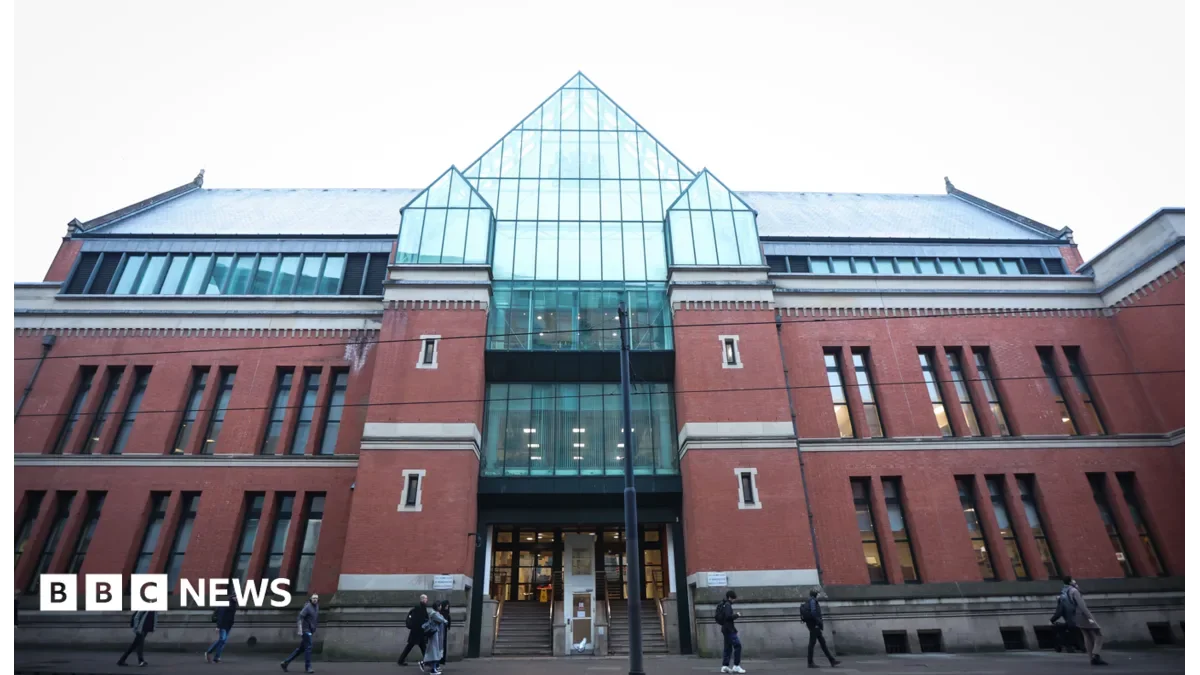
In a development that has stunned legal observers and advocates for victims of sexual violence, the trial of Dominique Pelicot—the man accused of drugging his wife for two decades and inviting dozens of strangers to rape her—has seen a significant shift. Pelicot has been removed from the current proceedings due to health complications, leaving twelve other men to face the court alone for their alleged roles in these heinous crimes. This trial, which has become a focal point for the global conversation on consent and systemic misogyny, is now navigating uncharted waters as the primary architect of the abuse is no longer present to answer for his actions in the immediate term.
For the survivors and the public, this delay or separation of cases is more than a procedural hurdle; it represents a painful pause in a process that was supposed to bring full closure. The case has highlighted the horrific potential for technology and domestic isolation to be weaponized against the vulnerable. While the legal system in France grapples with the logistics of continuing without the lead defendant, the international community continues to watch closely. The outcome for the remaining twelve men will serve as a critical barometer for how modern judiciaries handle mass-complicity in cases of prolonged, organized sexual assault.
Gold Surges and Tanker Cyber-Threats: A Volatile Market Landscape
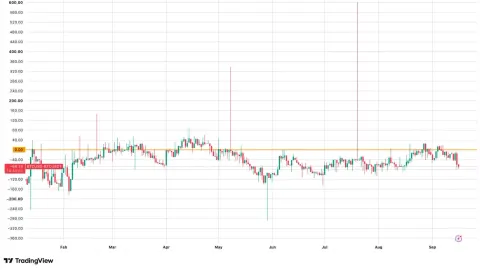
Turning to the financial markets, the Iranian domestic gold market has seen a notable upward move today. The price of 18-karat gold rose from 23,246,687 to 23,500,623 Toman, marking a 1.1% increase in just 24 hours. Similarly, the Emami gold coin climbed from 231,500,000 to 234,000,000 Toman, also gaining 1.1%. This surge comes even as the US Dollar experienced a minor correction, with the sell rate moving from 231,200 to 230,800 Toman (-0.2%). The decoupling of gold from the immediate Toman-Dollar exchange rate suggests that local investors are increasingly looking at gold as a hedge against global uncertainty rather than just a currency play.
This market anxiety is fueled in part by disturbing reports from the energy sector. U.S. authorities are currently investigating suspected cyber attacks on oil tankers bound for Texas, which allegedly occurred while the vessels were transiting the Strait of Gibraltar. When combined with the ongoing tensions in the Middle East—including Houthi claims of downing Saudi jets—oil is increasingly "calling the tune" for global markets. For the Iranian reader, this volatility translates into higher safe-haven demand. As energy routes become targets for digital and physical warfare, the risk premium on gold is likely to remain elevated, keeping the 18k price above the 23.5 million Toman mark for the foreseeable future.

International Law in Focus: From Duterte to the British Military
In the realm of global geopolitics, the International Criminal Court (ICC) witnessed a historic moment as former Philippine President Rodrigo Duterte appeared in person for the first time. Duterte is facing intense scrutiny over his administration's notorious "war on drugs," which resulted in thousands of extrajudicial killings. His presence at the ICC signals a significant victory for international human rights organizations that have spent years pushing for accountability. It also serves as a stark reminder to leaders worldwide that the shield of sovereignty is not impenetrable when faced with allegations of crimes against humanity.
Meanwhile, in the United Kingdom, a different kind of legal drama reached its conclusion. A senior army officer, Colonel Samantha Shepherd, was cleared of charges relating to her handling of sexual assault allegations made by a teenage soldier who later took her own life. While the acquittal provides a legal resolution for the Colonel, the case has reignited a fierce debate within Britain about the military’s internal culture and its ability to protect young recruits. These stories, from the ICC to the British court martial, reflect a global trend toward questioning institutional authority and demanding higher standards of transparency and protection for individuals against the state or military machine.

Cultural Resilience in Kerman Amidst Economic Pressure
While the headlines are dominated by legal battles and market shifts, life in Iran continues to find expression through the arts. In Kerman Province, the "Hamnegar" group photo exhibition has opened its doors, showcasing the work of local artists despite the challenging economic climate. Attended by provincial culture officials, the exhibition serves as a reminder of the enduring importance of cultural identity in the face of sanctions and inflation. For many in the region, these events provide a necessary psychological reprieve from the daily stress of fluctuating Toman rates and geopolitical uncertainty.
However, the contrast between this local cultural vibrancy and the broader economic reality remains sharp. As the government continues to manage its diplomatic ties—evidenced by Beijing hosting Iranian diplomats ahead of a U.S.-China summit—the average citizen remains focused on the purchasing power of their savings. The Kerman exhibition is a testament to the fact that even when the "smart money" is moving into gold and the world is debating international law, the human need for creative expression and community remains a vital part of the Iranian social fabric.
Frequently Asked Questions
چرا قیمت طلا در ایران با وجود کاهش قیمت دلار افزایش یافته است؟
سرنوشت پرونده پلیکو پس از حذف متهم اصلی چه خواهد شد؟
حملات سایبری به نفتکشها چه تاثیری بر بازار ایران دارد؟
Understanding the International Criminal Court’s Jurisdiction and Its Reach
The International Criminal Court (ICC) is a permanent tribunal established in 2002 by the Rome Statute to prosecute individuals for the gravest crimes: genocide, crimes against humanity, war crimes, and the crime of aggression. Unlike traditional national courts, the ICC operates on the principle of complementarity – it can intervene only when a country is unwilling or genuinely unable to investigate or punish the alleged offenses itself. This design respects state sovereignty while providing a global safety net against impunity.
One of the most debated aspects of the ICC is its jurisdiction over sitting heads of state. The court’s founding treaty makes clear that no official immunity shields leaders from prosecution, a stance that has been tested in cases ranging from Sudan’s former president Omar al‑Bashir to the ongoing investigations involving the Philippines’ former president Rodrigo Duterte. While the ICC can issue arrest warrants, its enforcement relies on the cooperation of member states, which often leads to political friction and selective compliance.
The ICC’s reach is further limited by its geographic scope: it can prosecute crimes committed on the territory of a State Party or by its nationals, and it may also act if a situation is referred by the United Nations Security Council. Consequently, many countries, including the United States, Russia, and China, remain outside its direct jurisdiction, opting instead for bilateral or ad‑hoc tribunals. This patchwork of jurisdiction explains why some high‑profile cases proceed while others stall.
Critics argue that the ICC suffers from bias and inefficiency, pointing to a disproportionate focus on African nations and lengthy trial durations. Supporters counter that the court provides a vital platform for victims to seek justice and deters future atrocities. Regardless of the debate, the ICC remains a cornerstone of modern international law, shaping how the global community confronts mass violence.
For those interested in the mechanics of the ICC, the Rome Statute outlines the legal framework, while recent news—such as the ICC’s examination of Duterte’s alleged crimes—illustrates the court’s evolving role in contemporary geopolitics.