US House Advances Sweeping Russia-Iran Sanctions as Microsoft Warns of 'Disastrous' AI Risks
پیشروی طرح تحریمهای گسترده ایران و روسیه در کنگره؛ هشدار جنجالی مایکروسافت درباره خطرات هوش مصنوعی
The US House Rules Committee has cleared a major procedural hurdle for a massive sanctions package targeting Russia and Iran, while Microsoft issues a stark warning about the 'disastrous' potential of AI rival Anthropic. Meanwhile, Amazon raises worker wages as global energy prices face fresh volatility from Middle East tensions.
At time of publishing
USD
230,600
Toman
Gold 18K
23.50M
Toman / gram
Bitcoin
$75,619
US Dollar
Tether
229,997
Toman
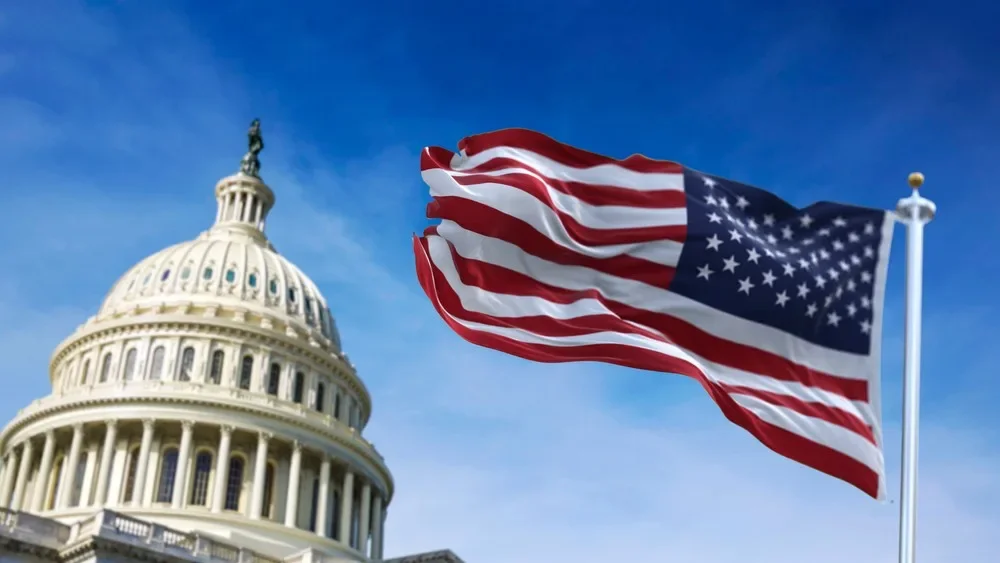
US House Moves Toward Final Vote on Russia-Iran Sanctions Bill
The United States House Rules Committee has successfully advanced a significant piece of legislation aimed at tightening the economic screws on both Russia and Iran. In a 7-3 vote late Tuesday, the committee cleared a procedural hurdle that sets the stage for a full House debate and a final vote later this week. The bill is designed to expand the scope of existing sanctions, particularly focusing on the energy and financial sectors, while also granting the executive branch broader authority to impose tariffs. This move comes at a time of heightened geopolitical friction, as Western allies seek more aggressive tools to curb the influence and revenue streams of these two nations.
However, the advancement of the bill has not been without controversy within the halls of Congress. Democratic members have expressed deep concerns regarding the expansion of presidential tariff authority, fearing it could lead to unintended trade wars or economic instability. Despite these internal debates, the momentum behind the sanctions package suggests a bipartisan appetite for a harder line against Tehran and Moscow. For the Iranian economy, this development signals a potential tightening of the already restrictive trade environment, which often translates into immediate pressure on the Toman and local gold prices as market participants hedge against future uncertainty.
Microsoft’s Stark Warning on Anthropic and the AI Arms Race
In a surprising turn of events within the technology sector, Microsoft has issued a public warning regarding its AI rival, Anthropic, suggesting that the company's Claude model could have a "disastrous impact" on humanity. Mustafa Suleyman, a high-ranking executive at Microsoft, claimed that Anthropic is effectively teaching its AI that it might be conscious, a move that could lead to unpredictable and dangerous behaviors. This rhetoric highlights the intensifying competition and the growing ethical divide among the giants of Silicon Valley as they race to dominate the generative AI landscape.
While Microsoft itself is a massive investor in AI through its partnership with OpenAI, this critique of Anthropic—a company often seen as the more "safety-oriented" alternative—marks a shift in the industry's narrative. Critics argue that such warnings may be a strategic move to invite more regulation on competitors or to position Microsoft as the more responsible gatekeeper of AI technology. Regardless of the motivation, the clash underscores the high stakes involved; as AI models become more integrated into global finance and infrastructure, the perception of their safety directly influences investor confidence and the valuation of tech stocks worldwide.
Amazon’s Wage Hike and the Global Shift in Labor Markets
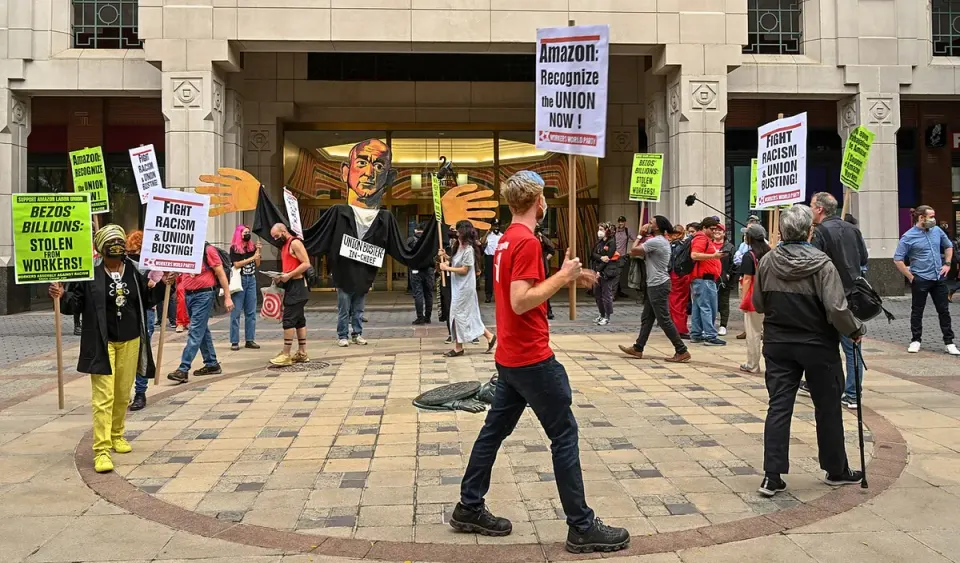
Amazon has announced a $1 per hour raise for its frontline workers, a move that will cost the e-commerce giant approximately $1.5 billion. While a one-dollar increase might seem modest in isolation, it represents a significant commitment when scaled across Amazon's massive workforce. This decision comes as the company faces continued pressure from labor organizers and a tightening job market where competition for reliable logistics staff remains fierce. Interestingly, this $1.5 billion investment accounts for only about 0.06% of Amazon’s staggering $2.68 trillion market cap, illustrating the vast scale at which the company operates.
This wage adjustment is part of a broader trend where large corporations are forced to re-evaluate their compensation structures in the face of persistent inflation. For the wider economy, Amazon's move often acts as a benchmark, forcing other retailers and logistics providers to follow suit to remain competitive. This "wage-push" can contribute to broader inflationary pressures, which the Federal Reserve monitors closely when deciding on interest rate hikes. As markets await the next Fed "dot plot" and interest rate decisions, these corporate labor costs become a critical piece of the puzzle in determining whether the global economy is heading for a soft landing or continued volatility.
Market Realities: Gold Gains as Bitcoin Faces Legislative Headwinds
In the financial markets, there is a clear divergence between traditional safe-haven assets and the crypto sector. In Tehran, the price of 18k gold rose from 23,246,687 to 23,500,623 Toman (+1.1%), and the Emami coin followed suit, climbing from 231,500,000 to 234,000,000 Toman (+1.1%). This upward movement in gold suggests that local investors are increasingly seeking protection against the potential fallout from the new US sanctions bill. Conversely, the USD in the free market saw a slight decline, moving from 231,200 to 230,600 Toman (-0.3%), indicating a momentary stabilization or a shift in liquidity toward gold.
In the cryptocurrency world, the mood is more somber. Bitcoin has dropped below the $76,000 mark, currently trading at $75,619, following a massive $450 million outflow from Bitcoin ETFs. This sell-off was triggered by the failure of the "Clarity Act" in the US, which many investors had hoped would provide a clearer regulatory framework for digital assets. The lack of legislative progress, combined with the anticipation of a potential Fed rate hike, has dampened the enthusiasm for risk-on assets, leading to a period of consolidation and caution among crypto traders globally.
Frequently Asked Questions
چرا طرح تحریمهای جدید آمریکا در این مقطع اهمیت دارد؟
دلیل هشدار مایکروسافت علیه شرکت آنتروپیک چیست؟
چرا قیمت طلا در تهران با وجود کاهش جزئی دلار افزایش یافت؟
Understanding Economic Sanctions: Tools of Foreign Policy
Economic sanctions are powerful foreign policy tools used by countries or international bodies to pressure another nation, entity, or individual to change their behavior. These measures typically involve restricting trade, financial transactions, and other economic interactions. The goal can range from deterring military aggression, combating terrorism, promoting human rights, or preventing nuclear proliferation, by imposing significant economic costs on the target.
Sanctions can take various forms, from comprehensive embargoes that severely limit all economic activity with a target country, to more targeted measures that focus on specific sectors, individuals, or entities. Common types include trade restrictions (bans on imports or exports of certain goods), financial sanctions (freezing assets, restricting access to international banking systems, or prohibiting investments), and travel bans. The effectiveness of sanctions often depends on their scope, the degree of international cooperation in their enforcement, and the resilience of the targeted economy.
The impact of economic sanctions can be far-reaching and complex. While intended to pressure the government or ruling elites of a target country, they often have significant — and sometimes unintended — consequences for the general population. These can include inflation, currency devaluation (as seen with the Toman exchange rate), shortages of goods, and a decline in living standards. Sanctions can also disrupt global supply chains and influence international commodity prices, such as global energy prices, especially when major producers are targeted. Furthermore, they can lead to the rise of black markets and illicit trade as a means to circumvent restrictions, impacting the price of goods like gold in local markets.
Topics
Related Articles