Fed Defies Trump with First Rate Hike Since 2023 as Tehran Gold Hits New Peaks
دهنکجی فدرال رزرو به ترامپ با اولین افزایش نرخ بهره؛ سکه و طلا در بازار تهران رکورد زدند
The Federal Reserve has raised interest rates by 25 basis points in a historic defiance of President Trump's demands, while Tehran's gold market surged 1.1% amid a deepening global energy crisis.
At time of publishing
USD
231,000
Toman
Gold 18K
23.50M
Toman / gram
Bitcoin
$75,872
US Dollar
Tether
230,605
Toman
The Fed’s High-Stakes Defiance
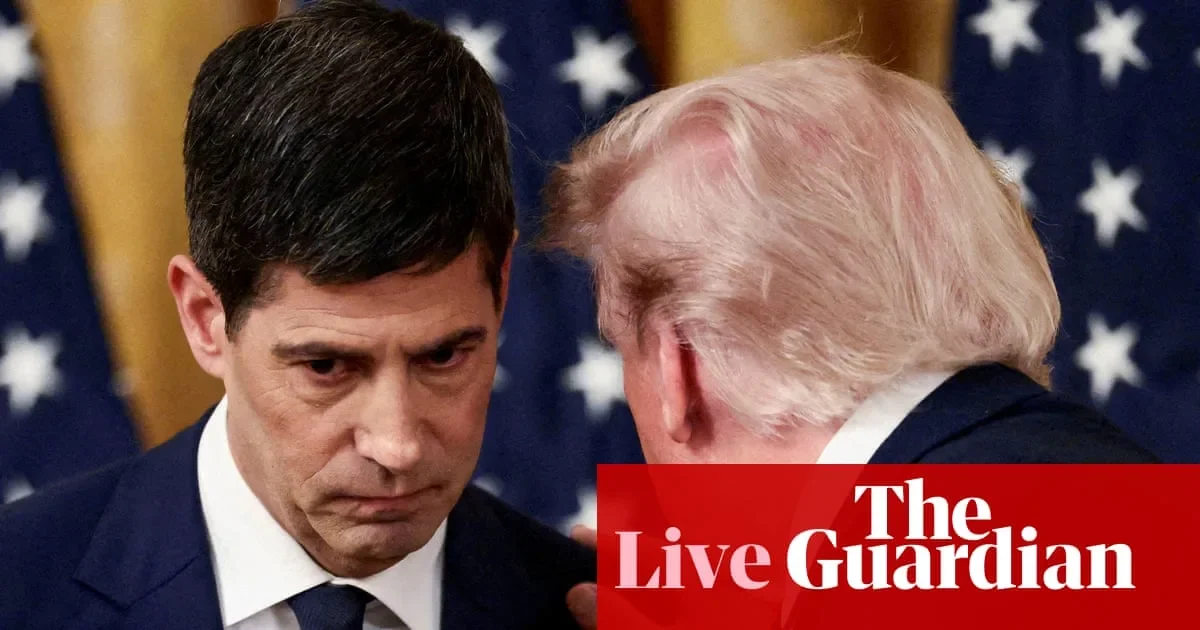
In a move that has sent shockwaves through global financial centers, the U.S. Federal Reserve voted unanimously on Wednesday to raise its benchmark interest rate by 25 basis points, bringing the range to 3.75%–4.0%. This marks the first rate hike since July 2023 and represents a direct confrontation between the central bank and the White House. Kevin Warsh, Donald Trump’s hand-picked nominee for Fed Chair, led the 12-0 decision despite intense and public pressure from the President to slash rates. The move signals that the Fed remains committed to battling persistent inflation, which has been exacerbated by the ongoing conflict in the Middle East and the resulting spike in energy costs.
This decision is particularly significant because it undercuts the narrative that Trump’s appointees would be mere rubber stamps for his "low interest rate" agenda. By securing the votes of other Trump appointees like Michelle Bowman and Christopher Waller, Warsh has asserted the Fed’s institutional independence at a critical juncture. For investors, this hawkish turn suggests that the era of cheap money is not returning as quickly as many had hoped. The market must now price in a Federal Reserve that is willing to risk a slowdown in growth to prevent the energy-driven inflation from becoming structurally embedded in the global economy.
Gold Surges in Tehran Amid Energy Jitters
While the U.S. dollar saw a marginal decline of 0.1% in the Tehran market, falling from 231,200 to 231,000 Toman, the gold and coin sectors experienced a significant rally. Gold 18k rose from 23,246,687 to 23,500,623 Toman per gram, a 1.1% increase in just 24 hours. Similarly, the Emami coin jumped from 231,500,000 to 234,000,000 Toman. This decoupling of gold from the local dollar rate suggests that Iranian investors are increasingly seeking a safe haven as regional tensions escalate and the global gold ounce hovers at a staggering $4,309.10.
The domestic surge is driven by a cocktail of fears, primarily centered on the crippled energy infrastructure in the region. With the Saudi East-West Petroline offline following drone strikes and the Strait of Hormuz effectively blocked, the risk of a prolonged global oil shortage is no longer a theoretical exercise. Iranian state media and officials, such as Mohsen Rezaei, have attempted to frame the current conflict as a period of "resilience," but the market's flight to gold tells a different story—one of deep anxiety regarding the long-term purchasing power of the Toman and the stability of regional trade routes.
The Global Energy Chokepoint Tightens
The Saudi oil crisis is rapidly morphing into a European and Asian nightmare. The Petroline, which was designed to bypass the Strait of Hormuz, is currently unable to transport its usual 4 million barrels per day to the Red Sea. Industry analysts warn that Kazakhstan and other producers are in no position to fill this massive supply gap. For the first time in decades, the world is facing a synchronized energy shock where both the primary maritime route and its main terrestrial alternative are compromised simultaneously. This has forced central banks like the Fed and potentially the Bank of England to maintain high rates to combat the resulting cost-push inflation.
What this means for the average consumer is a sustained period of high prices for everything from fuel to manufactured goods. The "energy tax" on the global economy is intensifying, and the geopolitical leverage of energy-producing nations is being tested by kinetic warfare. As the Trump administration attempts to navigate this through transactional diplomacy—such as the recent prisoner exchange with Belarus for sanctions relief—the underlying reality remains that the physical flow of oil is broken. Until the infrastructure in Saudi Arabia is repaired and the regional conflict de-escalates, market volatility will remain the only constant.
Tech Fragility: Amazon’s Data Loss in Iran
In a stark reminder of the physical costs of modern warfare, reports have emerged that strikes on Amazon data centers within the region have led to the permanent loss of customer data. AWS services, while designed for high redundancy, were reportedly overwhelmed by the scale of the kinetic damage. This event highlights a growing vulnerability in the global digital economy: the concentration of data in geographical hubs that are increasingly becoming targets in regional conflicts. For businesses relying on cloud infrastructure, the "cloud" has suddenly become very grounded and very fragile.
This loss of data is not just a technical failure; it is a significant blow to the digital sovereignty of the region. As companies scramble to assess the damage, the incident serves as a warning that no amount of digital backup can fully insulate a business from the realities of war. It also raises questions about the future of tech investment in the Middle East, as the risk profile for data centers has shifted from cyber threats to physical destruction. For Iranian users and businesses caught in this crossfire, the loss of data represents a permanent erasure of digital assets that may never be recovered.
Frequently Asked Questions
چرا فدرال رزرو علیرغم مخالفت ترامپ نرخ بهره را بالا برد؟
دلیل جهش قیمت طلا در تهران با وجود ثبات دلار چیست؟
بحران خط لوله پترولاین عربستان چه تاثیری بر بازارهای جهانی دارد؟
Why Federal Reserve Rate Hikes Push Gold Prices Higher
When the U.S. Federal Reserve raises its policy rate, the cost of holding cash and low‑yielding assets goes up. Investors therefore look for assets that can preserve purchasing power without paying high interest, and gold—an asset that yields no coupon—becomes attractive. The higher the Fed’s rate, the more expensive it is to keep money in a bank or Treasury bill, prompting a shift toward precious metals, which historically have acted as a hedge against both inflation and real‑interest‑rate declines.
The link between rates and gold is not linear, but it follows a clear mechanism: real interest rates (the nominal rate minus inflation) drive the opportunity cost of holding gold. When real rates turn negative, the opportunity cost disappears, and the price of gold tends to rise. Conversely, if the Fed’s hikes outpace inflation and push real rates positive, gold can lose its shine. The 2024 Fed hike, the first since 2023, coincided with a surge in global inflationary pressures from energy shortages, making real rates stay low and fueling a rally in gold prices worldwide, including Tehran’s 18‑karat market.
Emerging‑market economies feel the ripple effect even more sharply. A stronger U.S. dollar, a typical by‑product of higher U.S. rates, makes gold priced in dollars cheaper for local buyers, but simultaneously raises the cost of imported goods and fuels currency depreciation. In Iran, where sanctions limit access to foreign exchange, the domestic price of gold often spikes as investors seek a safe store of value amid a weakening rial. This dynamic explains why Tehran’s gold market hit new peaks shortly after the Fed’s rate decision.
Understanding this relationship helps investors anticipate gold’s moves in response to monetary policy. Watching the Fed’s statements, inflation data, and real‑rate calculations can give early signals of whether gold is likely to rally or retreat, a useful skill for both global traders and local savers looking to protect wealth.