Iran Urges Afghan Engagement Amidst Fed Rate Hike and US Arms Deal for Israel
ایران خواستار تعامل با مقامات افغان شد؛ همزمان با افزایش نرخ بهره فدرال رزرو و توافق تسلیحاتی آمریکا برای اسرائیل
Tehran emphasizes the necessity of international engagement with Afghan officials to foster stability in Afghanistan. Meanwhile, the US Federal Reserve has enacted its first interest rate hike in three years, and Washington is reportedly set to approve a significant arms package for Israel, raising regional and global economic questions.
At time of publishing
USD
230,700
Toman
Gold 18K
23.50M
Toman / gram
Bitcoin
$75,452
US Dollar
Tether
230,049
Toman
Iran Stresses Afghan Engagement Amidst Regional Flux
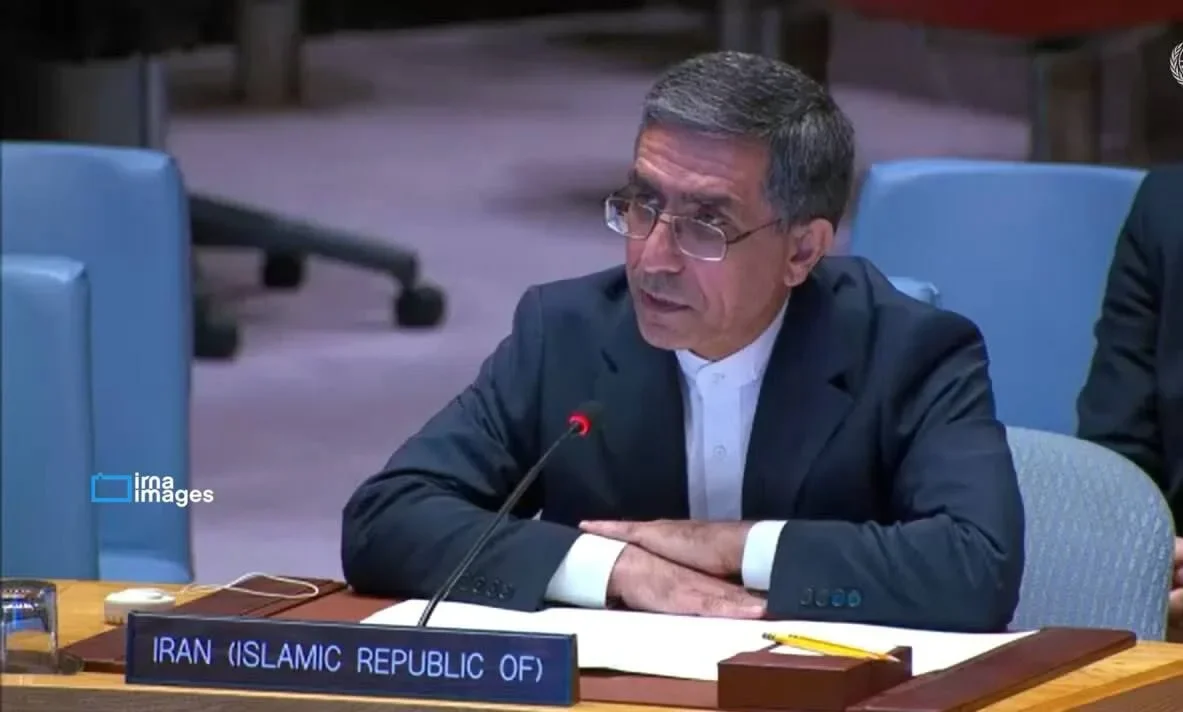
Iran's Ambassador and Chargé d’Affaires to the United Nations, Gholamhossein Darzi, has underscored the critical importance of sustained international engagement with Afghan officials. Speaking from New York, Darzi stated that Tehran is closely observing developments within Afghanistan and believes that continued dialogue is essential for promoting stability and effectively addressing the multifaceted challenges confronting the nation. This call comes at a time of significant flux in the region, where international attention is often divided.
Darzi's remarks highlight Iran's perspective on the need for a coordinated global approach to Afghanistan's future. The emphasis on engagement suggests a belief that isolation is counterproductive and that constructive dialogue can lead to better outcomes for both Afghanistan and its neighbors. The direct impact on Iranian readers could manifest in expectations regarding border security, potential trade route developments, and the broader regional stability that influences investor confidence and currency markets.
---
Fed Hikes Rates for First Time in Three Years, Signals Caution
The U.S. Federal Reserve has implemented its first interest rate increase in three years, raising its benchmark rate by a quarter percentage point to a range of 3.75%-4.0%. This move signals a significant shift in monetary policy as the central bank grapples with persistent inflation. Fed Chair Jerome Powell stated that the committee is focused on price stability, noting that inflation is not yet moving towards their objective. Despite the hike, there is division among Fed officials regarding future policy, with guidance split on the pace and extent of further increases.
This decision carries substantial implications for global markets and the U.S. economy. Analysts suggest that while the Fed is not currently envisioning an aggressive tightening cycle, further hikes are possible, contingent on upcoming inflation reports and energy prices. The immediate effect for Iranian markets and readers could be felt through shifts in global risk appetite, potential impacts on international trade finance, and broader sentiment influencing currency valuations, although the direct impact on the Toman may be more nuanced.
---
US Approves Major Arms Package for Israel Amidst Regional Tensions
Reports indicate that Washington is on the verge of approving a substantial $2.8 billion arms package for Israel, featuring some of the most destructive munitions available. The sale includes 40,000 one-ton bombs, such as MK-84s and BLU-117s, and I-2000 Penetrator warheads. This significant military transfer underscores the ongoing U.S. commitment to Israel's security and comes amidst heightened tensions in the Middle East.
The scale of the munitions package is notable, representing one of the largest such sales in recent years. For Iranian readers, this development intensifies concerns about regional militarization and potential escalations. It could reinforce existing geopolitical anxieties, potentially influencing currency sentiment and investor caution due to perceived increases in regional instability. The flow of advanced weaponry into the region is a recurring factor that impacts perceptions of risk and security, with downstream effects on economic confidence.

---
Palestinian Activist Arrested at Florida Budget Hearing
In Florida, Palestinian-American activist and legal scholar Noura Erakat was arrested at a Palm Beach county budget hearing. Erakat and others were forcibly removed by law enforcement when they attempted to speak out against the county's significant investments in Israeli bonds. The mayor had reportedly shortened speaking times and banned discussions related to these investments, leading to the confrontation.
This incident highlights the ongoing activism and debate surrounding municipal investments in foreign entities, particularly concerning the Israeli-Palestinian conflict. While seemingly a local U.S. political event, such actions can resonate globally, influencing public discourse and potentially impacting broader diplomatic relations or corporate social responsibility considerations. For Iranian readers, it may serve as a point of reference in discussions about international solidarity and the complexities of geopolitical issues influencing global financial flows and advocacy.
Frequently Asked Questions
What is Iran's stance on the situation in Afghanistan?
What was the Federal Reserve's recent monetary policy decision?
What is the value of the US dollar against the Iranian Toman today?
What significant arms sale is reportedly being approved by the US for Israel?
How Federal Reserve Rate Hikes Ripple Through Emerging‑Market Currencies
When the U.S. Federal Reserve raises its policy interest rate, the effect is not confined to American borrowers. Higher rates make dollar‑denominated assets more attractive, prompting investors to shift capital from riskier markets into U.S. Treasury bonds and other safe‑haven instruments. This capital outflow puts downward pressure on the currencies of emerging economies, which often carry debt in dollars and rely on foreign investment to fund growth.
The mechanism works through three linked channels. First, the stronger dollar raises the local‑currency cost of servicing external debt, squeezing corporate profit margins and government budgets. Second, higher U.S. rates raise global financing costs, making it more expensive for emerging‑market firms to obtain loans, which can slow investment and dampen economic activity. Third, the perception of tighter global liquidity fuels speculative attacks on vulnerable currencies, sometimes triggering sharp devaluations.
For countries like Iran and Afghanistan, which already face sanctions, limited foreign‑exchange reserves, and political uncertainty, a Fed‑driven dollar surge can exacerbate inflation and reduce purchasing power. Policymakers may respond by tightening domestic monetary policy, raising interest rates, or imposing capital controls—measures that can further strain growth. Understanding this transmission helps explain why a single decision in Washington reverberates across the globe, shaping geopolitics, trade balances, and even the feasibility of arms deals that depend on stable financing.
Historically, episodes such as the “taper tantrum” of 2013 and the rapid rate hikes of 2022‑2024 showed how quickly emerging‑market currencies can lose value, sometimes by 20‑30 % within months. The lesson for investors and governments alike is to monitor U.S. monetary policy closely, diversify financing sources, and build foreign‑exchange buffers to mitigate the shock of future rate moves.