
Seoul Defies Trump on Iran Conflict as IRGC Seizes Tanker in Hormuz
نه قاطع کره جنوبی به ترامپ همزمان با توقیف نفتکش در تنگه هرمز
South Korea’s president has explicitly rejected Donald Trump’s calls for military support in a potential war against Iran, citing the risk of regional escalation. Meanwhile, the IRGC has seized a foreign tanker in the Strait of Hormuz, adding fresh volatility to a market where Brent crude remains stubbornly above $100.
At time of publishing
USD
228,600
Toman
Gold 18K
23.50M
Toman / gram
Bitcoin
$77,480
US Dollar
Tether
227,515
Toman
South Korea Defies Trump’s Pressure Over Iran Deployment
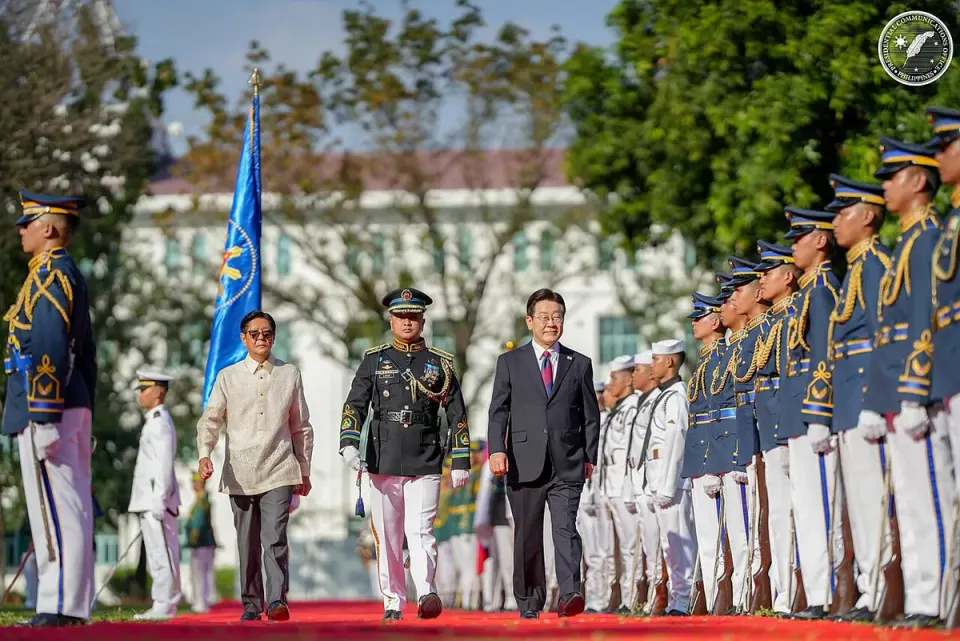
In a significant blow to the Trump administration’s efforts to build a global coalition against Tehran, South Korean President Lee Jae Myung has officially declared that Seoul will not deploy its military to support any U.S.-led war in Iran. Speaking at a news conference on Friday, Lee emphasized that South Korea would not allow its assets to be drawn into a conflict that could destabilize the Middle East and jeopardize global energy security. This move directly resists intense pressure from President Donald Trump, who has been seeking military and financial commitments from key allies to bolster his aggressive stance in the region.
This decision marks a pivotal moment in the U.S.-South Korea alliance, as Seoul prioritizes its own diplomatic and economic stability over Washington's geopolitical objectives. For Iranian readers, this suggests a potential fracture in the international 'Maximum Pressure' campaign. If major economies like South Korea refuse to participate in military escalations, the efficacy of U.S. threats may diminish, potentially easing some of the extreme geopolitical risk premiums currently baked into the Iranian Toman and regional markets.
IRGC Seizes Tanker in Hormuz Amid Regional Tensions
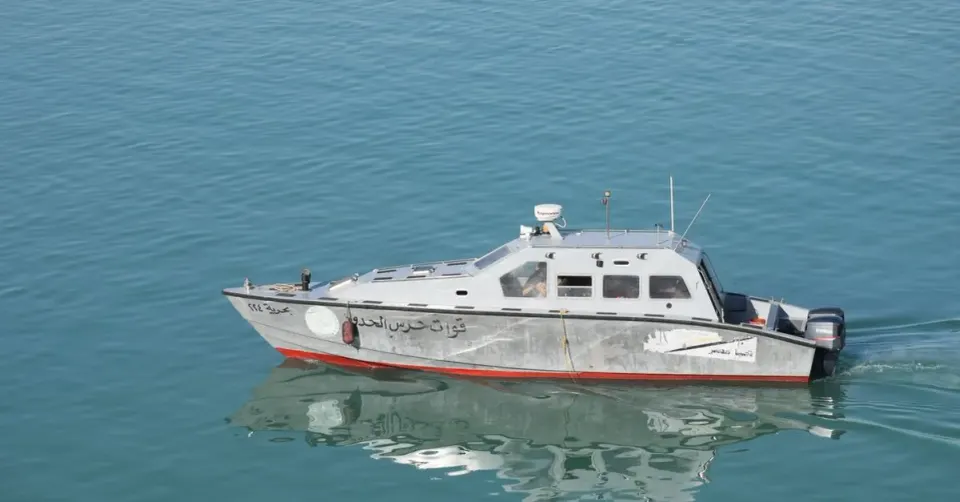
The Islamic Revolution Guards Corps (IRGC) Navy has announced the seizure of a Togo-flagged tanker named 'Trend' in the Strait of Hormuz. According to Iranian state media reports citing naval commanders, the vessel was stopped for what was described as an 'illegal passage' and violations of maritime regulations. While the specific nature of the violation remains vague, the timing of the seizure coincides with heightened naval activity in the Persian Gulf and ongoing disputes over oil shipping lanes.
This incident has immediate implications for global energy markets. Brent crude is currently trading at $103.65 per barrel, and while fears of a total supply cutoff have slightly eased, the persistent instability in the Strait of Hormuz keeps prices elevated. For the Iranian domestic market, such escalations often lead to a short-term spike in the price of gold and hard currency as local investors seek 'safe haven' assets. Gold 18k in Iran has already moved from 23,362,112 to 23,500,623 Toman (+0.6%) over the last 24 hours, reflecting this underlying anxiety.
The Political Revolving Door: Tom Watson Joins Palantir
In the world of technology and governance, former UK Labour deputy leader Tom Watson has joined the controversial U.S. AI firm Palantir. This move comes as Palantir, led by Alex Karp, seeks to expand its footprint in the British public sector, including a massive £330m contract with the NHS. Watson’s appointment is seen as a strategic play to navigate the political landscape in London, where the company faces significant pushback from figures like London Mayor Sadiq Khan over the use of AI in policing.
Palantir’s deep involvement in government data and surveillance technology makes this more than just a corporate hiring story. It highlights the growing influence of 'Big Data' companies in shaping national policy. For those following the global AI race, this underscores how former political heavyweights are increasingly being recruited to shield tech giants from regulatory scrutiny. As AI becomes a central tool in both domestic governance and international intelligence, the lines between private enterprise and state power continue to blur.
US Midterms: Early Voting Begins Under Shadow of War
Early voting for the U.S. midterm elections officially began this Friday, with millions of Americans heading to the polls six weeks ahead of the November 3rd deadline. These elections are widely viewed as a referendum on President Donald Trump’s domestic and foreign policies, including his confrontational approach toward Iran. Voters are currently balancing concerns over a domestic cost-of-living crisis against the potential for a full-scale military conflict in the Middle East, which many fear would further drive up energy prices and inflation.
For the global economy, the outcome of these midterms will determine whether Republicans maintain control of Congress, providing a mandate for Trump’s agenda, or if a Democratic shift leads to more oversight and potential policy pivots. In the crypto markets, Bitcoin (BTC) is currently holding at $77,480, as traders remain cautious ahead of the political uncertainty. Any sign of a shift in U.S. foreign policy could lead to significant volatility in the USD/IRR rate, which currently sits at 228,600 Toman, as the market weighs the possibility of renewed diplomacy versus continued escalation.
Frequently Asked Questions
چرا کره جنوبی درخواست ترامپ برای اعزام نیرو را رد کرد؟
توقیف نفتکش ترند چه تاثیری بر بازار نفت داشته است؟
چرا استخدام تام واتسون توسط شرکت پالانتیر اهمیت دارد؟
The Strategic Importance of the Strait of Hormuz
The Strait of Hormuz is a narrow waterway that links the Persian Gulf with the Gulf of Oman and the open Indian Ocean. At its narrowest point it is only about 21 nautical miles wide, making it one of the world’s most congested maritime chokepoints. Roughly 20% of global oil consumption – and an even larger share of petroleum products – passes through the strait each day, giving the waterway outsized influence over international energy prices.
Because of its critical role in the flow of oil, the strait has long been a flashpoint for geopolitical tension. Iran, which controls the northern shore, has repeatedly threatened to close the passage in response to sanctions or perceived aggression, while the United States and its allies maintain a naval presence to ensure freedom of navigation. Notable incidents include the 1988 “Tanker War” during the Iran‑Iraq conflict, the 2011 seizure of the British‑flagged vessel St. Bartholomew, and the 2024 IRGC capture of a tanker near Hormuz that sparked renewed diplomatic warnings.
The economic ripple effects of any disruption are immediate. A temporary closure can push Brent crude and U.S. West Texas Intermediate (WTI) prices up by several dollars per barrel within hours, while gold often rallies as investors seek safe‑haven assets. Moreover, countries heavily dependent on Gulf oil – such as Japan, South Korea, and India – must adjust their supply chains, sometimes turning to alternative routes like the Suez Canal, which adds cost and time.
Understanding the strait’s strategic calculus helps explain why seemingly distant events – from South Korean diplomatic statements to U.S. mid‑term election rhetoric – are closely watched by market participants. The interplay of naval power, international law (the United Nations Convention on the Law of Sea), and energy economics makes Hormuz a barometer of broader Middle‑East stability.
For policymakers and investors alike, the key takeaway is that the Strait of Hormuz is not just a geographic narrowness; it is a linchpin of the global energy system whose security—or lack thereof—can reshape commodity markets, influence diplomatic postures, and affect everyday fuel prices worldwide.