UN Report: US Strike on Iranian School Potentially War Crime; Markets Stable
گزارش سازمان ملل: حمله آمریکا به مدرسه ایرانی احتمالا جنایت جنگی؛ بازارها باثبات
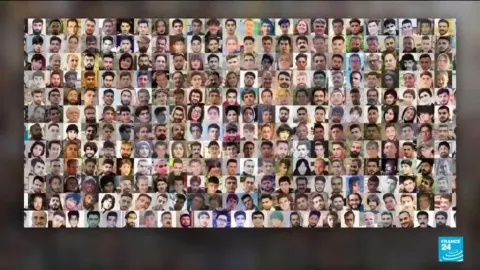
A new UN report suggests a US strike on an Iranian school may have constituted a war crime, citing negligence beyond mere error. Meanwhile, global markets show resilience, with the Iranian Toman experiencing a slight depreciation against the US dollar.
At time of publishing
USD
228,600
Toman
Gold 18K
23.36M
Toman / gram
Bitcoin
$76,516
US Dollar
Tether
227,977
Toman
UN Report Alleges US Strike on Iranian School May Be War Crime
A United Nations investigative mission has concluded that a U.S. strike on an Iranian school, which resulted in the deaths of over a hundred children, may have crossed the line into a war crime. The report details that the "mistakes" leading to the tragedy "went beyond negligence," suggesting a level of culpability that warrants further investigation into potential violations of international humanitarian law. This finding, if substantiated, could have significant diplomatic repercussions and further strain relations between the United States and Iran, particularly given the existing tensions in the region.
The report also highlighted a separate strike on the same day that reportedly claimed the lives of 22 civilians. While U.S. officials have not yet issued a formal response to the UN's findings, the detailed nature of the investigation suggests a thorough examination of the incident. The implications for international law and the accountability of military actions in conflict zones are profound, potentially setting precedents for how such incidents are investigated and judged in the future. For Iran, this report could fuel domestic calls for accountability and international pressure, impacting its broader geopolitical stance.

---
Amazon Data Loss in Iran Linked to Strikes; Data Centers Not Built for War
Amazon Web Services (AWS) has admitted that customer data has been permanently lost due to strikes in Iran, revealing a critical vulnerability in its infrastructure. The company acknowledged that its data centers were not designed to withstand the conditions of conflict, leading to an irretrievable loss of information. This incident raises serious questions about the resilience of cloud services in regions experiencing geopolitical instability and military action.
The permanent loss of data has significant implications for businesses and individuals who relied on AWS services in Iran. It underscores the inherent risks associated with storing critical information in locations susceptible to conflict, even with robust security measures in place. For companies operating in or with ties to Iran, this event highlights the need for comprehensive disaster recovery plans that account for extreme scenarios, potentially leading to increased demand for decentralized or geographically diversified data storage solutions.

---
Taiwan Considers Nuclear Revival Amid Soaring LNG Prices
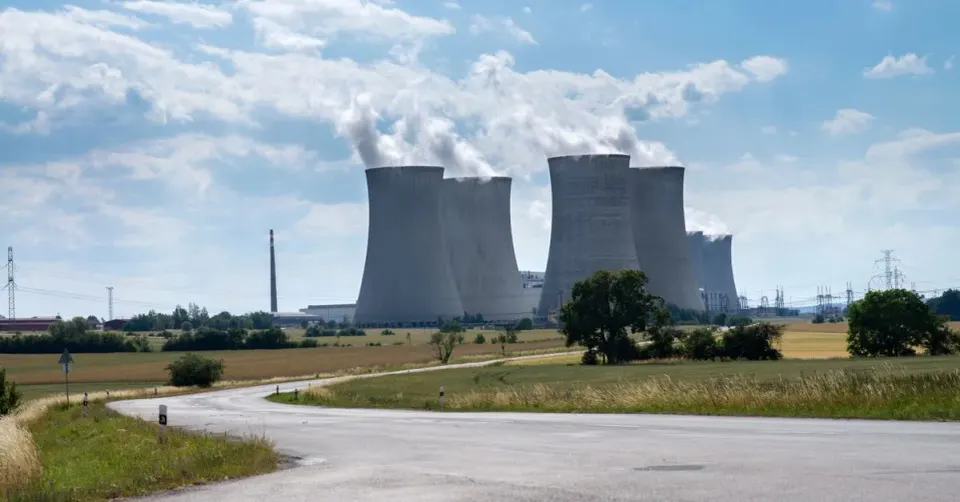
Taiwan is contemplating a return to nuclear power generation as a strategic move to mitigate its increasing reliance on imported liquefied natural gas (LNG) and combat soaring energy prices. The island nation, which had previously phased out its nuclear reactors, is now reassessing its energy portfolio in light of economic pressures and energy security concerns.
This potential shift towards nuclear energy reflects a broader global trend where countries are re-evaluating their energy strategies in response to market volatility and geopolitical risks affecting fossil fuel supplies. The move signifies Taiwan's commitment to ensuring stable and affordable energy, even if the implementation of nuclear power is a long-term endeavor. The economic implications are substantial, potentially impacting regional energy markets and the demand for LNG. For global energy markets, Taiwan's decision could influence future investment in nuclear infrastructure and shift demand away from natural gas.
Frequently Asked Questions
What did the UN report specifically find regarding the US strike on the Iranian school?
What is the implication of Amazon's data loss in Iran?
Why is Taiwan considering a return to nuclear power?
How did the Iranian Toman perform against the US dollar in the last 24 hours?
War Crimes and International Humanitarian Law
International humanitarian law (IHL) is the body of rules that seeks to limit the effects of armed conflict on people and property. At its core are the Geneva Conventions and their Additional Protocols, which define what constitutes a war crime—serious violations such as intentionally targeting civilians, schools, hospitals, or cultural sites. When a state or non‑state actor deliberately attacks a civilian object like a school, the act can trigger investigations by the International Criminal Court (ICC) or ad‑hoc tribunals, and may lead to individual criminal responsibility for commanders and political leaders.
The concept of command responsibility is pivotal: commanders can be held liable not only for orders they give, but also for failures to prevent or punish subordinates who commit war crimes. This principle was famously applied in the Nuremberg Trials after World War II and continues to shape modern prosecutions, as seen in cases involving the conflict in the former Yugoslavia and, more recently, alleged attacks in the Middle East. The UN’s role is often to document alleged violations, issue resolutions, and refer matters to the ICC when the Security Council authorizes it.
Understanding war crimes is essential for interpreting headlines that link military actions to potential legal accountability. While a UN report may flag an incident as a possible war crime, the formal determination requires a thorough investigation, evidence gathering, and often a lengthy judicial process. Nonetheless, the mere labeling can influence diplomatic negotiations, affect a country’s international standing, and shape public opinion about the legitimacy of the use of force.
For students of international relations, grasping IHL provides a framework to assess the legality of military tactics, the protection afforded to civilians, and the mechanisms that the global community employs to enforce compliance. It also highlights the tension between sovereign military decisions and the universal norms that aim to safeguard humanity even in war.