
Japan Shocks Markets with 31-Year Rate High; Seoul Defies Trump Over Iran Deployment
شوک نرخ بهره ژاپن به بازارهای جهانی؛ «نه» قاطع کره جنوبی به ترامپ در مورد ایران
The Bank of Japan has hiked interest rates to levels not seen since the 1990s, while South Korea officially rejected President Trump’s request for military support in the Strait of Hormuz. Meanwhile, Mahan Air’s sudden withdrawal from key regional routes signals a new phase of aviation isolation for Iran.
At time of publishing
USD
228,600
Toman
Gold 18K
23.47M
Toman / gram
Bitcoin
$77,438
US Dollar
Tether
228,421.235
Toman
Market Open — Today's USD/IRR, Gold, and BTC
Good morning from the Arzbin desk. As of 09:30 Tehran time, the currency market remains in a state of watchful waiting. The US Dollar (USD/IRR) opened flat at 228,600 Toman, showing no movement over the last 24 hours. While the currency has stabilized, the gold market is telling a different story. Gold 18k per gram rose by 0.4%, reaching 23,465,995 Toman. This local uptick is a direct reflection of the global gold ounce, which has surged to a staggering $4,386.30, acting as a powerful hedge against global geopolitical uncertainty.
In the crypto space, Bitcoin (BTC) is showing resilience, trading at $77,438. Despite some reports of weak demand from corporate treasuries—who only added about 5,900 BTC to their holdings over the last quarter—the price remains near all-time highs. For the Iranian investor, the message this morning is clear: while the Rial is holding its breath, the global flight to safety in gold is the primary driver of domestic asset appreciation today.
The Yen’s Revenge: Japan Hits 31-Year Rate High
In a move that has reverberated across global trading floors, the Bank of Japan (BoJ) has raised its benchmark interest rate to 1.25%. This might sound low by Iranian standards, but for Japan, this is a 31-year high. The decision is a bold attempt by Governor Kazuo Ueda to combat rising inflation and stabilize the Yen. For decades, Japan was the world’s source of "free money" due to its zero or negative interest rates, fueling the famous "carry trade" where investors borrowed Yen cheaply to buy higher-yielding assets elsewhere.

This rate hike signals the definitive end of that era. As the BoJ pledges to counter inflation risks, global liquidity is tightening. For the average investor, this means the cost of borrowing globally is structurally shifting upward. We are seeing the Yen strengthen, which could put pressure on US tech stocks and other risk assets that were previously buoyed by cheap Japanese capital. It is a reminder that even the most stagnant economies eventually have to pay the piper when inflation comes knocking.
South Korea’s "No" to Trump: A Defiance in the Strait
Geopolitical tensions in the Persian Gulf took a surprising turn overnight as South Korean President Lee Jae-myung officially rejected Donald Trump’s request for military assistance. Trump had reportedly asked for a "little hand"—specifically, the deployment of South Korean troops to the Strait of Hormuz to assist in the ongoing US-led maritime security operations aimed at Iran. Lee Jae-myung’s refusal marks a significant fracture in the decades-old alliance and highlights a growing reluctance among traditional US allies to be dragged into a direct military confrontation.
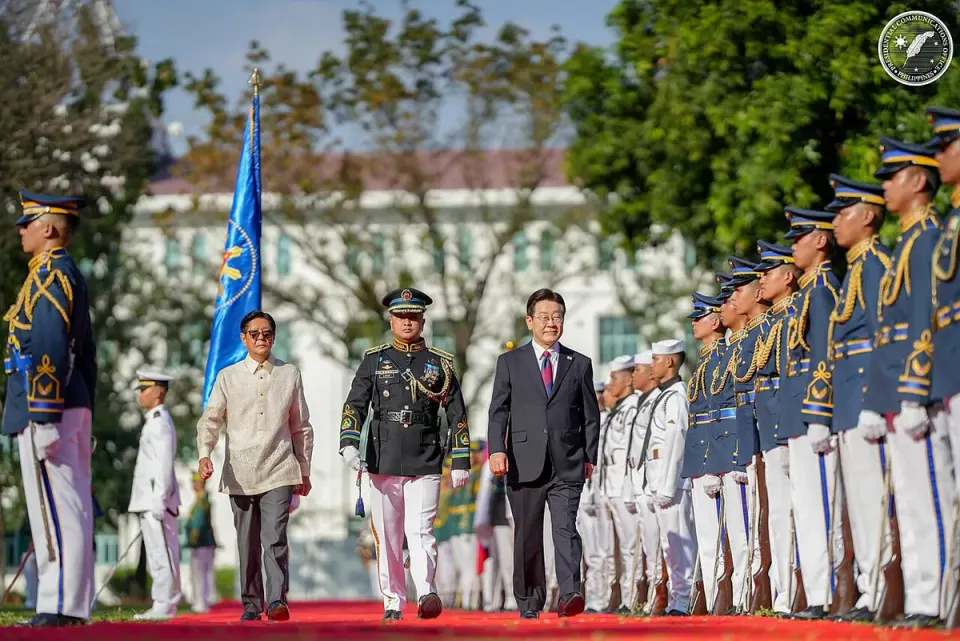
Instead of military escalation, Seoul has signaled its intent to facilitate talks between the US and North Korea, choosing diplomacy over the "war on Iran" narrative. This move provides a temporary sigh of relief for regional stability, as it prevents the formation of a broader international coalition against Tehran in the waterways. However, it also sets the stage for a potential diplomatic row between Seoul and Washington, as Trump’s "America First" policy continues to demand more financial and military contributions from allies.
Mahan’s Grounding: The Tightening Noose on Iranian Aviation
Closer to home, the reality of economic isolation is hitting the tarmac. Mahan Air, one of Iran’s largest carriers, announced it would cease all flights to Turkey and Oman. This decision follows a fresh wave of sweeping US sanctions targeting Iranian airlines, aimed at severing the country’s remaining logistical links to the outside world. Turkey and Oman have long served as vital transit hubs for Iranians traveling to Europe and the West; losing these routes is a massive blow to both personal mobility and commercial trade.

This isn't just about travel inconvenience; it's about the cost of doing business. As Mahan pulls back, the remaining airlines—many of which are already struggling with aging fleets and maintenance issues—will likely hike prices due to reduced competition. The government’s official stance remains defiant, but the practical consequence is clear: the "aviation wall" around Iran is getting taller, making the country’s physical and economic isolation more pronounced than ever before.
Frequently Asked Questions
Why is the Bank of Japan's rate hike important for global markets?
What does South Korea's refusal to send troops to Hormuz mean for Iran?
How will the Mahan Air flight cancellations affect the average Iranian?
Quantitative Tightening: How Central Banks Raise Rates and Shrink Balance Sheets
Quantitative Tightening (QT) is the mirror image of the more familiar quantitative easing. While QE involves a central bank buying government bonds or other securities to inject liquidity into the economy, QT does the opposite: the bank lets its existing holdings mature without reinvestment, or it actively sells assets, thereby pulling money out of circulation. The primary goal is to tighten monetary conditions after a period of stimulus, often to curb inflation or to signal confidence that the economy can stand on its own.
When a central bank reduces the size of its balance sheet, the supply of high‑quality safe assets—like government bonds—declines. This scarcity pushes yields up, which translates into higher short‑term interest rates for borrowers and savers alike. Japan’s recent decision to raise its policy rate to a 31‑year high is a textbook example: the Bank of Japan paired a modest rate hike with a continuation of its balance‑sheet reduction, sending a clear message that the era of ultra‑easy money is ending.
Higher rates ripple through the financial system. They make holding cash more attractive, dampen demand for riskier assets such as equities and cryptocurrencies, and often strengthen the domestic currency. For commodity markets, a stronger yen can weigh on gold prices, while a tighter global monetary stance can lift the dollar, further pressuring gold and Bitcoin. Understanding QT helps investors anticipate why seemingly unrelated markets—gold, crypto, or airline stocks affected by sanctions—might move in tandem after a central bank’s policy shift.
Policymakers must balance the speed of QT against the risk of choking off growth. If the balance‑sheet runoff is too aggressive, it can trigger a credit crunch, as seen in the early 2000s in the United States. Conversely, a gradual, well‑communicated QT can smooth the transition from stimulus to normalisation, preserving market stability while keeping inflation in check.