
Philippines School Tragedy & Houthi Conflict Fuel Global Risk as Gold Edges Higher
تراژدی در فیلیپین و تشدید بحران یمن؛ طلا در بازار تهران گران شد
A fatal school shooting in the Philippines and a massive refugee exodus from Yemen have spiked geopolitical concerns this hour. Meanwhile, the Iranian gold market saw a 0.4% gain as global investors weigh a terse Federal Reserve and resilient Bitcoin prices.
At time of publishing
USD
228,600
Toman
Gold 18K
23.45M
Toman / gram
Bitcoin
$78,208
US Dollar
Tether
228,053
Toman
Tragedy in the Philippines: A Rising Trend of Violence
At least two people are dead following a school shooting in the Philippines, an event that has sent shockwaves through Southeast Asia. The suspected shooter, identified as a student at the institution, also perished in the incident. This tragedy marks the third high-profile school shooting in the country in recent months, raising urgent questions about security protocols and the psychological toll of regional instability on the youth. Authorities are currently investigating the motives behind the attack, but the recurring nature of these events suggests a deeper systemic issue that the government has yet to effectively address.
From a broader geopolitical perspective, such incidents in a key US ally like the Philippines can impact regional stability and investor sentiment. While not a direct market mover in the same vein as an interest rate hike, the erosion of internal security in emerging markets often leads to a 'risk-off' environment where capital flows toward safer havens. For international observers, the frequency of these attacks is a grim reminder that social volatility remains a potent risk factor in regions previously considered relatively stable compared to their neighbors.

Yemen Refugee Crisis and the Bab el-Mandeb Chokepoint
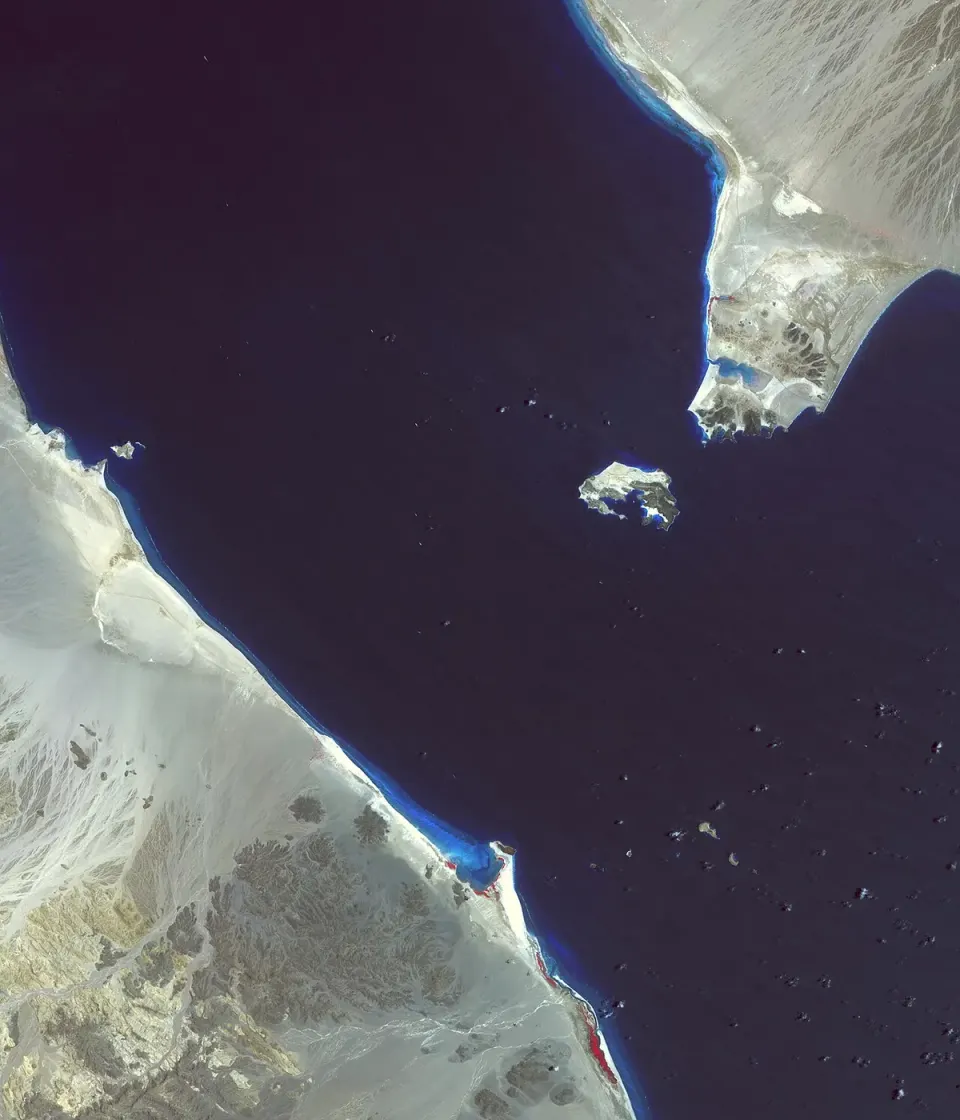
The humanitarian situation in Yemen has reached a new breaking point as over 125,000 people, including tens of thousands of children, flee the latest surge in fighting. The conflict, involving Iran-backed Houthi rebels and the Saudi-allied Yemeni government, has triggered what the UN describes as one of the most volatile waves of displacement in years. Refugees are making the perilous journey across the Bab el-Mandeb strait to Djibouti, often traveling in lethal heat without adequate water. This exodus is a direct consequence of the hostilities that erupted in July, showing no signs of de-escalation as regional powers remain locked in a proxy struggle.
The strategic implications of this crisis extend far beyond the humanitarian disaster. The Bab el-Mandeb strait is a vital artery for global trade, particularly for oil and gas transit. Recent shipping data indicates that tanker traffic through the nearby Strait of Hormuz has slumped significantly, with only four commodity vessels detected transiting on Thursday compared to a 10-day average of 16. As Saudi Arabia scrambles for alternative oil routes and the Houthi presence remains a threat to maritime security, the cost of shipping and insurance is likely to face upward pressure, indirectly impacting global energy prices and Iranian economic expectations.
Gold Gains and Market Resilience Amid Fed Silence
In the Iranian domestic market, gold has shown notable movement this hour. The price of 18k gold rose from 23,362,112 to 23,452,144 Toman, marking a 0.4% increase. This uptick occurs as the US Dollar remains stagnant at 228,600 Toman, suggesting that the drive behind gold's local appreciation is a mix of global spot price strength and domestic hedging. Investors are reacting to a Federal Reserve that has become uncharacteristically terse; the FOMC's latest 130-word statement is its shortest since 2007, a brevity that many analysts interpret as a sign of extreme caution or a lack of clear consensus on future rate paths.
In the digital asset space, Bitcoin has displayed remarkable resilience, trading at $78,208 despite the hawkish undertones of global central banks. While September is historically a weak month for crypto, BTC is on track for its first quarterly gain in a year. The convergence of high-interest rates and geopolitical tension usually favors the dollar, but the current market cycle is seeing a diversification into 'hard assets' like gold and decentralized assets like Bitcoin. For Iranian traders, this multi-front volatility underscores the importance of maintaining a balanced portfolio that accounts for both local currency fluctuations and global commodity shifts.
Russia’s "Veneer of Democracy" and Regional Tensions
Russia is currently holding parliamentary elections that international observers are labeling a "veneer of democracy." With all significant opposition parties and figures barred from running, the vote is seen as a choreographed exercise to consolidate Vladimir Putin's domestic power base amidst the ongoing war in Ukraine. The lack of genuine political competition has led to widespread criticism from Western governments, further isolating Moscow from the global diplomatic community. This internal consolidation is expected to provide Putin with the political mandate to continue his current foreign policy trajectory, which has deep implications for global energy markets and security alliances.
For Iran, the outcome of these elections and the subsequent stability of the Russian administration are of critical importance. As Tehran and Moscow deepen their economic and military ties, any shift in Russian domestic policy or its ability to project power abroad directly affects Iran's strategic depth. The current "loyalist-only" ballot ensures that the Russo-Iranian axis will likely remain intact for the foreseeable future, even as both nations face intensifying international sanctions and economic pressure. This alignment continues to shape the multipolar world order that Iranian officials frequently champion in public rallies.
Frequently Asked Questions
چرا قیمت طلا در ایران رشد کرد در حالی که دلار ثابت بود؟
کاهش ترافیک تانکرها در تنگه هرمز چه تأثیری بر بازار دارد؟
وضعیت بیتکوین در برابر سیاستهای فدرال رزرو چگونه است؟
Understanding Safe-Haven Assets Amidst Global Uncertainty
In an increasingly volatile world, marked by geopolitical tensions and economic shifts, investors often seek refuge in what are known as safe-haven assets. These are investments expected to retain or even increase in value during periods of market turbulence, economic downturns, or political instability, offering a shield against potential losses in riskier assets like stocks. The recent news of rising gold prices amidst various global conflicts and regional risks perfectly illustrates the role these assets play in investor psychology and market dynamics.
Gold stands out as the archetypal safe-haven asset, a status it has held for centuries. Its appeal stems from several intrinsic characteristics: it is a tangible, universally recognized store of value that is not tied to the fiscal or monetary policies of any single government. Unlike fiat currencies, gold cannot be printed at will, which helps preserve its value against inflation and currency debasement. When conflict erupts, such as those impacting crucial shipping lanes like the Bab el-Mandeb or Strait of Hormuz, or when broader geopolitical risks emerge, the perceived stability of traditional financial systems diminishes, driving investors towards the enduring safety of gold.
The mechanism is straightforward: as global risks escalate—whether from regional conflicts, humanitarian crises, or major political uncertainties—investors tend to shed assets perceived as risky. This "flight to safety" creates increased demand for safe-haven assets. For instance, the threat of disruptions to global trade routes can trigger concerns about economic growth and corporate profits, making equities less attractive. Simultaneously, the uncertainty can weaken currencies tied to affected regions. Gold, in contrast, often sees its price appreciate as capital flows into it, reflecting its role as a reliable store of wealth when other investments falter.
While gold is the most prominent, other assets can also exhibit safe-haven characteristics, such as certain government bonds (like U.S. Treasuries or German Bunds) or strong reserve currencies (like the Japanese Yen or Swiss Franc). However, gold's unique historical and cultural significance, coupled with its physical nature, often gives it an edge during extreme uncertainty. Understanding safe-haven assets is crucial for comprehending how global events, from regional conflicts to political shifts, translate into shifts in financial markets and investor behavior.
Topics
Related Articles