Gaza 'Double-Tap' Strike and UN War Crime Probe Fuel Regional Tension as US Midterms Begin
گزارش تکاندهنده از غزه و اتهام جنایت جنگی علیه آمریکا؛ سایه سنگین تنشها بر بازار تهران
Witnesses in Gaza describe a devastating 'double-tap' strike that claimed the lives of a child and a medic, while a UN probe suggests US strikes in Iran may constitute war crimes. These escalations, coupled with the start of US midterm voting focused on the 'Iran war,' are keeping Iranian markets in a state of high-alert stability.
At time of publishing
USD
228,600
Toman
Gold 18K
23.37M
Toman / gram
Bitcoin
$78,041
US Dollar
Tether
228,410.719
Toman
The Horror of 'Double-Tap' Strikes in Gaza
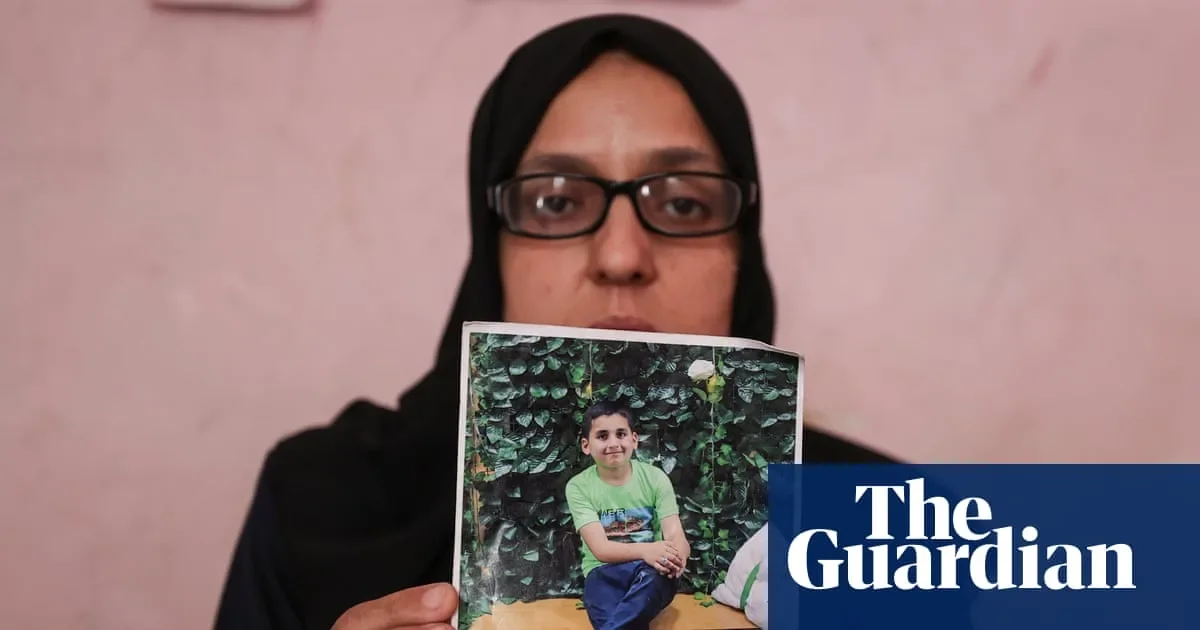
Witnesses in northern Gaza have provided harrowing accounts of what is known as a 'double-tap' strike, a tactic where an initial explosion is followed by a second strike targeting those who rush to help the wounded. In a recent incident on Salah Khalaf Street, 15-year-old Mohammad Abdul Zinati was reportedly killed while attempting to assist a man wounded in a prior blast. This tactic has drawn intense international scrutiny, as it often results in the deaths of first responders and civilians. The Israeli military has stated the incident is under review, maintaining its standard position that it does not deliberately target civilians and assesses risks before every strike.
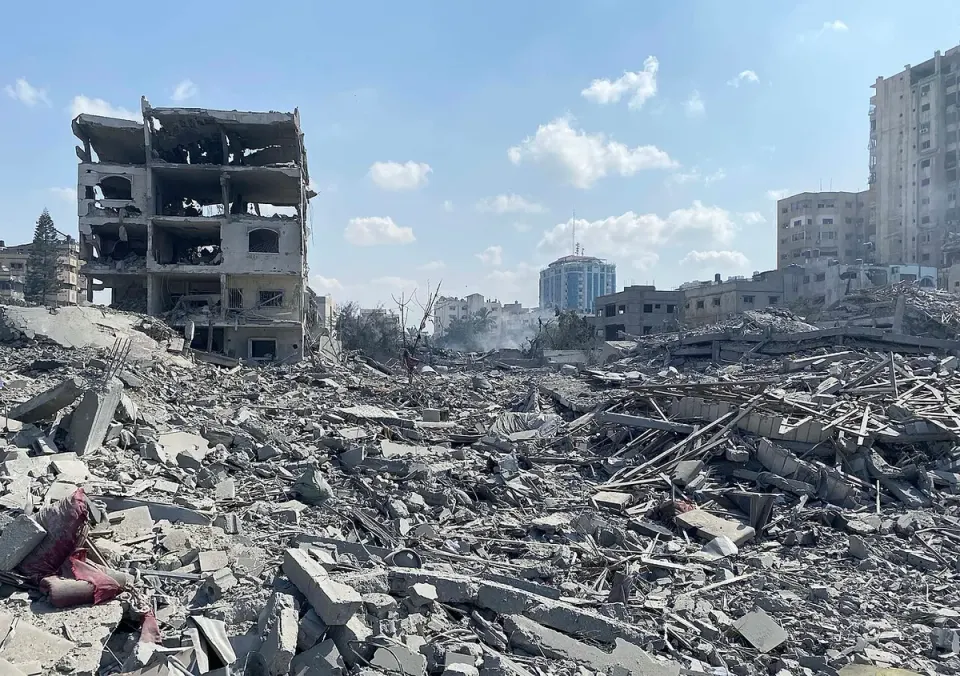
This escalation in Gaza occurs alongside a bombshell report from a United Nations probe, which suggests that the United States may have committed war crimes during its operations in Iran. The probe specifically points to strikes on a school and a sports center that resulted in the deaths of children. While the White House has categorically rejected these findings, the UN's assertion adds a significant layer of legal and diplomatic pressure on Washington. For Iranian observers, these reports reinforce a sense of being caught in a broader regional conflict where civilian infrastructure is no longer off-limits, further straining the already fragile possibility of diplomatic de-escalation.
US Midterms: The 'Iran War' Takes Center Stage
As early voting begins for the US midterm elections, the political landscape is being dominated by two primary concerns: the domestic cost of living and the ongoing 'Iran war.' The Trump administration has shifted its campaign focus toward these issues, using the conflict as a pivot point for broader geopolitical strategy. Notably, Donald Trump has intensified his criticism of allies like South Korea, accusing Seoul of providing insufficient support for the military efforts against Iran. This rhetoric has already led to a scaling back of joint military drills, signaling a potential shift in US-Pacific alliances if his party secures control of Congress.

The focus on the Iran conflict in US politics is having a direct, albeit stabilizing, effect on the Iranian Rial. The USD/IRR exchange rate remained unchanged today at 228,600 Toman, reflecting a market that is 'pricing in' the current level of hostility but waiting for a clear signal from the US electorate. Traders are hesitant to take major positions until the direction of US foreign policy becomes clearer. This 'wait-and-see' approach is also visible in the gold market, where the Emami coin held steady at 232,000,000 Toman, despite global gold prices hitting weekly highs of $4,381.20 per ounce due to fading inflation concerns in the West.
Tech Opportunities Amidst a Sideways Market
While geopolitics remains volatile, the financial sector is seeing a unique set of opportunities. Analysts at Truist suggest that the current 'sideways' market—where prices move within a tight range without a clear trend—is creating entry points for technology stocks not seen since the initial launch of ChatGPT. This 'reset' in tech valuations, combined with rising earnings, makes the sector increasingly attractive to institutional investors. Even as Bitcoin (BTC) trades at $78,041 and XRP approaches a 'golden cross'—a bullish technical indicator—the broader market focus is shifting toward companies that can demonstrate tangible earnings growth in an AI-driven economy.

In Iran, this global tech optimism is tempered by domestic realities. The case of actress Laleh Marzban, who faces severe threats from state authorities after dedicating her Venice Film Festival award to the women of Iran, serves as a reminder of the ongoing internal social pressures. Her film, 'Falling House,' which depicts women incarcerated in their own homes, has become a flashpoint for state media condemnation. For the average Iranian, these cultural and political tensions are inseparable from the economic environment, as social stability remains a prerequisite for long-term market confidence and investment.
Frequently Asked Questions
تاکتیک حمله ضربه دوگانه (Double-Tap) چیست؟
چرا بازار ارز ایران با وجود تنشهای شدید ثابت مانده است؟
اتهام جنایت جنگی سازمان ملل علیه آمریکا مربوط به کدام حوادث است؟
Understanding War Crimes and International Humanitarian Law
War crimes are grave breaches of the laws of war, formally known as International Humanitarian Law (IHL). These laws are a set of international rules that seek to limit the effects of armed conflict for humanitarian reasons. They protect persons who are not or are no longer participating in hostilities and restrict the means and methods of warfare. The fundamental purpose of IHL is to strike a balance between military necessity and humanitarian considerations, ensuring that even in the chaos of conflict, certain basic standards of human dignity and protection are upheld.
Key principles of IHL include distinction, proportionality, and precaution. The principle of distinction requires combatants to differentiate between military objectives and civilian objects, and between combatants and civilians, ensuring that only military objectives and combatants are targeted. Proportionality dictates that an attack expected to cause incidental loss of civilian life, injury to civilians, or damage to civilian objects, which would be excessive in relation to the concrete and direct military advantage anticipated, is prohibited. Precaution mandates that all feasible precautions must be taken to avoid, or at least minimize, civilian harm.
The concept of a 'double-tap' strike, often referring to a second attack on the same target shortly after an initial strike, particularly when first responders or civilians are arriving to aid victims, raises significant concerns under IHL. Such tactics are scrutinized for potential violations of proportionality and distinction, as they can deliberately target or inflict excessive harm on those providing assistance or on civilians drawn to the scene. Attacking individuals or groups rendering humanitarian aid, or those who are hors de combat (out of combat), can constitute a war crime.
Investigations into alleged war crimes, such as the UN probe mentioned in the headline, are crucial for upholding IHL and ensuring accountability. International bodies like the United Nations and the International Criminal Court (ICC) play vital roles in documenting, investigating, and prosecuting individuals responsible for war crimes. Understanding these mechanisms and the underlying principles of IHL is essential for comprehending the complexities of international conflicts and the ongoing efforts to mitigate their human cost and ensure justice.