Pezeshkian Hails 'Jan-Fada' Solidarity as Tehran Pivots Toward a Multipolar Economic Order
ستایش پزشکیان از همبستگی ملی در رزمایش «جانفدا»؛ تأکید قالیباف بر پایان عصر جهان تکقطبی
President Pezeshkian praises national unity following the Jan-Fada rally, while Parliament Speaker Ghalibaf signals a deeper alliance with China and Russia. Meanwhile, global markets react to shifting AI regulations and a surprising bounce in UK retail figures.
At time of publishing
USD
228,600
Toman
Gold 18K
23.46M
Toman / gram
Bitcoin
$77,896
US Dollar
Tether
228,049
Toman
National Solidarity and the 'Jan-Fada' Narrative
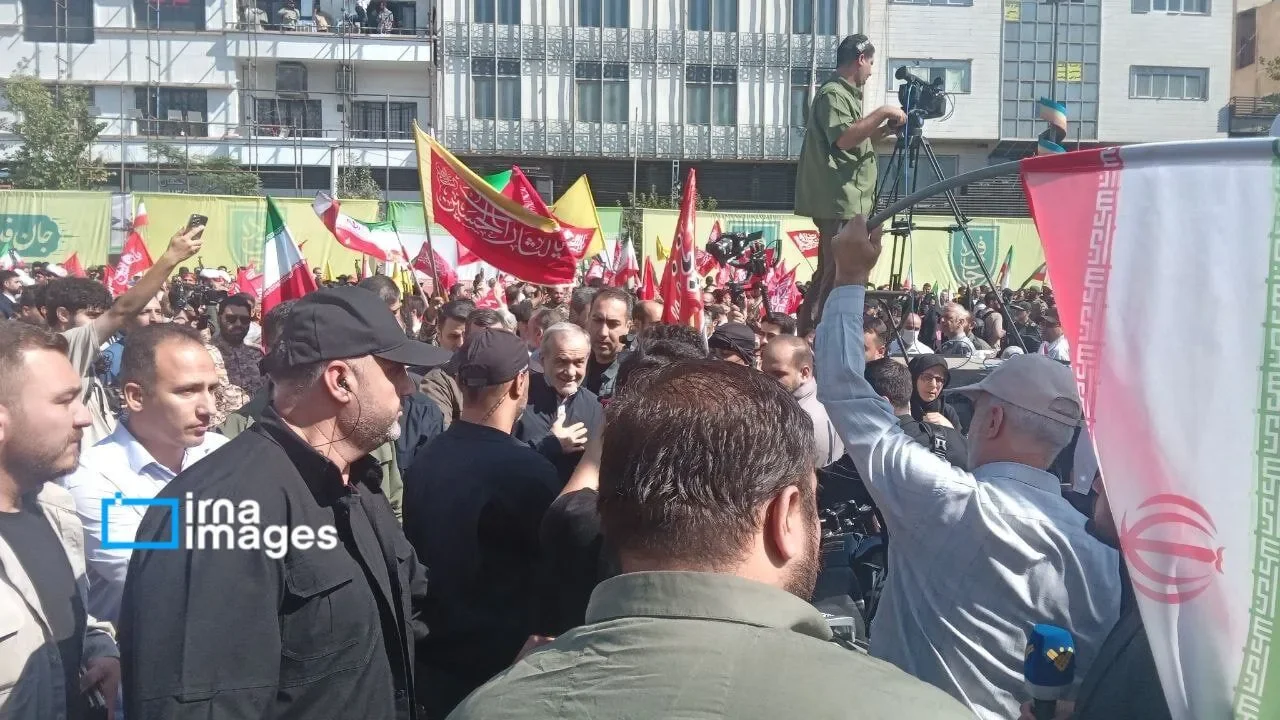
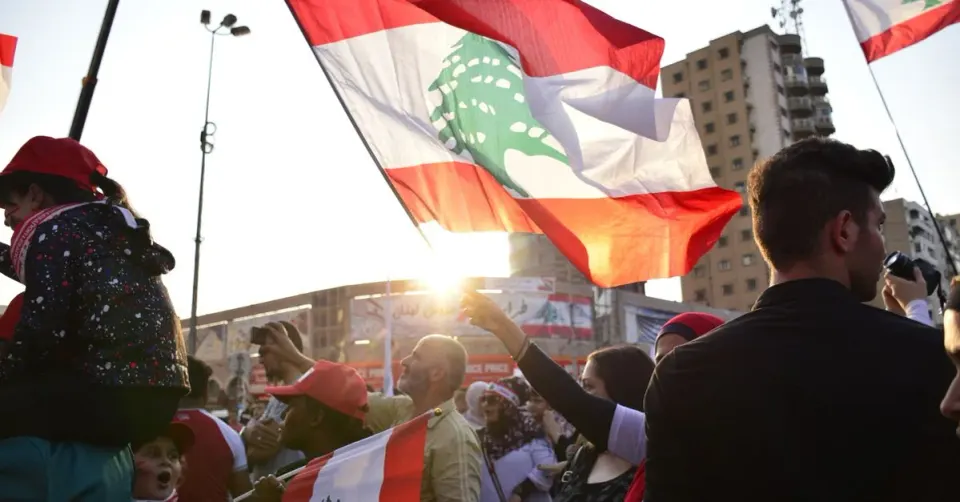
President Masoud Pezeshkian has publicly lauded the 'Jan-Fada' rally in Tehran, characterizing the event as a profound demonstration of national cohesion and loyalty. The rally, which translates to 'Life-Sacrificing,' comes at a time when the Iranian administration is seeking to project a front of domestic stability amidst ongoing regional tensions and economic pressure. By framing the public gathering as a commitment to protecting the country, Pezeshkian is attempting to consolidate his base and signal to international observers that the internal political landscape remains unified despite external sanctions.
This emphasis on solidarity is not merely symbolic; it serves as a psychological anchor for a population grappling with high inflation and a stagnant currency market. In the streets of Tehran, such rallies are often used by the state to gauge public sentiment and to reinforce the narrative that the current hardships are a shared burden of national defense. For the average Iranian citizen, however, the message of 'cohesion' is often weighed against the daily reality of the cost of living, where the USD remains fixed at a high 228,600 Toman, creating a gap between official rhetoric and economic experience.
The End of the Unipolar Era: Ghalibaf’s Strategic Shift
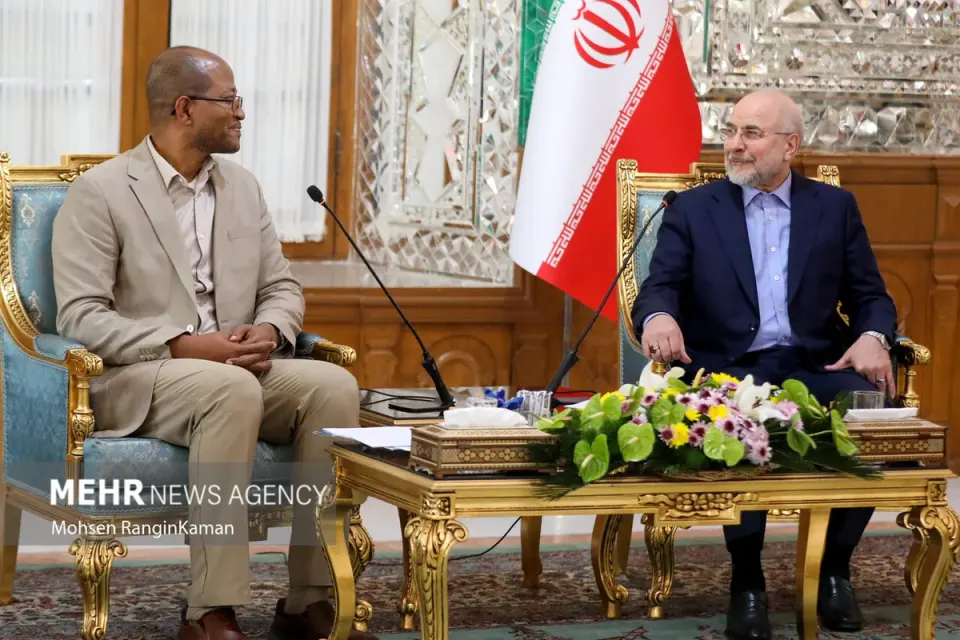
Parallel to the domestic displays of unity, Parliament Speaker Mohammad Bagher Ghalibaf has declared that the era of a 'unipolar world order' is officially over. Speaking in Tehran, Ghalibaf specifically praised the recent actions of China and Russia at the UN Security Council, where their vetoes have increasingly challenged Western-led initiatives. This rhetoric signals a definitive hardening of Iran’s 'Look to the East' policy, suggesting that the administration sees its future security and economic survival tied to a multipolar alliance that bypasses traditional Western financial systems.
This geopolitical pivot is reflected in the energy markets and trade data. As China surges its fuel exports and pushes its coal miners to increase supply to stabilize domestic prices, Iran views these shifts as opportunities to integrate into an Eastern economic bloc. For the Iranian markets, this means a continued reliance on non-dollar trade and a focus on building infrastructure that services the China-Russia axis. The hope within the government is that this shift will eventually provide the 'breathing room' necessary to stabilize the Rial, though for now, the USD/IRR rate remains unchanged at 228,600, showing that the market is still waiting for concrete results from these high-level diplomatic maneuvers.
Global AI Security and the Trump Divergence
In the technology sector, a significant rift is opening between corporate leaders and political figures regarding the future of Artificial Intelligence. OpenAI and other major tech firms have recently submitted warnings to the Australian government, emphasizing that AI risks 'will not stop at national borders' and requiring international coordination. This call for global guardrails stands in stark contrast to the rhetoric of former President Donald Trump, who has reportedly dismissed doomsday AI predictions as a 'hoax.' This divergence creates a volatile environment for tech investors, as the possibility of a fragmented regulatory landscape looms large.
For business leaders and startups, this policy clash means that the next few years could see a 'wild west' of AI development in some jurisdictions, while others impose strict security laws. If the US moves toward a deregulated AI environment under a potential Trump administration, it could trigger a global race to the bottom in terms of safety standards, or conversely, a massive surge in innovation that leaves regulated markets behind. For the Iranian tech community, which is already isolated by sanctions, these global shifts in AI policy are critical to watch, as they will determine the tools and platforms available for the next generation of digital infrastructure.

Market Summary: Gold Gains as Retail Defies Gloom
On the economic front, the Iranian gold market saw a minor uptick today, with 18k gold rising 0.4% from 23,362,112 to 23,463,687 Toman per gram. This slight increase reflects a global trend where investors are seeking safety in precious metals despite a relatively stable currency environment in Tehran. The Emami coin remains steady at 232,000,000 Toman, suggesting that while there is some movement in the raw metal price, the broader speculative market for coins is currently in a 'wait-and-see' mode.
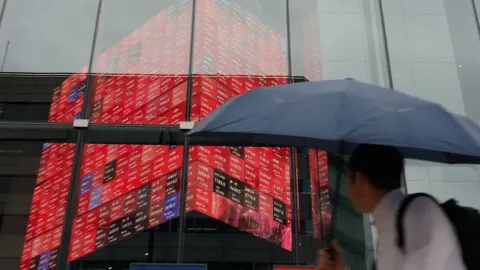
Globally, there were surprising signs of resilience as UK retail sales bounced back by 0.5% in August, defying forecasts of a decline. This suggests that consumer spending may be more robust than analysts feared, potentially delaying interest rate cuts by central banks. For the Iranian reader, these global economic signals are a reminder that while the local market feels isolated, the price of gold and the demand for energy are still deeply tied to the health of the global consumer. As long as retail and industrial demand remains high in the West and East, the floor for commodity prices—and by extension, the cost of imports in Iran—will likely remain elevated.
Frequently Asked Questions
چرا قیمت طلا در ایران علیرغم ثبات دلار افزایش یافت؟
منظور قالیباف از پایان نظم تکقطبی چیست؟
اختلاف نظر ترامپ و OpenAI بر سر هوش مصنوعی چه تأثیری بر بازار دارد؟
Understanding a Multipolar Economic Order
A "multipolar economic order" describes a global system where economic power, influence, and decision-making are distributed among several major centers or "poles," rather than being concentrated in one dominant nation (unipolar) or two rival blocs (bipolar). Historically, the post-Cold War era saw a largely unipolar economic landscape, with the United States and its allies playing a predominant role in global finance, trade, and institutions like the IMF and World Bank. However, recent decades have witnessed the rise of new economic giants, notably China and India, along with strengthening regional blocs such as the European Union and ASEAN, and emerging alliances like BRICS.
This shift towards multipolarity signifies a rebalancing of global economic influence. In such an order, countries have more diverse options for trade partners, investment sources, and financial systems, potentially reducing their reliance on any single currency or economic power. For instance, discussions around de-dollarization – reducing reliance on the U.S. dollar for international transactions and reserves – gain traction in a multipolar environment as nations seek to diversify their financial exposure and assert greater economic sovereignty. This can lead to the increased use of other currencies or the development of alternative payment mechanisms.
The implications of a multipolar economic order are far-reaching. It often fosters increased competition and cooperation simultaneously, as various poles vie for influence while also seeking mutually beneficial trade and investment opportunities. It can lead to the creation of new international institutions or the reform of existing ones to better reflect the new distribution of power. For individual nations, navigating this complex landscape involves carefully balancing allegiances, diversifying economic relationships, and adapting to a world where economic leverage is more broadly distributed, potentially offering both challenges and opportunities for growth and resilience.