JP Morgan Abandons Oil Forecasts Amid Trump-Iran Escalation as Gold Hits 23.4M Toman
بنبست جیپی مورگان در پیشبینی قیمت نفت؛ طلا در بازار تهران به ۲۳.۴ میلیون تومان رسید
JP Morgan analysts admit they cannot forecast oil prices as the Trump administration's conflict with Iran nears unpredictable 'red lines.' Meanwhile, gold prices in Tehran edge higher as global energy uncertainty ripples through local markets.
At time of publishing
USD
228,600
Toman
Gold 18K
23.46M
Toman / gram
Bitcoin
$81,160
US Dollar
Tether
227,009
Toman
JP Morgan’s Forecasting Crisis Amid Regional Conflict
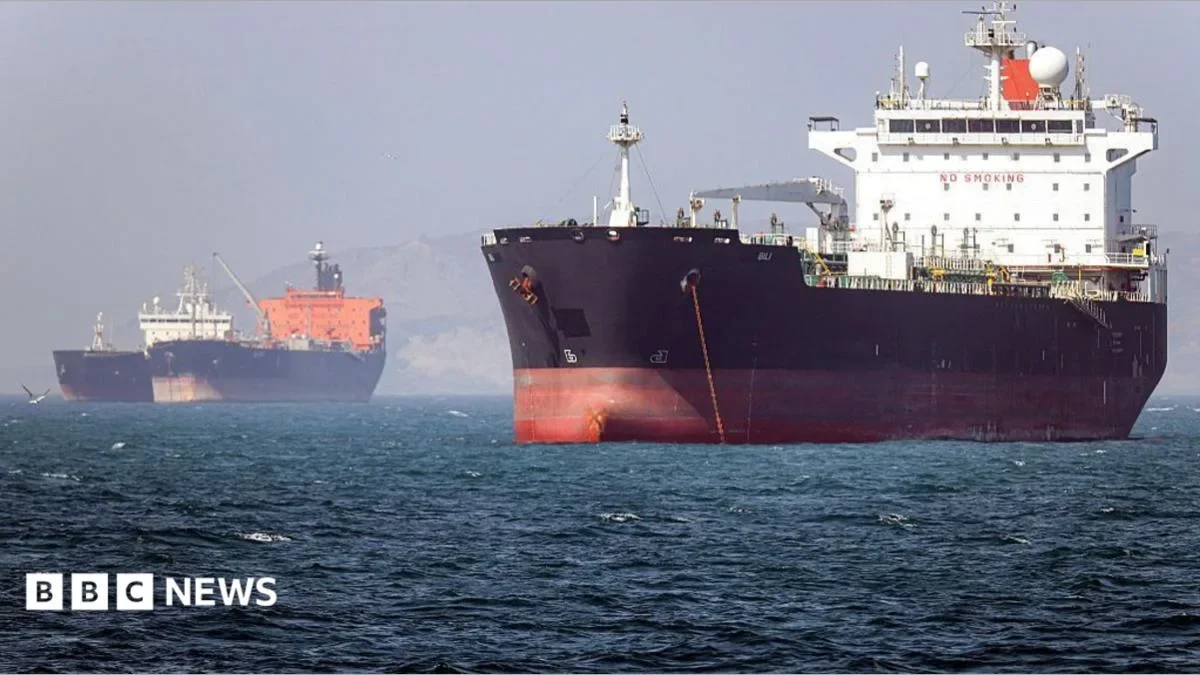
In a candid admission of the current geopolitical chaos, JP Morgan Chase has announced it is struggling to maintain reliable oil price forecasts. The bank’s analysts stated, "We simply don't know" where prices are headed, citing the escalating conflict between the Trump administration and Iran as the primary driver of market opacity. Previously, the financial giant had assumed the United States would respect certain "economic red lines," such as preventing oil from exceeding $100 per barrel to protect domestic inflation targets. However, the current pace of escalation and the unpredictable nature of diplomatic and military maneuvers in the Persian Gulf have rendered those assumptions obsolete.
This lack of clarity is sending shockwaves through global commodities desks. When a tier-one bank admits it cannot model the impact of a major geopolitical event, it signals a period of extreme volatility ahead. For Iranian markets, this uncertainty translates into a direct impact on currency sentiment. As global markets brace for a potential supply shock, the Iranian Toman remains under immense pressure, with traders closely watching whether the US will prioritize its foreign policy goals over global energy stability. The bank's inability to forecast suggests that the 'war'—whether economic or kinetic—has entered a phase where traditional market logic no longer applies.

Saudi Arabia Cuts Europe Off as Red Sea Tension Peaks
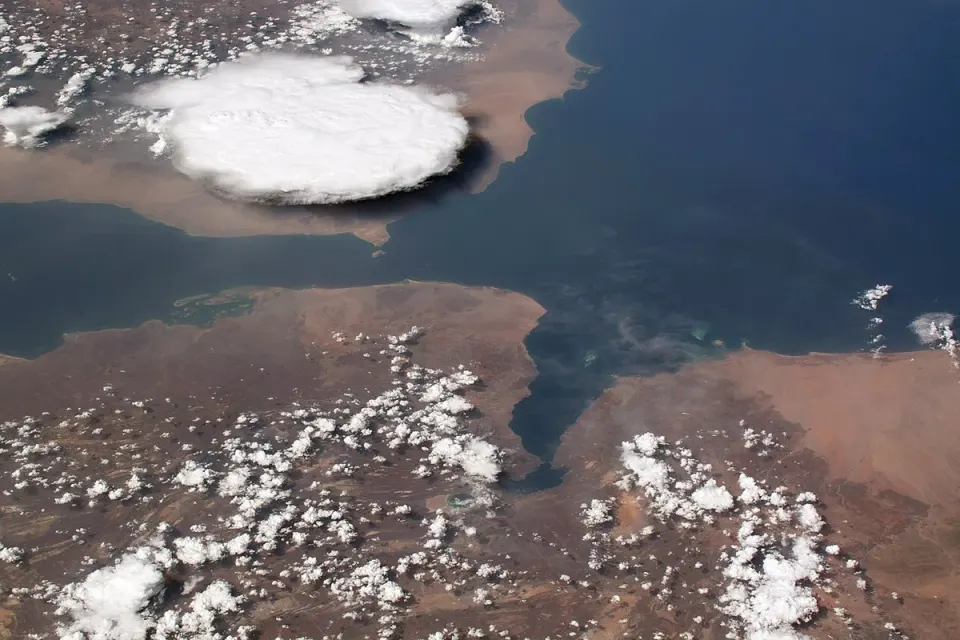
Compounding the global energy anxiety, Saudi Aramco has reportedly informed European customers that they will receive zero crude allocations for the month of October. This drastic move comes as the Kingdom struggles with infrastructure damage to its East-West pipeline and increasing pressure from Iran-backed Houthi rebels. Riyadh is now actively seeking military support from its allies as the rebels tighten their grip on the Bab el-Mandeb shipping choke point. The decision to cut off Europe while pushing nearly 60 million barrels back through the Persian Gulf indicates a major strategic pivot, prioritizing regional logistics over long-standing Western supply contracts.
This shift highlights the growing fragility of the global energy supply chain. By redirecting exports back through the Persian Gulf—a zone already fraught with tension due to recent tanker seizures—Saudi Arabia is effectively doubling down on its regional presence while leaving European refiners to scramble for alternative sources. For the Iranian reader, this signifies a tightening of the regional energy noose; as Saudi Arabia and its allies consolidate their military and logistics positions, the risk of a broader maritime conflict increases, directly affecting the safety of shipping lanes that are vital for Iran’s own limited oil exports.
Local Markets: Gold Rises Amid Global Instability
In the Tehran market, the ripple effects of these global tensions are clearly visible in the price of gold. Gold 18k/gram rose from 23,362,112 to 23,459,070 Toman, a +0.4% increase over the last 24 hours. While the US Dollar remained flat at a sell rate of 228,600 Toman, the movement in gold suggests that local investors are seeking a hedge against the growing uncertainty described by JP Morgan and the shifting energy dynamics in the Gulf. Emami coins remained stable at 232,000,000 Toman, but the underlying demand for bullion remains high as the public anticipates further geopolitical friction.
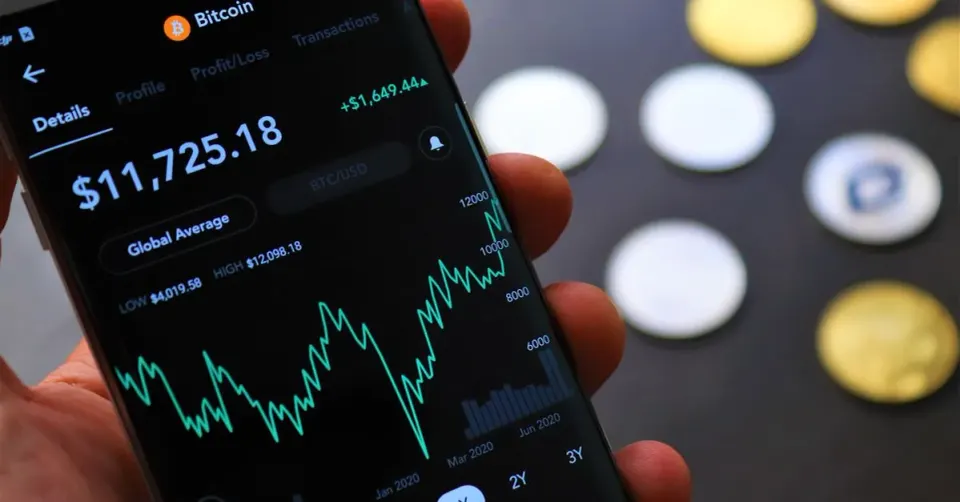
Meanwhile, the cryptocurrency market continues to provide a secondary outlet for capital flight and speculation. Bitcoin (BTC) is currently trading at $81,160, holding onto recent gains despite the broader market's confusion. The intersection of high-tech assets like BTC and traditional safe havens like gold illustrates a bifurcated strategy among Iranian investors: using gold to protect existing wealth against Toman devaluation and using crypto to maintain liquidity and access to the global economy during a period of intensifying sanctions and regional instability.
The 'Silicon Species': AI Moves from Tool to Competitor
The technological landscape is also undergoing a fundamental shift, with Microsoft AI chief Mustafa Suleyman warning that we must stop treating AI as a mere tool. Suleyman’s comments suggest that advanced AI models are becoming a "silicon species" that may eventually compete with humans for resources. This philosophical shift is being met with massive capital investment from the state; the FAA has just announced an $875 million AI tool designed to manage air traffic congestion in Washington D.C. before a planned nationwide rollout. This represents one of the largest direct government investments in operational AI to date, moving the technology from the lab into the core infrastructure of the state.
For global markets, this transition means that AI is no longer just a productivity booster for software companies—it is becoming a critical component of national security and infrastructure. As the US and other powers integrate AI into everything from air traffic to border control, the technological divide between nations will only widen. For countries under heavy sanctions like Iran, the challenge is twofold: maintaining access to the hardware required to run these models while navigating a world where AI agents may soon be making high-stakes decisions about trade, logistics, and even military engagement.
Frequently Asked Questions
Why is JP Morgan unable to forecast oil prices?
Why did Saudi Arabia cut oil exports to Europe?
How has the Tehran gold market reacted to global news?
How Geopolitical Risk Shapes Oil Price Forecasts
Oil prices are notoriously volatile, reacting not only to supply‑and‑demand fundamentals but also to the ever‑shifting landscape of geopolitics. When a major oil‑producing nation announces a production cut, as Saudi Arabia did in early 2024, the immediate effect is a tightening of global supply, pushing futures contracts higher. However, the true magnitude of the price move depends on how traders assess the durability of that cut and the risk of further disruptions.
Geopolitical risk adds a layer of uncertainty that standard econometric models struggle to capture. Events such as the escalation between the United States and Iran, the Houthi attacks on Red Sea shipping lanes, or sanctions on Russian crude can all trigger sharp, short‑term spikes in oil prices. Analysts therefore supplement quantitative forecasts with scenario analysis, assigning probabilities to different political outcomes and adjusting price paths accordingly. This approach helps banks like JP Morgan decide whether to publish a formal outlook or, as in the headline, step back from a forecast altogether.
The feedback loop between market expectations and real‑world actions is also crucial. A higher price forecast can influence governments to release strategic reserves, or prompt OPEC+ to consider additional output adjustments, which in turn moderates the price rise. Conversely, if the market perceives that a forecast is overly pessimistic, traders may short oil futures, forcing prices down. Understanding this dynamic is essential for anyone following commodity markets, as it explains why oil price predictions can swing dramatically in response to a single diplomatic development.
For investors, the key takeaway is to treat oil price forecasts as conditional statements rather than absolute predictions. Monitoring geopolitical headlines—such as U.S. policy shifts toward Iran, Saudi Arabia’s production decisions, or disruptions in the Red Sea—provides a real‑time gauge of the risk premium embedded in oil markets. By combining traditional supply‑demand analysis with a keen eye on political events, you can better anticipate price volatility and make more informed trading or hedging decisions.
Topics
Related Articles