UK Targets EU Trade Exemptions as Wall Street’s ‘Trump-Iran’ Playbook Faces Collapse
تلاش بریتانیا برای دور زدن قوانین تجاری اروپا؛ ابهام در استراتژی «خرید در کف» والاستریت علیه ایران
Andy Burnham hosts the Irish Taoiseach to negotiate exemptions from the EU's 'Made in Europe' plan, while investors grow nervous as the traditional 'buy the dip' strategy on Trump-Iran tensions begins to fail.
At time of publishing
USD
228,600
Toman
Gold 18K
23.33M
Toman / gram
Bitcoin
$77,952
US Dollar
Tether
227,626
Toman
Burnham’s ‘No 10 North’ Challenges EU Trade Hegemony
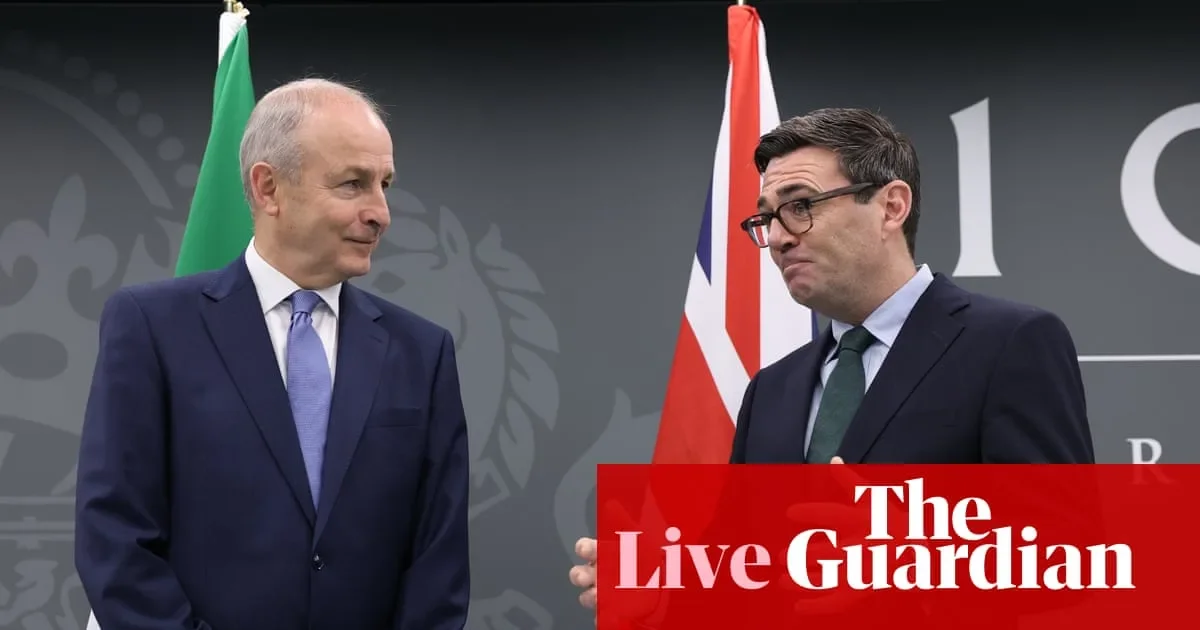
In a significant shift for British regional diplomacy, Andy Burnham has hosted the Irish Taoiseach, Micheál Martin, at what is being called "No 10 North." The meeting marks a pivotal attempt by UK regional leaders to secure specific exemptions from the European Union’s restrictive ‘Made in Europe’ plan. This plan, designed to bolster internal EU manufacturing, threatens to sideline UK-based industries that remain deeply integrated with European supply chains. By engaging directly with Ireland, Burnham is attempting to build a coalition that recognizes the unique economic interdependencies between the UK and its closest EU neighbor, potentially bypassing some of the rigidities of post-Brexit trade barriers.
Beyond trade, the meeting underscored a growing alignment on Middle Eastern geopolitics. The Taoiseach praised Burnham for his administration's stance on Israel and the imposition of sanctions on West Bank settlements. This diplomatic synergy suggests that regional UK power centers are increasingly willing to carve out independent foreign policy niches, especially when they align with humanitarian values shared by EU member states like Ireland. For the reader, this signal is clear: the UK’s internal political landscape is fracturing into regional power blocs that may offer more flexible trade and diplomatic pathways than the centralized government in London.

The Death of the ‘TACO’ Trade: Why Investors are Hedging
For nearly six months, Wall Street operated under a predictable playbook known as the ‘TACO’ trade—the assumption that whenever Donald Trump threatened Iran, he would eventually back down, making every geopolitical spike a golden opportunity to "buy the dip." However, as of September 2026, this confidence is evaporating. Market analysts report that the playbook stopped working this week, as the administration's rhetoric has not been followed by the usual de-escalation signals. This shift has left investors exposed, particularly in the energy and gold markets, where the traditional safety net of a Trump retreat is no longer guaranteed.
In the local Iranian market, this uncertainty is reflected in the relative stagnation of the US Dollar, which remained flat at 228,600 Toman (+0.0%). While the currency hasn't spiked yet, the lack of downward movement despite global market shifts suggests a "wait-and-see" approach from major players. Gold 18k per gram saw a marginal decline of 0.1%, moving from 23,362,112 to 23,327,485 Toman. This minor correction indicates that while a full-scale panic hasn't set in, the aggressive buying seen in previous months has cooled as traders grapple with a reality where geopolitical threats might actually lead to kinetic outcomes.
Saudi Arabia’s Strategic Workaround for the Strait of Hormuz
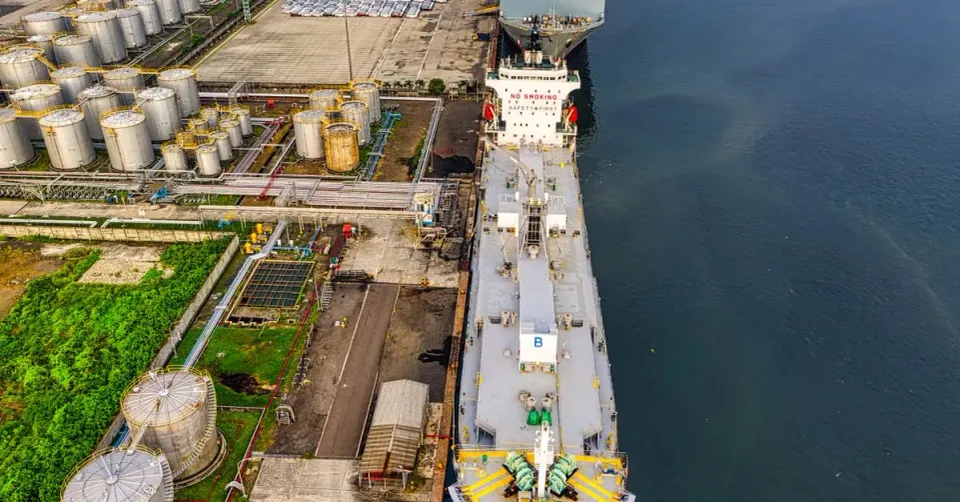
As tensions in the Persian Gulf remain elevated, Saudi Arabia has accelerated its efforts to build a "world beyond Hormuz." With the East-West pipeline currently offline due to technical and security challenges, Saudi Aramco has turned to ship-to-ship (STS) transfers at the port of Sohar in Oman. By moving as many as 60 million barrels of crude via these transfers for September and October, the Kingdom is effectively bypassing the volatile Strait of Hormuz for a significant portion of its Asian exports. This move is not just a temporary fix; it represents a permanent shift in regional energy logistics designed to insulate global supply from the constant threat of maritime blockades.
This infrastructure pivot has already had a cooling effect on global oil benchmarks. WTI crude retreated to approximately $96.35 per barrel after briefly touching $101.69 earlier in the week. The market is beginning to price in the success of these workarounds, reducing the "Hormuz premium" that usually drives prices higher during periods of regional friction. However, for the Iranian economy, these developments are a double-edged sword. While they prevent a global energy price shock that could further destabilize the region, they also diminish the strategic leverage that control over the Strait of Hormuz traditionally provided to Tehran in international negotiations.
Frequently Asked Questions
What is the 'TACO' trade in Wall Street terminology?
How is Saudi Arabia bypassing the Strait of Hormuz?
Why is the 'Made in Europe' plan a threat to the UK?
The Strategic Importance of Maritime Chokepoints in Global Energy Markets
Maritime chokepoints are narrow channels or straits along widely used global sea routes that are critical for international trade, especially for the transport of energy resources. These geographical bottlenecks are inherently vulnerable to disruption, and their strategic importance means that geopolitical tensions in their vicinity can have immediate and far-reaching impacts on global commodity prices and economic stability. Understanding these chokepoints is crucial for grasping the fragility of global supply chains.
The Strait of Hormuz stands as perhaps the most prominent example of such a chokepoint. Situated between Oman and Iran, it is the sole sea passage from the Persian Gulf to the open ocean, making it the world's most important oil transit chokepoint. An estimated one-fifth of global petroleum liquids consumption and a significant portion of global liquefied natural gas (LNG) supply passes through this narrow waterway daily. Any threat to navigation or actual disruption in the Strait of Hormuz can instantly send shockwaves through the global energy markets, causing crude oil prices, like WTI Crude, to surge due to heightened supply-side risks.
Geopolitical tensions further amplify the inherent risks of these chokepoints. For instance, the "Trump-Iran Policy" of maximum pressure, which included stringent sanctions against Iran, heightened the strategic significance of the Strait of Hormuz. Iran, possessing the capability to disrupt traffic in the Strait, has historically used this leverage as a deterrent or a response to perceived threats. The mere possibility of such actions, even without actual disruption, creates immense uncertainty and contributes to oil price volatility, as traders price in the increased risk premium.
Moreover, sanctions imposed on a major oil producer like Iran exacerbate these market dynamics. By limiting Iran's ability to export oil, sanctions already reduce global supply, creating a tighter market. When combined with the threat of disruption in a critical chokepoint like Hormuz, the potential for a severe supply shock becomes even greater. This not only impacts international oil prices but also has profound domestic economic consequences for the sanctioned nation, leading to currency depreciation (e.g., a rise in USD/IRR price) and a surge in demand for safe-haven assets like gold within the country.
In essence, maritime chokepoints are not just geographical features; they are critical arteries of the global economy. When overlaid with complex geopolitical rivalries and economic statecraft tools like sanctions, they become flashpoints where regional stability directly translates into global economic ripple effects, influencing everything from energy prices to national currencies and investment decisions worldwide.