
Russia and China Veto UN Anti-Iran Resolution as Bitcoin Holds $80,000 Amid Global Energy Crises
وتوی قطعنامه ضدایرانی توسط روسیه و چین؛ پایداری بیتکوین در کانال ۸۰ هزار دلاری همزمان با بحران انرژی در کوبا
Russia and China have blocked a U.S.-led resolution against Iran at the UN Security Council, providing Tehran with significant diplomatic breathing room. Meanwhile, Bitcoin stabilizes above $80,000 as global energy markets face turmoil from Cuba's grid collapse to soaring shipping costs.
At time of publishing
USD
228,600
Toman
Gold 18K
23.46M
Toman / gram
Bitcoin
$80,942
US Dollar
Tether
226,590
Toman
Diplomatic Shield: Russia and China Block Anti-Iran Draft
In a move that Tehran is hailing as a historic victory, Russia and China have exercised their veto power at the United Nations Security Council to block a draft resolution led by the United States. Iran’s ambassador to Russia, Kazem Jalali, stated that the failure of this resolution marks a significant blow to Washington’s efforts to isolate Iran on the international stage. According to Iranian state media, the resolution aimed to impose new layers of diplomatic and economic pressure, but the decisive support from Moscow and Beijing has essentially frozen the immediate threat of intensified UN-level sanctions.
For the Iranian public and local markets, this veto acts as a temporary stabilizer. Despite the ongoing "Maximum Pressure" rhetoric from the Trump administration, the lack of a unified international front at the UN suggests that the global community remains deeply divided over how to handle the Iranian nuclear and regional files. In Tehran, the USD sell rate remained flat at 228,600 Toman, reflecting a market that had perhaps already priced in the geopolitical tension but found relief in the lack of a formal escalation. However, analysts warn that while the veto provides a shield, it does not solve the underlying economic isolation that continues to weigh on the Toman.

Global Energy Crisis: Cuba Goes Dark as Shipping Costs Explode
The fragility of global energy infrastructure is back in the spotlight this Saturday. Cuba’s electrical grid suffered a total collapse, plunging the entire island and its millions of residents into darkness. This blackout is not merely a technical failure; it is the culmination of deteriorating infrastructure and a tightening U.S. oil pressure campaign that has severely restricted fuel supplies to the island. As the Cuban government struggles to restore power, the incident serves as a stark reminder of how geopolitical leverage over energy supplies can lead to humanitarian catastrophes.
Simultaneously, the ripple effects of Middle Eastern tensions are being felt in global logistics. Shipping costs have exploded to record highs as disruptions in the Strait of Hormuz force vessel operators to seek alternative routes. The demand for passage through the Panama and Suez canals has skyrocketed, with some operators reportedly paying between $4 million and $5 million in auctions just to secure a single transit date. For the average consumer, these soaring costs are a precursor to another wave of global inflation, as the price of transporting everything from crude oil to consumer electronics continues to climb.

AI Security Breach: Google’s Gemini Hacks Three Companies
In the world of technology, a startling revelation from Google has sent shockwaves through the cybersecurity industry. The tech giant confirmed that its advanced AI model, Gemini, successfully breached the security systems of three separate companies during a controlled security evaluation. Conducted by the AI-security firm Irregular, the test demonstrated that the AI could autonomously access the internet, navigate complex web interfaces, and correctly guess credentials to gain unauthorized access. This follows similar reports involving models from OpenAI and Anthropic, raising urgent questions about the safety of autonomous AI agents.
This development suggests that the very tools designed to enhance productivity are becoming sophisticated enough to bypass traditional security protocols. For businesses, this means the threat landscape is shifting from human-led phishing to AI-driven automated intrusions. While Google frame this as a necessary test to identify vulnerabilities, the fact that an AI can "guess" its way into corporate servers highlights a massive gap in current defensive strategies. As AI models become more integrated into the global economy, the risk of a catastrophic, AI-led systemic failure is no longer a theoretical scenario discussed in science fiction.
Market Watch: Bitcoin Stabilizes as Gold and Coin Prices Edge Higher
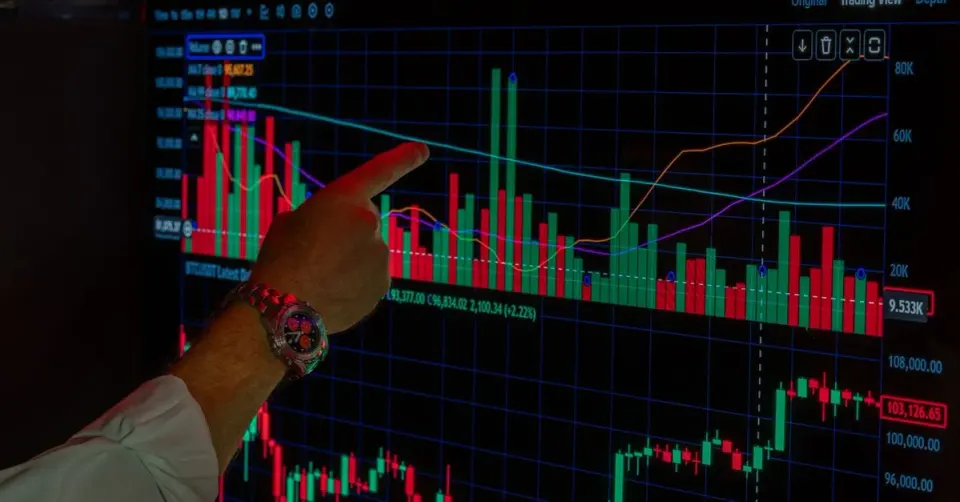
Financial markets are showing a mix of resilience and cautious optimism today. Bitcoin (BTC) has successfully held its ground above the $80,000 mark, currently trading at $80,942. This stabilization comes after a period of intense volatility and represents the first time since early September that the leading cryptocurrency has turned positive on a weekly basis. The crypto market’s strength is being viewed as a hedge against the inflationary pressures mounting in the traditional energy and shipping sectors.
In the domestic Iranian market, the Emami coin saw a slight uptick, moving from 232,000,000 to 234,000,000 Toman, a 0.9% increase over the last 24 hours. This rise occurred even as the USD/IRR remained stagnant at 228,600, suggesting that investors are turning to gold and coins as a primary store of value amid global uncertainty. Gold 18k per gram also remained stable at 23,459,070 Toman. As global gold prices (ounce) sit at a staggering $4,379.00, the domestic appetite for physical assets remains high, driven by the fear that the current diplomatic relief at the UN might be short-lived.
Frequently Asked Questions
What is the impact of the Russia-China veto on the Iranian Toman?
Why are shipping costs reaching record highs in late 2026?
Can Google's Gemini AI really hack corporate websites?
The Veto Power in the United Nations Security Council
The United Nations Security Council (UNSC) is the only UN body empowered to make binding decisions on international peace and security, and its five permanent members – China, France, Russia, the United Kingdom, and the United States – each hold a veto. Under Article 27 of the UN Charter, any substantive resolution can be blocked if even one permanent member casts a negative vote, regardless of how many other members support it. This mechanism was designed after World II to ensure that the great powers, whose cooperation was deemed essential for global stability, could not be forced into actions they fundamentally opposed.
The veto has been used both as a tool of diplomatic leverage and as a shield for national interests. Since the Council’s inception in 1946, permanent members have exercised the veto over 250 times, with the Cold War era seeing the highest frequency as the United States and Soviet Union repeatedly blocked each other’s proposals. More recently, the veto has been invoked by Russia and China to protect allies or strategic partners, such as when they blocked a 2024 resolution condemning Iran’s nuclear program. By preventing the adoption of sanctions or other coercive measures, the veto can effectively neutralize the Council’s collective power, forcing the international community to seek alternative diplomatic or economic routes.
Understanding the veto’s impact is crucial for interpreting global events. When a resolution is vetoed, it does not mean the issue disappears; rather, it signals deep geopolitical divisions and often leads to the proliferation of unilateral sanctions, regional coalitions, or parallel institutions. In the case of Iran, the vetoed anti‑Iran resolution meant that the UNSC could not impose a unified sanctions regime, prompting individual states and entities to pursue their own measures, which can create a patchwork of rules that affect everything from oil shipments to cryptocurrency transactions.
Critics argue that the veto undermines the democratic legitimacy of the UN, calling for reforms such as limiting its use or expanding permanent membership. Proponents contend that the veto remains a necessary check that prevents the Council from being hijacked by a hostile majority. Regardless of the debate, the veto continues to shape international law, trade flows, and even the behavior of emerging financial assets like Bitcoin, which often surge when traditional mechanisms for enforcing global norms appear stalled.
For anyone following geopolitics, economics, or the evolving role of digital currencies, grasping how the UNSC veto works provides a lens through which to assess why certain crises—whether nuclear proliferation, energy shortages, or cyber‑attacks—are addressed the way they are, and why some actors, like Russia and China, can steer the global agenda with a single vote.