South Korea Defies Trump’s Iran Troop Request as UK Braces for Snap Election and EU Fuel Prices Hit Records
پاسخ منفی کره جنوبی به درخواست نظامی ترامپ علیه ایران و هشدار بحران انرژی در اروپا
South Korean President Lee Jae Myung has officially rejected Donald Trump’s request for military support against Iran, signaling a major rift in the U.S. alliance. Meanwhile, record fuel prices in Europe are triggering calls for windfall taxes, and the UK prepares for a potential snap election as political tensions boil over.
At time of publishing
USD
228,600
Toman
Gold 18K
23.54M
Toman / gram
Bitcoin
$81,087
US Dollar
Tether
227,107
Toman
South Korea Stands Firm Against Trump’s Middle East Pressure
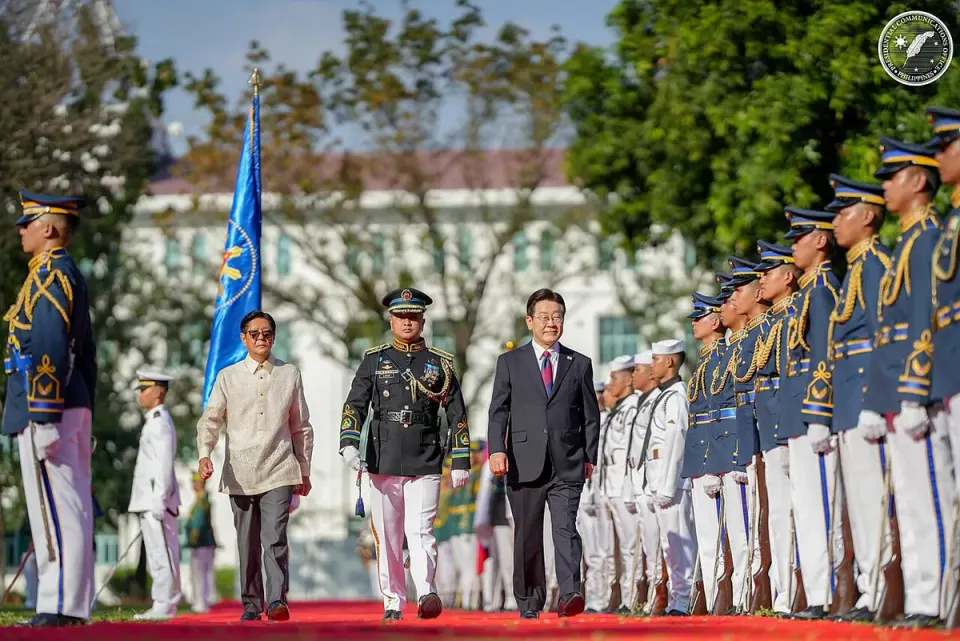
In a significant blow to the Trump administration’s efforts to build a global military coalition against Tehran, South Korean President Lee Jae Myung has publicly stated that his country will not send troops to Iran. This decision comes despite repeated and direct requests from President Trump for South Korea to provide "a little hand" in regional security operations. Lee emphasized that while the decades-old alliance with the United States remains a cornerstone of South Korean foreign policy, the nation's strategic interests do not include direct military involvement in the Persian Gulf at this time. This move reflects a growing trend of traditional U.S. allies seeking to insulate themselves from the transactional nature of the current White House's foreign policy.
The refusal is not merely a diplomatic snub but a calculated economic and security decision. South Korea relies heavily on Middle Eastern energy and maintains complex trade relationships that would be jeopardized by a direct military confrontation with Iran. By opting out, Seoul is signaling to Washington that it will no longer follow every military directive without question, especially when those directives threaten domestic stability. For the Iranian market, this news provides a minor relief, suggesting that the "maximum pressure" campaign may struggle to find the multilateral military teeth it seeks, even among America's closest Asian partners.
UK Political Shift: Lib Dems Target Reform in Snap Election Prep
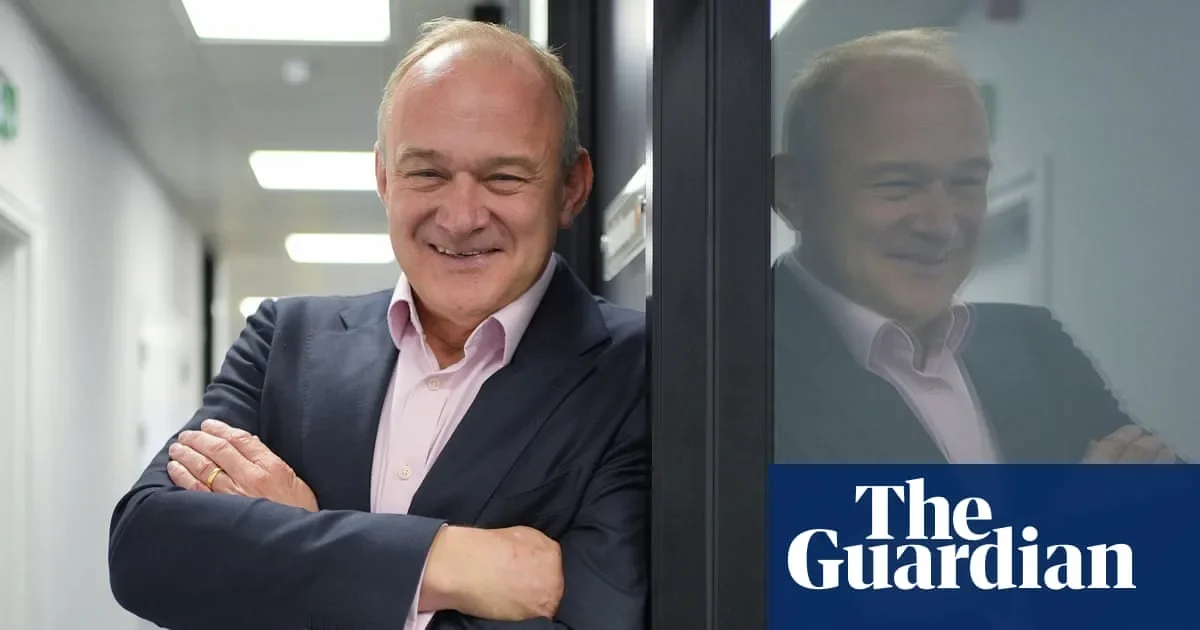
Across the Atlantic, the United Kingdom is entering a period of renewed political volatility. Liberal Democrat leader Ed Davey has declared a "moral responsibility" to block the rise of the Reform party as his party begins drafting a new manifesto for a potential snap election. Despite static polling numbers, Davey remains bullish, banking on tactical voting and the fragmentation of traditional political loyalties to expand his party's influence beyond the 72 seats won in 2024. The Lib Dems are positioning themselves as the primary centrist alternative to what they describe as the populist surge currently reshaping British politics.
This domestic maneuvering has real-world implications for the British Pound and UK markets. Investors generally dislike the uncertainty of snap elections, and the prospect of a more fragmented parliament could lead to delays in critical economic reforms. For global observers, the UK's internal struggle mirrors a broader European trend where centrist parties are desperately trying to find a narrative that can compete with right-wing populism. As the Lib Dems gear up for their party conference, the focus will be on whether they can offer a concrete economic plan that addresses the "cost of housing" crunch currently squeezing low-income families, rather than just relying on anti-Reform rhetoric.
Record EU Energy Prices Trigger Windfall Tax Demands
European governments are facing a mounting crisis as fuel and gas prices hit near-record levels, fueled by ongoing instability in the Middle East. German and French ministers have accused energy firms of "exploiting" the geopolitical situation to pad their profits, leading to urgent calls for a bloc-wide windfall tax. With elections looming in eight EU countries—including heavyweights like France, Italy, and Poland—leaders are under immense pressure to provide immediate relief to citizens who are struggling with an energy shock that analysts describe as one of the most severe in decades.

The proposed windfall tax would target the "excessive" earnings of energy giants, redistributing that wealth to subsidize household bills. However, this move is controversial and could lead to reduced investment in future energy infrastructure. From a market perspective, these high energy costs are a double-edged sword: they keep oil-producing nations' revenues high but risk plunging the European economy into a deep recession. For Iran and other regional players, the EU's energy desperation provides a degree of leverage, though it also increases the likelihood of more aggressive intervention in energy markets by Western regulators.
Human Rights Crisis: US Deportees Beaten in Equatorial Guinea
The darker side of international cooperation has come to light at the Hotel Bamy in Equatorial Guinea, where men recently deported from the United States are reportedly being held in horrific conditions. Human rights lawyers have documented instances of detainees being hooded, beaten, and thrown down stairs in plain view of others. These men, primarily from Egypt and Eritrea, are part of a controversial deportation program where the U.S. partners with autocratic governments to manage its migrant outflow. The reports suggest that the violence is being used as a tool to silence those who speak to the press about the conditions inside the detention centers.

This development highlights the extreme risks faced by nationals from the Middle East and Africa under the current U.S. administration's immigration policies. As the Trump administration expands its deportation network, the lack of oversight in partner countries like Equatorial Guinea is creating a human rights vacuum. This story serves as a stark warning to the international community about the consequences of outsourcing border enforcement to regimes with poor human rights records. For the families of those affected, it is a nightmare scenario that underscores the shifting legal and physical landscape for migrants in the year 2026.
Frequently Asked Questions
Why did South Korea refuse to send troops to Iran?
What is a windfall tax and why is the EU considering it?
Is a snap election likely in the UK?
Understanding Burden-Sharing in International Alliances
In the complex web of global politics, nations often form alliances to enhance their collective security and pursue shared interests. A fundamental, yet frequently contentious, aspect of these partnerships is "burden-sharing." This concept refers to the distribution of costs—whether financial, military, diplomatic, or human—among allied states to achieve common goals, such as deterring aggression or maintaining regional stability. The ideal is an equitable distribution where each member contributes proportionally to its capabilities and benefits, but reality often presents a more complicated picture.
The challenge of burden-sharing often arises from the "free-rider problem," an economic concept applied to international relations. A free-rider is a state that benefits from the collective security provided by an alliance without contributing its fair share of resources or effort. Larger, more powerful nations, like the United States, frequently bear a disproportionate share of alliance costs, leading them to pressure allies to increase their contributions. This pressure can stem from domestic political considerations, economic constraints, or a desire to rebalance global responsibilities.
The headline's mention of South Korea defying a U.S. request for troops in an Iran-related military coalition perfectly illustrates the tensions inherent in burden-sharing. While South Korea benefits from its alliance with the U.S. for its own security, it must weigh the costs and benefits of deploying forces to a distant conflict, considering its own national interests, economic implications, and regional priorities. Such decisions highlight the delicate balance allies must strike between fulfilling alliance commitments and safeguarding their sovereign interests, often leading to diplomatic negotiations and occasional friction within the alliance structure.
Topics
Related Articles