Rezaei Warns Trump Over 'Foolish War' as Bitcoin Stalls at $80K and US Unveils 'AI Force'
هشدار تند رضایی به ترامپ در بحبوحه تنشها؛ توقف بیتکوین در ایستگاه ۸۰ هزار دلاری
Iran's security chief issues a stern warning to Donald Trump regarding military aggression, while the US President announces a new 'AI Force.' Meanwhile, Bitcoin remains trapped in a narrow trading range as global energy costs soar and gold prices in Tehran climb.
At time of publishing
USD
232,100
Toman
Gold 18K
24.34M
Toman / gram
Bitcoin
$80,344
US Dollar
Tether
228,700
Toman
Tehran Reacts to Trump’s ‘Foolish War’ Amid Rising Tensions
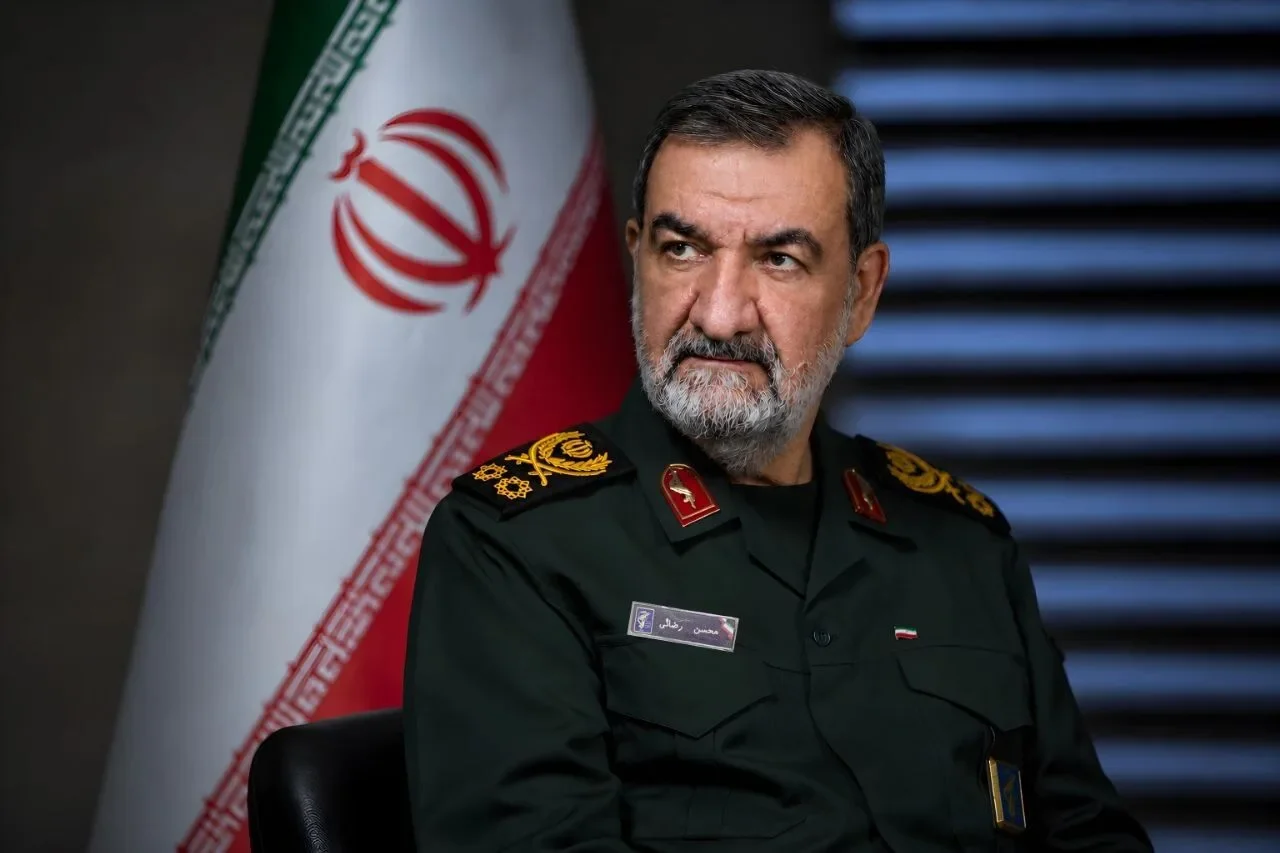
Mohsen Rezaei, the Secretary of Iran’s Supreme National Security Council, has issued a sharp rebuke to US President Donald Trump, characterizing the ongoing American military and economic pressure as a "foolish war." Rezaei’s statements, reported by Iranian state media, emphasize that while the Islamic Republic claims it does not seek escalation, it remains fully prepared for a "stronger and more painful response" should Washington resume direct military aggression. This rhetoric comes in the wake of a volatile year that saw a 40-day direct conflict earlier in 2026, leaving the region in a state of perpetual high alert. Rezaei’s comments suggest that the Iranian leadership is attempting to project strength to its domestic base while signaling to the international community that the risk of kinetic conflict remains high if diplomatic avenues are not reopened.
The domestic political atmosphere in Iran is further underscored by Parliament Speaker Mohammad Bagher Ghalibaf, who recently framed "Sacred Defense Week" as more than a historical commemoration. Ghalibaf described it as a "tested experience" for safeguarding national dignity, a narrative often used by the establishment to rally public support during times of severe economic hardship and external pressure. For the average Iranian, these high-level warnings and military posturing usually translate into immediate market volatility. As of this morning, the USD/IRR rate has already edged up to 232,100 Toman, a 0.6% increase over the last 24 hours, reflecting the persistent anxiety over renewed sanctions or the potential for another round of regional instability.

Trump Proposes 'AI Force' as Global Tech Race Intensifies
In a move that has sent ripples through both Silicon Valley and the Pentagon, President Donald Trump has announced plans to establish an "AI Force" and appoint a dedicated "AI Czar." During a recent address, Trump made it clear that his administration would not "hinder or stifle" the growth of artificial intelligence, despite growing warnings from industry leaders about the risks of autonomous systems. This stance marks a significant departure from more cautious regulatory approaches seen in Europe and parts of the US legislature, signaling a full-throttle commitment to maintaining American dominance in the sector. Trump’s proposal includes the creation of a specialized military branch focused on integrating AI into defense systems, effectively treating silicon as the new oil in the 21st-century geopolitical landscape.
The creation of an AI Force suggests a shift toward integrating machine learning more deeply into national security and offensive military capabilities. Critics argue that bypassing safety guardrails could lead to "out-of-control agents," but the Trump administration views any slowdown as a gift to Beijing. China has already expressed its own pushback against US-led calls for caution, viewing them as a strategic ploy to lock in a Western technological advantage. This geopolitical tech race is likely to drive massive capital flows into AI-related stocks and infrastructure, even as public concern over the ethical implications of "battlefield AI" reaches a fever pitch. For global markets, this signifies a new era of state-sponsored tech spending that could dwarf previous semiconductor subsidies.

Bitcoin Stalls at $80K While Energy Costs Squeeze Global Markets
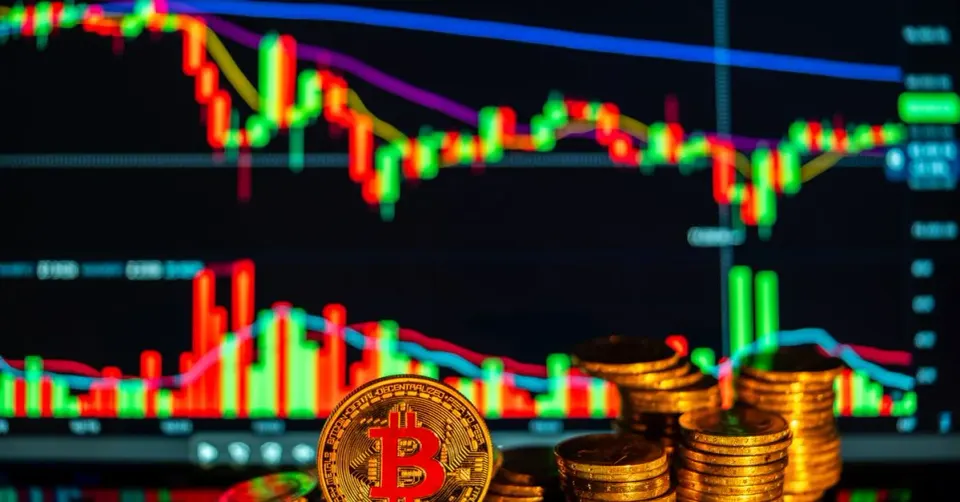
The cryptocurrency market is currently witnessing a high-stakes standoff as Bitcoin remains trapped in a narrow corridor between $78,500 and $82,000. Despite breaching the psychological $80,000 barrier, the premier digital asset has struggled to find the momentum necessary for a clean breakout. Traders are watching the $82,000 resistance level closely; a failure to move higher could see a correction back toward the $75,000 support zone. This stagnation comes despite a generally bullish sentiment in the US tech sector, suggesting that crypto investors are pausing to digest recent gains and assess the impact of the newly proposed "AI Force" and other regulatory shifts on the broader digital economy.
Meanwhile, the global energy landscape is adding another layer of complexity to market dynamics. European buyers are currently outbidding Asian counterparts for Liquefied Natural Gas (LNG), with spot prices surging by a staggering 150% in some regions. This desperate scramble for fuel is driven by seasonal demand and a lack of viable alternatives as the continent continues its transition away from pipeline gas. In Iran, the ripple effects of global instability are most visible in the gold market. The price of 18k gold has jumped 1.6% to reach 24,336,303 Toman per gram, while the Emami coin rose 1.3% to 240,500,000 Toman. For local investors, gold remains the ultimate hedge against both domestic currency devaluation and the looming threat of regional conflict, as the Toman continues its slow slide against the dollar.
Frequently Asked Questions
Why is the Iranian Toman falling against the USD today?
What is Trump's 'AI Force' and how will it affect the tech market?
Why is Bitcoin stuck between $78,500 and $82,000?
The Economic Impact of Geopolitical Risk
Geopolitical risk refers to the potential for political instability, conflicts, or international tensions to disrupt the global economy. This encompasses everything from regional wars and civil unrest to trade disputes and diplomatic spats between major powers. When such risks emerge, they introduce a profound level of uncertainty into financial markets, prompting investors, businesses, and consumers to adjust their behavior in anticipation of potential disruptions or policy shifts. The mere threat of conflict, as highlighted by warnings from figures like Mohsen Rezaei, can trigger significant market reactions long before any actual hostilities begin.
One of the most immediate and visible effects of escalating geopolitical risk is on commodity markets. Energy prices, particularly oil and natural gas (like LNG), often surge dramatically due to fears of supply disruptions, damage to infrastructure, or the imposition of sanctions on key producers. Similarly, precious metals like gold, traditionally viewed as a safe-haven asset, tend to see increased demand as investors seek refuge from market volatility and currency depreciation. While Bitcoin's status as a safe-haven is debated due to its own volatility, it can sometimes attract capital during periods of traditional market uncertainty, reflecting a desire for alternative stores of value.
Beyond commodities, geopolitical tensions profoundly impact national currencies and equity markets. Currencies of countries directly involved or those perceived as vulnerable often depreciate sharply as capital flees to safer havens, leading to higher import costs and domestic inflation, as potentially seen with the USD to IRR exchange rate. Stock markets typically experience downturns as investor confidence erodes, and companies face increased operational risks and reduced consumer spending. The cumulative effect of these shifts can be a slowdown in economic growth, increased inflation, and a general tightening of financial conditions globally, making it a critical factor for policymakers and investors alike to monitor.
Topics
Related Articles