Global Markets Hit Red Alert Amid War Fears While Australia Unveils Radical Criminal Justice Reforms
هشدار قرمز در بازارهای جهانی همزمان با اصلاحات قضایی رادیکال در استرالیا و توسعه کریدور ریلی ایران-ارمنستان
As global stock markets face a potential crash fueled by AI debt and Middle East tensions, Australia moves toward life sentences for sexual violence, and Iran-Armenia trade ties hit a strategic milestone.
At time of publishing
USD
230,700
Toman
Gold 18K
24.07M
Toman / gram
Bitcoin
$80,469
US Dollar
Tether
230,597.108
Toman
Market Open — Stability in Currency, Momentum in Gold
Sunday morning in Tehran opens with a sense of cautious equilibrium in the foreign exchange market. The US Dollar remains unchanged at 230,700 Toman, reflecting a momentary pause in the recent volatility. However, the precious metals sector is showing signs of upward pressure. Gold 18k has risen by 0.5% to reach 24,066,208 Toman per gram, while the Emami coin followed suit with a 0.6% increase, now priced at 239,000,000 Toman. This slight decoupling of gold from the flat currency rate suggests that local investors are hedging against broader regional uncertainties rather than immediate currency devaluation.
In the digital asset space, Bitcoin continues to display remarkable resilience, holding firm above the $80,000 mark. Currently trading at $80,469, the leading cryptocurrency is benefiting from renewed institutional demand and significant ETF inflows. For the Iranian trader, this stability in the 'digital gold' provides a stark contrast to the growing alarm bells ringing in traditional global equity markets, where the narrative is shifting from growth to survival.
Global Markets on the Brink: The Triple Threat of AI, Debt, and War
The optimism that defined the early summer in global financial capitals has evaporated, replaced by a 'red light' warning system. Financial analysts are now openly questioning whether a major market crash is imminent. The primary drivers are a volatile mix of massive debt accumulated during the AI investment craze, soaring government bond yields, and the intensifying impact of the war involving Iran. While the tech sector's rally was expected to cushion the blow of geopolitical instability, the sheer scale of the conflict in the Middle East is now overshadowing the gains from the artificial intelligence revolution.
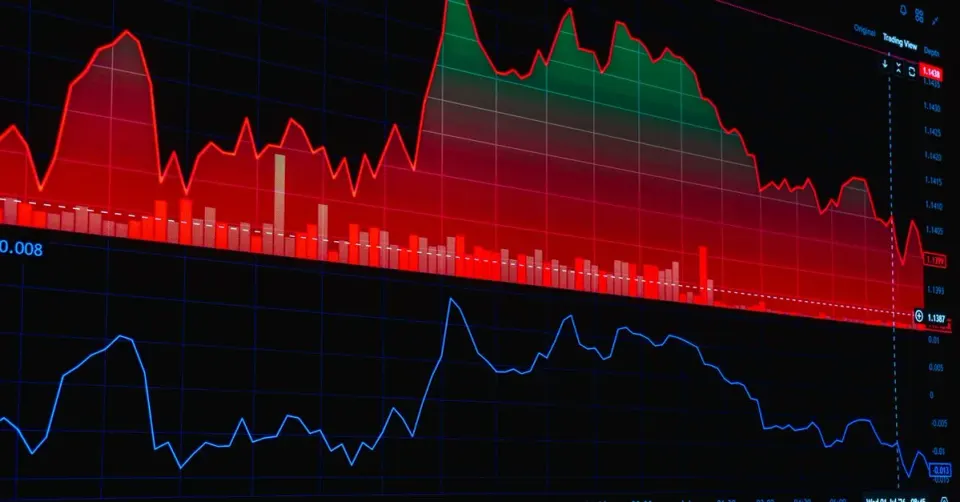
This shift matters because it signals a transition from 'speculative growth' to 'risk-off' sentiment. As government bond yields rise, the cost of borrowing increases globally, putting immense pressure on over-leveraged tech companies. For Iranians, this global instability often translates into higher commodity prices and a more volatile environment for international trade. The 'tinderbox' conditions in the sovereign debt market mean that any further escalation in regional fighting could trigger a liquidity crisis that echoes far beyond the borders of the Middle East.
Australia’s Legal Overhaul: Life Sentences and Victim Protections
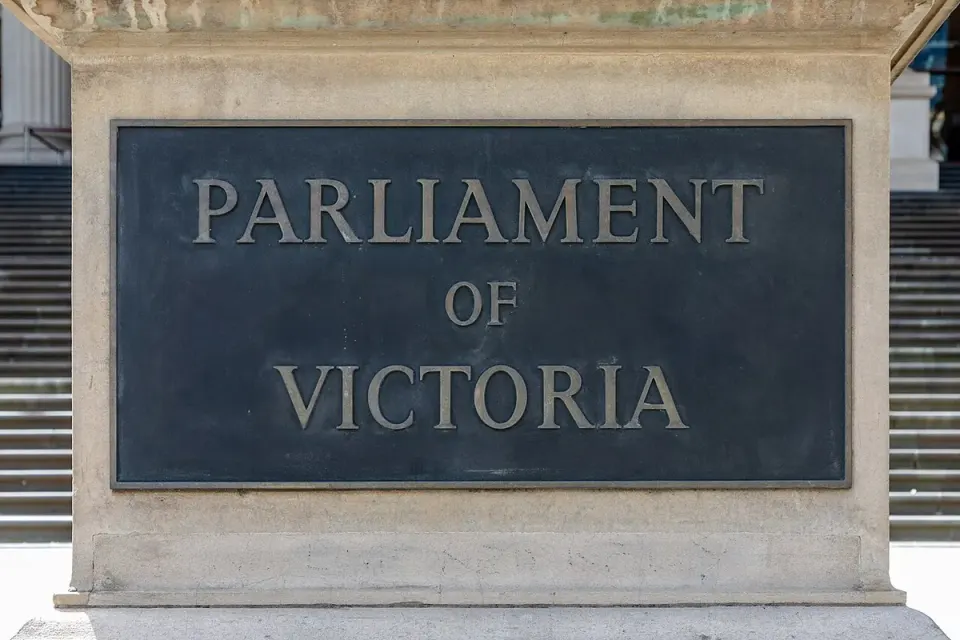
In a significant shift in criminal justice policy, the Victorian Labor government in Australia, led by Premier Ben Carroll, has announced a suite of pre-election commitments aimed at drastically increasing penalties for sexual violence. The proposed reforms include the possibility of life sentences for rapists and the introduction of a new form of manslaughter for cases where family violence leads to a victim taking their own life. These measures are part of a broader response to a series of high-profile incidents of domestic violence that have shocked the nation, including three murders within a single 12-hour period in New South Wales.
Beyond the headlines, these reforms represent a fundamental change in how the legal system treats victim-survivors. The government plans to prevent defense barristers from asking 'humiliating' or 'victim-blaming' questions during trials, effectively ending the practice of putting the victim on trial. For the global observer, this reflects a growing trend in Western democracies to prioritize social safety and victim rights over traditional legal protections for the accused in cases of gender-based violence. It also signals a government attempting to regain public trust through 'tough on crime' policies during a period of heightened social anxiety.
The Armenia-Iran Rail Link: A Strategic Gateway to Europe
On the regional front, Armenian Ambassador to Iran Grigor Hakobyan has underscored the critical importance of expanding rail and trade ties between Tehran and Yerevan. According to state-affiliated media reports, the envoy emphasized that linking the two countries' railway networks is not merely a bilateral project but a strategic necessity. For Armenia, it provides long-sought access to international waters in the south; for Iran, it offers a diversified and potentially more secure route to European markets, bypassing more traditional and often politically sensitive transit corridors.

This development is particularly significant given the current geopolitical reshuffling. As Iran seeks to solidify its 'North-South' transit corridor, the Armenian link acts as a vital artery. If realized, this infrastructure would reduce Iran's dependence on any single neighboring country for European transit, providing a hedge against border closures or diplomatic disputes. For the Iranian business community, this means more reliable supply chains and the potential for reduced logistics costs in the long term, provided the necessary investments in infrastructure are completed amidst the current regional tensions.
Frequently Asked Questions
چرا بازارهای جهانی در وضعیت هشدار قرمز قرار دارند؟
اتصال ریلی ایران و ارمنستان چه سودی برای اقتصاد ایران دارد؟
تغییرات قانونی در استرالیا شامل چه مواردی است؟
Understanding Debt Bubbles and the Emerging Role of AI in Financial Crises
A debt bubble forms when borrowers, lenders, and investors collectively take on more debt than the economy can sustainably service. The excess borrowing drives asset prices—such as stocks, real‑estate, or even cryptocurrencies—far above their intrinsic values. When confidence wanes or interest rates rise, the bubble can burst, triggering rapid sell‑offs, defaults, and a cascade of financial distress. History offers stark examples: the U.S. housing boom of the mid‑2000s, Japan’s asset price collapse in the early 1990s, and the sovereign‑debt crises that swept Europe after 2009.
In the 2020s, the scale of global debt has reached unprecedented heights. According to the International Monetary Fund, world debt surpassed 300 % of global GDP in 2024, a level that amplifies systemic risk. When debt levels climb so high, even modest shocks—such as a sudden spike in oil prices, a geopolitical conflict, or a policy‑rate hike—can tip the balance, turning a manageable correction into a full‑blown market crash. The headline‑grabbing “Global Market Crash 2026” scenario often cited by analysts is rooted in this fragile debt landscape.
Artificial intelligence is now a double‑edged sword in this environment. On one hand, AI‑driven credit‑scoring models can process vast datasets, spotting early signs of borrower stress that traditional methods might miss. On the other hand, the same speed and opacity can exacerbate herd behavior: algorithmic trading systems may simultaneously unwind similar positions, amplifying volatility and accelerating a bubble’s collapse. A 2023 Reuters investigation highlighted how AI‑powered hedge funds contributed to rapid price swings in the cryptocurrency market, pushing Bitcoin toward its speculative peaks around $80,000 before a sharp correction.
Policymakers and regulators are therefore grappling with a new kind of “AI debt bubble.” They must balance the efficiency gains of machine‑learning tools with safeguards that prevent algorithmic feedback loops from magnifying systemic risk. Stress‑testing frameworks are being updated to include AI‑driven scenarios, and central banks are exploring real‑time monitoring of credit‑market data to catch bubbles before they burst.
For investors and citizens alike, the key takeaway is vigilance. Understanding the mechanics of debt bubbles—and the ways AI can both illuminate and obscure risk—helps individuals make more informed decisions, whether they are buying gold as a safe‑haven asset, evaluating the impact of a new railway project in Iran‑Armenia, or tracking the ripple effects of criminal‑justice reforms in Australia on fiscal stability.