Morocco’s Political Rebirth, Moscow’s Drone Blitz, and Riyadh Under Fire: A Sunday Market Shakeup
بازسازی سیاسی در مراکش، یورش پهپادی به مسکو و تنش در ریاض: تلاطم بازارهای جهانی در صبح یکشنبه
As Morocco's PJD attempts a historic comeback under Benkirane, a massive drone escalation in Russia and Houthi attacks on Riyadh have sent gold prices climbing. In Tehran, the gold market is reacting to regional instability with a 1.6% jump in 18k prices.
At time of publishing
USD
230,600
Toman
Gold 18K
24.33M
Toman / gram
Bitcoin
$80,458
US Dollar
Tether
230,494.155
Toman
The Rebirth of Morocco’s PJD: Lessons from a Political Collapse
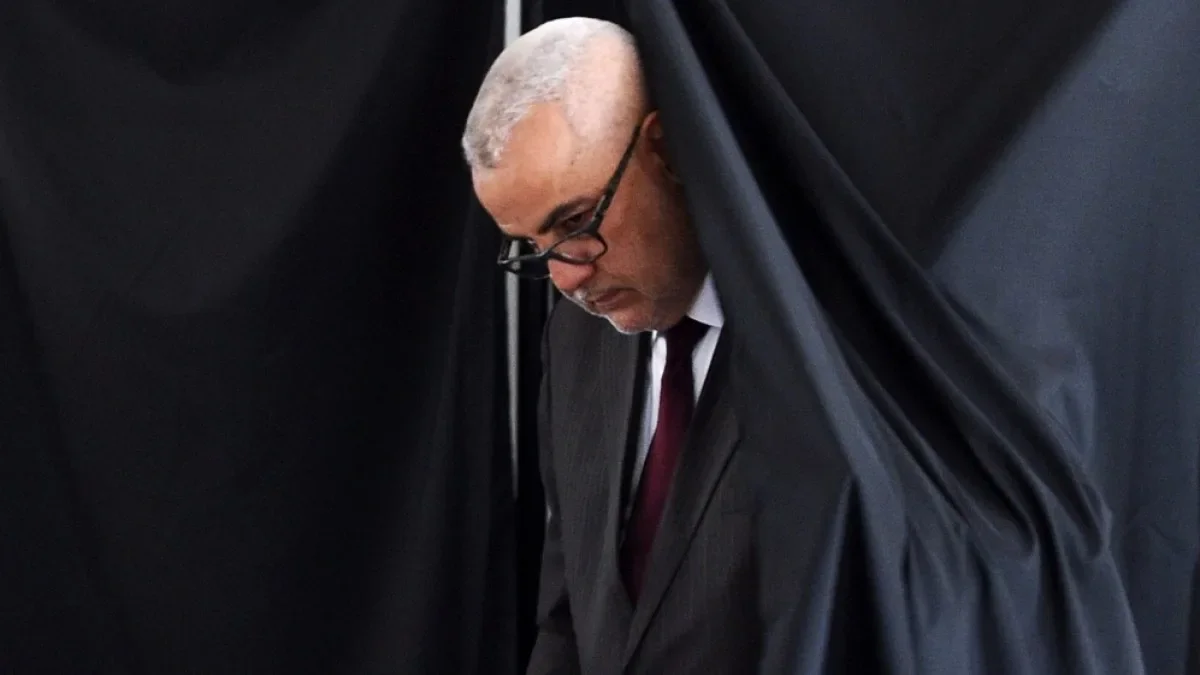
The political landscape of North Africa is witnessing a significant shift as Morocco’s Justice and Development Party (PJD), once the dominant force in the kingdom’s governance, attempts a difficult rebuilding process. Under the leadership of Abdelilah Benkirane, the party is grappling with the lessons of its catastrophic 2021 election defeat, where it plummeted from 125 seats to just 13. This resurgence is not merely a local matter; it represents a broader litmus test for political Islam across the MENA region. Benkirane’s return to the helm signifies a move back toward the party’s grassroots, populist roots, attempting to distance itself from the unpopular compromises made during its decade in power, including the controversial normalization of ties with Israel. For Iranian observers and the wider regional public, the PJD’s trajectory offers a profound case study in the durability of "Islamic reference" parties in a modern state. The party’s fall was largely attributed to its inability to deliver on economic promises while being perceived as part of the establishment it once critiqued. Now, as Benkirane attempts to regain public trust, the world is watching to see if a religious-based party can reinvent itself as a viable opposition in a climate where voters are increasingly prioritizing economic stability over ideological purity. This shift in Morocco could influence how similar movements in the region approach future elections and public engagement.
Moscow Under Siege: 1,600 Drones and the Energy Market Fallout
In one of the most significant aerial escalations of the conflict, Russian authorities reported that hundreds of Ukrainian drones targeted the Moscow region on the final day of the country’s parliamentary elections. The scale of the attack is unprecedented, with officials claiming over 1,600 drones were intercepted across various regions, including 450 specifically aimed at the capital. Beyond the psychological impact of bringing the war to the heart of Russia, the strikes successfully damaged a major oil refinery in the Moscow area and forced the suspension of flights at two major airports. This tactical shift toward targeting energy infrastructure is a clear attempt to disrupt the Russian economy and the logistical support for its military operations. The immediate consequence for global markets has been a renewed "risk-off" sentiment. In the Iranian market, gold has already begun to price in this instability. Gold 18k per gram rose from 23,950,782 to 24,331,686 Toman, a sharp 1.6% increase within 24 hours. Similarly, the Emami coin rose from 237,500,000 to 240,000,000 Toman (+1.1%). When energy hubs like Moscow refineries are hit, the market anticipates supply chain disruptions and higher volatility, leading investors to flee to safe-haven assets like gold and Bitcoin, which remains strong at $80,458.
Regional Red Alert: Houthi Missiles Reach Riyadh as Tensions Flare
Adding to the global sense of unease, a significant escalation occurred in the Middle East as the Houthi movement claimed a wave of missile and drone attacks targeting the Saudi capital, Riyadh. Reports of thick smoke near the Riyadh airport and the activation of emergency air raid alerts—the first such widespread alerts for the capital since July—have sent shockwaves through regional markets. The Houthis, who are frequently linked to Iranian support, stated they targeted "sensitive sites" and oil facilities, echoing the tactics seen in the Russian theater of war. This escalation suggests that the relative calm in the Gulf may be coming to an end, with direct implications for oil transit and regional security. While the USD/IRR exchange rate remained relatively stable this morning, selling at 230,600 Toman (a negligible 0.0% change from 230,700), the underlying pressure is mounting. The combination of the Moscow drone blitz and the Riyadh attacks creates a dual-front crisis for global energy security. For the Iranian reader, this translates to a heightened state of economic alertness. If these regional tensions lead to a disruption in the Strait of Hormuz or further strikes on Saudi infrastructure, the temporary stability of the Toman could quickly evaporate. For now, the market’s anxiety is being channeled into gold and coins, which are more sensitive to immediate geopolitical shocks than the heavily managed currency market.
Infrastructure and Justice: Global Policy Shifts
Beyond the immediate fires of conflict, significant domestic policy shifts are taking place in the West that could redefine state-market relations. In the United Kingdom, the Labour government has continued its aggressive nationalization push, with Chiltern Railways becoming the sixth operator to enter public ownership since 2025. This move signals a definitive end to the era of private rail dominance in Britain, reflecting a global trend toward state intervention in critical infrastructure to ensure service reliability and price control. Meanwhile, in Australia, the Victorian Labor government is proposing radical criminal justice reforms, including life sentences for rapists and new laws against "putting victims on trial." These reforms highlight a growing focus on social governance and protection at a time when global attention is often diverted by war and economic crisis.
Frequently Asked Questions
Why did gold prices rise in Iran today?
What happened to the USD/IRR exchange rate?
Is Bitcoin affected by the current geopolitical tension?
Understanding Drone Warfare: How Unmanned Aerial Vehicles are Reshaping Modern Conflict
Unmanned aerial vehicles (UAVs), commonly called drones, have moved from hobbyist gadgets to decisive tools of statecraft. Early military drones were simple reconnaissance platforms, but advances in miniaturisation, navigation, and payload capacity have created a spectrum ranging from tiny, commercially‑available quadcopters to large, weaponised systems that can loiter for hours over a battlefield. Because they can be operated remotely, drones lower the political cost of striking a target, reduce risk to pilots, and enable rapid, precise attacks that would be difficult for conventional aircraft.
The recent drone strike on Moscow illustrates how even heavily defended capitals are vulnerable. In July 2024 a swarm of small, low‑observable UAVs penetrated the city’s air‑defence bubble, causing both material damage and a wave of psychological shock. Analysts note that the attack was not carried out by a traditional air force but by a loosely organised network of militants using off‑the‑shelf components, highlighting a new “asymmetric” threat where non‑state actors can threaten major urban centres without a conventional air force.
A similar pattern is evident in the Red Sea region, where Yemen’s Houthi movement has repeatedly launched drone raids on Saudi Arabia’s capital, Riyadh. These drones often carry improvised explosives and are launched from makeshift launch pads, exploiting the vast desert terrain for concealment. The attacks have forced Saudi defence planners to invest heavily in counter‑UAV systems, radar upgrades, and kinetic interceptors, reshaping the kingdom’s broader security architecture.
The strategic implications are profound. First, the diffusion of drone technology blurs the line between state and non‑state warfare, making attribution and deterrence more complex. Second, the low cost of production—sometimes under a few thousand dollars—means that a single adversary can field dozens of drones, overwhelming traditional air‑defence systems designed for larger, slower‑moving threats. Finally, the rise of drone warfare is prompting a parallel arms race in counter‑drone technologies, from directed‑energy weapons to AI‑driven detection networks, fundamentally altering how nations think about air superiority and homeland security.
Topics
Related Articles