Rare Earth Rivalry Intensifies as Tehran Warns Trump Over 'Foolish' War Costs and Market Volatility
تشدید رقابت بر سر عناصر کمیاب؛ هشدار تهران به ترامپ در مورد هزینههای جنگ و نوسانات بازار
Global supply chains face a reckoning as Brazil emerges as a challenger to China’s rare earth dominance ahead of a critical Trump-Xi summit. Meanwhile, Tehran officials claim US military aggression is rebounding on American consumers, as the Toman and Gold prices surge in domestic markets.
At time of publishing
USD
232,500
Toman
Gold 18K
24.27M
Toman / gram
Bitcoin
$80,327
US Dollar
Tether
231,284
Toman
The Global Race to Break China's Rare Earth Stranglehold
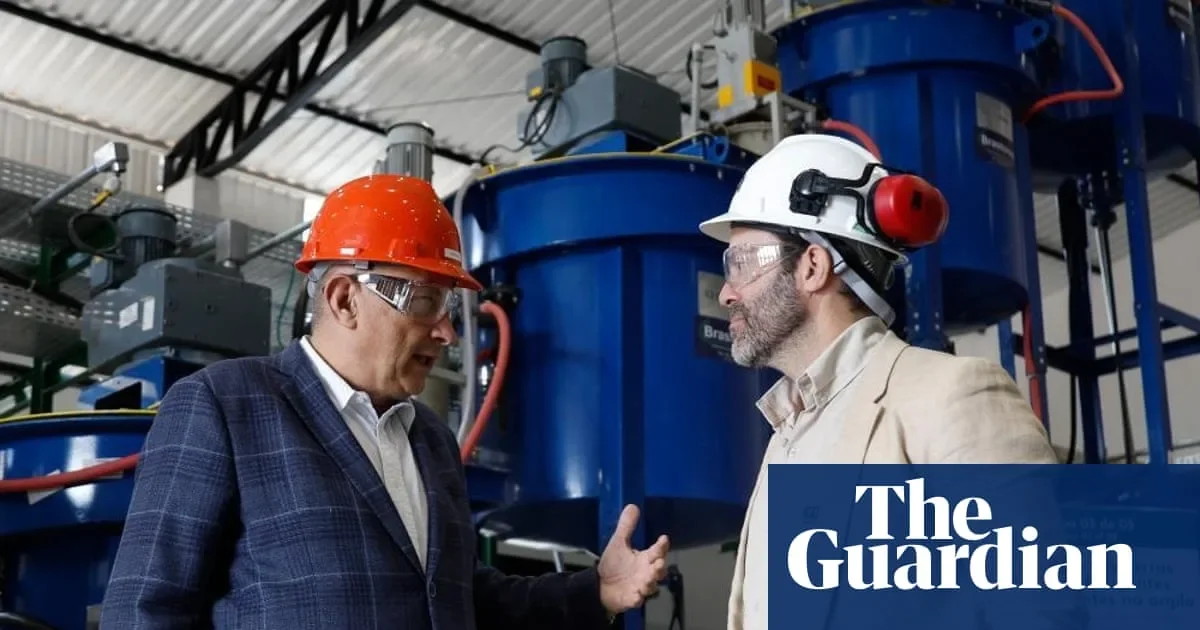
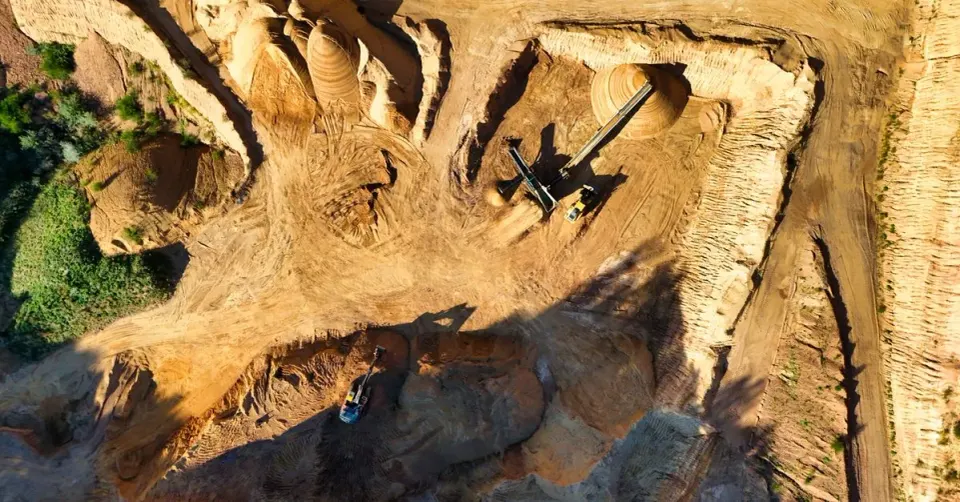
As the world prepares for a high-stakes summit between Donald Trump and Xi Jinping this Thursday, the geopolitical battle over rare earth minerals has reached a fever pitch. Rafael Moreno, CEO of a prominent mining firm, has launched a new demonstration plant in Brazil with the explicit goal of supplying the European Union within two years. Moreno argues that ending Beijing’s monopoly on these materials is no longer just a business strategy but a matter of national and economic security. These minerals are the lifeblood of modern technology, essential for everything from electric vehicle batteries to wind turbines and advanced military hardware like stealth jets.
The timing of this push is critical. Markets are increasingly nervous that the upcoming summit could result in further export bans from Beijing, which has previously used its dominance as a diplomatic lever. For global manufacturers, the reliance on a single source has created a vulnerability that the EU and US are desperate to mitigate. If Brazil can successfully scale its production, it could provide the necessary buffer to prevent a total collapse of the high-tech supply chain should trade relations between Washington and Beijing deteriorate further. This shift also signals a broader trend of 'friend-shoring,' where Western powers seek to relocate critical production to politically aligned nations.
Tehran Warns of Economic Blowback from US Military Policy
Inside Iran, the rhetorical battle against the Trump administration’s regional policies is intensifying. Mohsen Rezaei, Secretary of the Supreme National Security Council, recently characterized the ongoing US military posture as a 'foolish war' that Washington continues to pursue despite high costs. State media outlets have been quick to link these geopolitical tensions to economic pain within the United States, specifically citing rising fuel costs for American consumers. According to reports from IRNA, Tehran’s message is that the US 'victory' declared months ago is proving to be a hollow one as the financial burden of maintaining a military presence in the region mounts.
This narrative serves a dual purpose: it attempts to project strength to a domestic audience while highlighting the global interconnectedness of regional conflicts. Rezaei emphasized that Iran remains fully prepared for self-defense, warning of a 'stronger and more painful response' should military aggression resume. While these statements are standard for high-ranking officials, they occur against a backdrop of a 40-day conflict that has already strained regional trade routes. For the average Iranian, these tensions are not just abstract headlines; they translate directly into market volatility and a sense of persistent economic uncertainty.

Domestic Markets: Toman and Gold on the Rise
The ripple effects of global and regional instability are clearly visible in Tehran’s financial markets this Sunday. The Iranian Toman has seen a notable decline, with the USD sell rate moving from 230,700 to 232,500, marking a 0.8% increase in just 24 hours. This upward pressure on the dollar is often a precursor to wider inflationary spikes across the economy. Investors, seeking a hedge against currency devaluation, have flocked to the gold market. The price of 18k gold rose from 23,950,782 to 24,271,665 Toman per gram (+1.3%), while the benchmark Emami coin jumped from 237,500,000 to 240,000,000 Toman (+1.1%).
In the digital asset space, Bitcoin continues to hold its ground at the $80,327 level, acting as a secondary safe haven for some Iranian retail investors despite the inherent risks. The convergence of rising gold prices and a weakening Toman suggests that market participants are pricing in a period of prolonged geopolitical risk. As the Trump-Xi summit approaches and regional rhetoric remains heated, the demand for hard assets is likely to remain high. For the local population, the primary concern remains the erosion of purchasing power as the cost of imports and basic commodities tracks the rising dollar.

Sports as a Brief Respite: Success in Nagoya
Amidst the heavy economic and political news, Iranian sports fans found a reason to celebrate as the national beach volleyball team secured a dominant victory at the Asian Games in Nagoya. Facing off against the Maldives in their opening match, the Iranian duo swept the sets 2-0 at Mizuho Park Stadium. This win provides a momentary boost to national morale and showcases Iran's continued competitiveness in regional athletics despite the broader challenges facing the country.
While beach volleyball may seem disconnected from the world of rare earths and currency markets, these international competitions often serve as a platform for soft power and national identity. As the team moves forward in the tournament, their performance will be closely watched by a public eager for positive headlines. For now, the victory in Nagoya stands as a rare piece of uncomplicated good news in an otherwise complex and high-stakes news cycle.
Frequently Asked Questions
چرا قیمت طلا و دلار در بازار امروز تهران افزایش یافت؟
اهمیت عناصر کمیاب در جنگ تجاری چین و آمریکا چیست؟
واکنش بازار ارز دیجیتال به تنشهای اخیر چه بوده است؟
The Geopolitical Significance of Rare Earth Elements
Rare Earth Elements (REEs) are a group of 17 chemically similar metallic elements crucial to modern technology, despite their misleading name—they are not exceptionally rare in the Earth's crust. Their "rarity" stems from the difficulty and environmental cost of extracting them in commercially viable concentrations and, more importantly, processing them into usable forms. These elements are indispensable components in everything from smartphones, electric vehicles, and wind turbines to advanced defense systems like precision-guided missiles and stealth aircraft. Their unique magnetic, luminescent, and electrochemical properties make them irreplaceable in many high-tech applications, underpinning the digital and green economies.
The geopolitical significance of rare earth elements arises primarily from the highly concentrated nature of their supply chain. For decades, China has dominated the global production and processing of REEs, controlling a vast majority of the world's output of both raw materials and refined products. This near-monopoly grants Beijing significant leverage in international trade and diplomacy, as nations dependent on these materials for their strategic industries become vulnerable to supply disruptions, export restrictions, or price manipulation. This concentration creates a critical choke point, making REEs a powerful tool in geopolitical competition and a key factor in trade disputes and national security strategies.
Consequently, the "rare earth rivalry" has intensified as countries like the United States, Europe, Japan, and others seek to diversify their supply chains and reduce their reliance on China. This involves exploring new mining projects, investing in advanced processing technologies, and forging partnerships with other nations (such as Brazil, as hinted in the keywords). The goal is to secure independent access to these vital materials, mitigate economic risks, and safeguard national security interests. Understanding the strategic importance of rare earth elements is essential for comprehending contemporary global power dynamics, trade tensions, and the drive towards technological self-sufficiency in an increasingly interconnected and competitive world.