Iran's War Terms, AI Gigs, and Shifting Marriage Markets
شرایط جنگ ایران، کنسرتهای هوش مصنوعی و بازارهای ازدواج در حال تغییر
Iran has reportedly outlined new conditions for ending its conflict with the US, as regional tensions push oil prices past $100 per barrel. Meanwhile, a UK startup is securing significant funding to host 'hyper-realistic' concerts using digital avatars, and within Iran, the economic crisis is forcing young people to reconsider marriage plans.
At time of publishing
USD
232,400
Toman
Gold 18K
24.26M
Toman / gram
Bitcoin
$80,495
US Dollar
Tether
229,814
Toman
Iran's Stance: Shifting Conditions Amidst Escalating Conflict
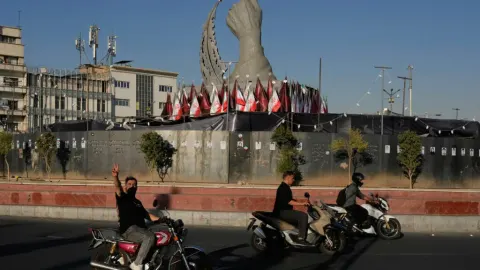
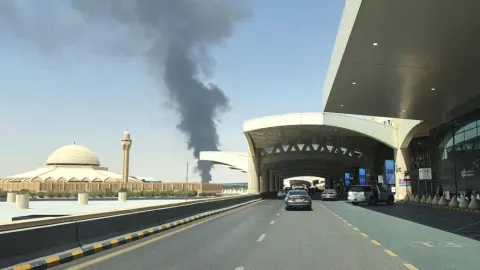
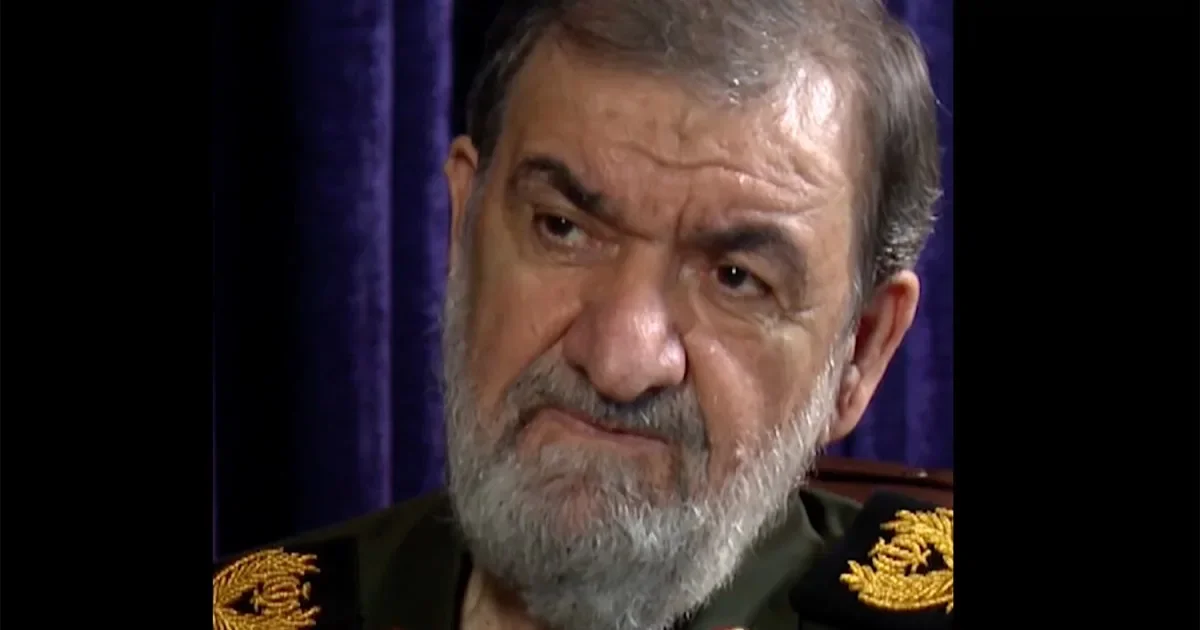
Recent reports suggest Iran has presented a new set of conditions for potentially ending its ongoing conflict with the United States. This development comes at a critical juncture, as regional escalations have propelled oil prices to breach the significant $100 per barrel mark. The specifics of Iran's demands remain undisclosed, but their release signals a complex diplomatic landscape where economic pressures and geopolitical maneuvering are intertwined. The Iranian economy, already strained by sanctions and internal challenges, faces further uncertainty with these developments, potentially impacting currency expectations and trade relations.
The timing of these conditions is particularly noteworthy, occurring as international attention is focused on the broader implications of regional instability. The rise in oil prices directly affects global markets and carries significant implications for economies worldwide, including Iran's own. For Iranians, the prospect of prolonged conflict or a fragile peace directly impacts their daily lives, influencing inflation, employment, and overall economic confidence. The government's articulation of these terms, as reported by Al Jazeera [6], likely aims to project strength while perhaps seeking concessions, but the ultimate outcome hinges on international responses and the de-escalation of regional tensions.
---
UK Startup Eyes Metaverse Concerts with $20 Million Funding
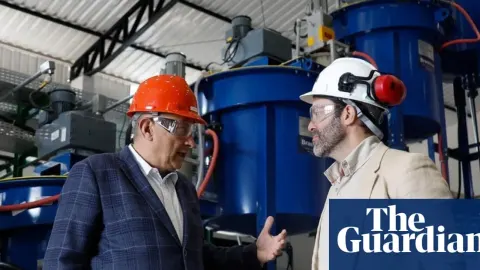
A United Kingdom-based startup, Unit1, has secured $20 million in funding to develop and host 'hyper-realistic' concerts featuring digital avatars. The company aims to recreate the experience of live performances, similar to the popular ABBA Voyage shows, allowing artists, both living and deceased, to perform in any venue through advanced digital technology. This ambitious venture, spearheaded by former entertainment executive Barney Wragg, has attracted investment from prominent tech backers like Balderton Capital.
The infusion of capital signifies a growing interest in immersive entertainment and the metaverse. Unit1's approach could democratize access to live music experiences, offering a potentially more affordable and accessible alternative to traditional concerts. For the music industry, this represents a new frontier for artist engagement and revenue streams, blurring the lines between physical and digital performance. The success of such ventures could reshape the future of live entertainment, creating new opportunities for artists and audiences alike, while also raising questions about intellectual property and the authenticity of virtual performances.
---
Iran's Economic Crisis Reshapes Marriage Aspirations
Young Iranians are facing significant challenges in realizing their dreams of marriage due to the country's persistent economic crisis, exacerbated by war and inflation. Reports from Al Jazeera [5] highlight how the soaring cost of living is forcing couples to postpone or abandon marriage plans, fundamentally altering traditional life choices. This socio-economic pressure is creating a ripple effect, impacting family formation and societal expectations.
The economic downturn, coupled with the ongoing geopolitical tensions that have pushed oil prices upwards, creates a bleak outlook for many young Iranians. The dream of a stable future, a prerequisite for marriage, is becoming increasingly elusive. This situation not only affects personal lives but also has broader implications for Iran's demographic future and social fabric. The government's focus on external conflicts, while its citizens grapple with basic economic survival, underscores a disconnect that fuels public discontent and uncertainty about the path forward.
---
Market Snapshot: Toman Strengthens Slightly as Gold Sees Modest Gains
The Iranian Toman experienced a minor uptick against the US Dollar in the last 24 hours, with the dollar selling price moving from 230,700 to 232,400 Toman, marking a 0.7% increase for the Toman. This slight appreciation, however, comes amidst broader regional instability that has driven oil prices above $100 per barrel, a factor that typically exerts upward pressure on the dollar and gold prices within Iran.
Gold prices also saw a modest rise, with 18-karat gold per gram increasing by 1.3% to reach 24,255,505 Toman. The Emami coin, a benchmark for gold coin value in Iran, also appreciated by 0.8%, moving from 237,500,000 to 239,500,000 Toman. While these gains are positive for gold holders, they reflect the ongoing inflationary pressures and the currency's underlying vulnerability. The market remains sensitive to geopolitical developments, particularly those impacting oil supply and regional security, which could quickly alter these price trends.
Watch
AXIS OF EVIL: Trump set to CONFRONT Xi on China-Iran's alliance
Fox News
Frequently Asked Questions
What are Iran's latest conditions for ending the war with the US?
How is the UK startup Unit1 planning to change the concert industry?
How is Iran's economic situation impacting marriage?
What was the 24-hour change in the USD/IRR exchange rate?
How did gold prices perform in Iran in the last 24 hours?
Geopolitical Risk and Global Oil Markets
Geopolitical risk refers to the potential for political events, conflicts, or instability in one region to significantly impact global economic and financial conditions. In the context of the Middle East, this concept is particularly vital due to the region's immense importance in global energy supply. When tensions escalate, such as conflicts involving major oil-producing or transit nations like Iran, the ripple effects can be felt worldwide, affecting everything from commodity prices to investor confidence.
One of the most immediate and visible impacts of heightened geopolitical risk in the Middle East is on global oil prices. The Strait of Hormuz, a narrow waterway off Iran's coast, is a critical chokepoint through which a significant portion of the world's seaborne oil passes daily. Any threat to this passage, or to oil production facilities in the region, can trigger a "fear premium" in oil markets. Traders anticipate potential supply disruptions, driving up crude oil prices even before actual shortages occur. This speculative buying reflects the market's sensitivity to perceived risks to global energy security.
These fluctuations in oil prices have profound consequences for national economies. For oil-importing nations, higher crude prices translate directly into increased costs for fuel, transportation, and manufacturing, often fueling inflation and potentially slowing economic growth. For oil-exporting nations like Iran, while higher prices might initially seem beneficial, geopolitical tensions can also lead to sanctions, reduced export volumes, and increased costs for maintaining security, ultimately undermining economic stability. The uncertainty created by geopolitical risk deters foreign investment, disrupts trade routes, and makes long-term economic planning exceedingly difficult, contributing to domestic inflation and economic hardship.