Riyadh Under Fire: Houthi Strikes and Moscow’s Drone Blitz Send Risk Premiums Soaring
حمله موشکی به ریاض و بحران پهپادی در مسکو: جهش تقاضا در بازار طلا و دلار تهران
A missile strike on Riyadh and a massive drone offensive against Moscow have rattled global markets, driving the Toman and gold prices higher in Tehran. As the US remains hesitant to intervene in the Saudi-Houthi conflict, geopolitical risks are reaching a boiling point.
At time of publishing
USD
232,500
Toman
Gold 18K
24.28M
Toman / gram
Bitcoin
$80,360
US Dollar
Tether
230,799
Toman
Saudi Arabia’s Security Crisis: Riyadh Under Fire
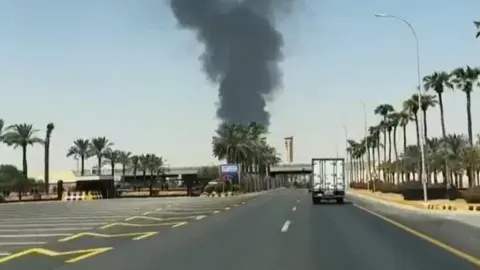
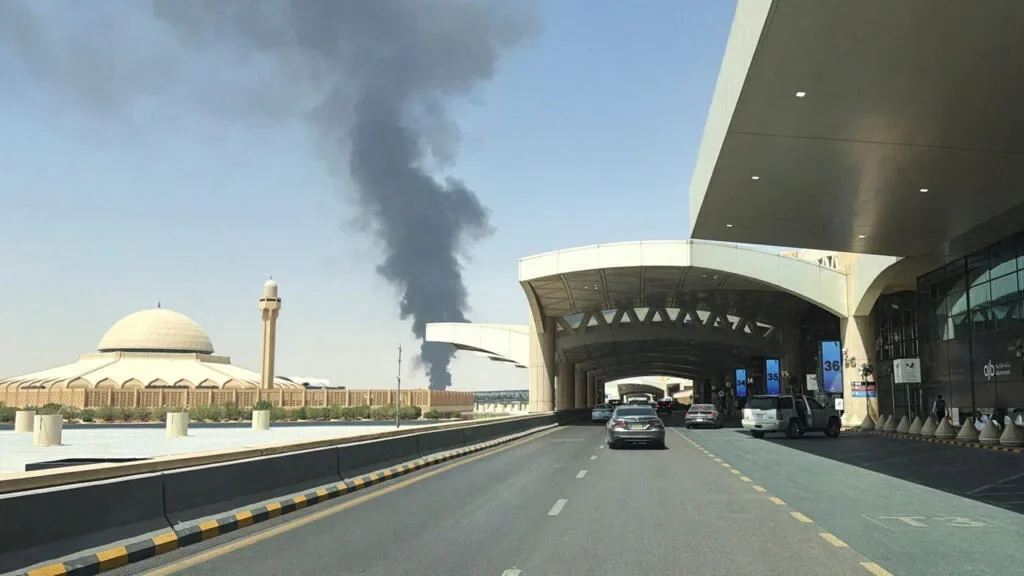
The regional security landscape shifted dramatically this Sunday as Houthi rebels launched a missile attack directly targeting Riyadh, marking a significant escalation in the long-running Yemen conflict. This strike follows a 'lightning offensive' by the Iran-backed group, which has reportedly seized vast swathes of territory in recent weeks. For the Saudi leadership, the timing is catastrophic; the attack signals that their domestic infrastructure is once again vulnerable, despite years of military spending. The psychological impact on the Saudi capital, coupled with the loss of hundreds of lives in recent clashes, suggests that the conflict is entering a far more volatile phase.
What is perhaps more striking is the apparent reluctance of the United States to intervene directly. Despite the long-standing alliance between Washington and Riyadh, the Biden administration has limited its response to cautionary warnings about escalation. Analysts like H. A. Hellyer suggest this hesitation stems from a broader American strategic shift away from Middle Eastern ground entanglements. For Iranian observers, this lack of Western support for Riyadh is a critical data point, suggesting a weakening of the traditional security umbrella in the Persian Gulf. This vacuum of power is already being felt in the markets, as traders price in a higher risk of prolonged regional instability.
Moscow’s Massive Drone Blitz and the Energy Fallout
On the final day of Russia's parliamentary elections, Ukraine launched its largest-ever drone offensive, firing over 1,000 unmanned aerial vehicles toward Moscow and other key regions. More significantly, Kyiv reportedly utilized its first ballistic missile of the war, a move that marks a crossing of a previous tactical red line. The strikes targeted a major oil refinery, causing substantial damage to Russia’s energy infrastructure. This operation was not merely a military maneuver but a calculated disruption of the Russian electoral process, aimed at demonstrating that the Kremlin cannot fully insulate its citizens or its economy from the ongoing war.
The damage to the oil refinery is particularly noteworthy for global energy markets. As one of Russia’s 'key oil industry facilities' was hit, the immediate consequence is a tightening of supply expectations. This energy-driven volatility is a primary reason for the renewed interest in safe-haven assets. When major producers like Russia face direct hits to their refining capacity, the inflationary pressure ripples through the global economy, eventually landing on the doorsteps of emerging markets. For the Iranian reader, this translates to a more expensive global commodities basket and continued pressure on the local currency as the world braces for potential energy shortages.
Tehran Markets: Gold and Dollar Surge on Regional Tensions
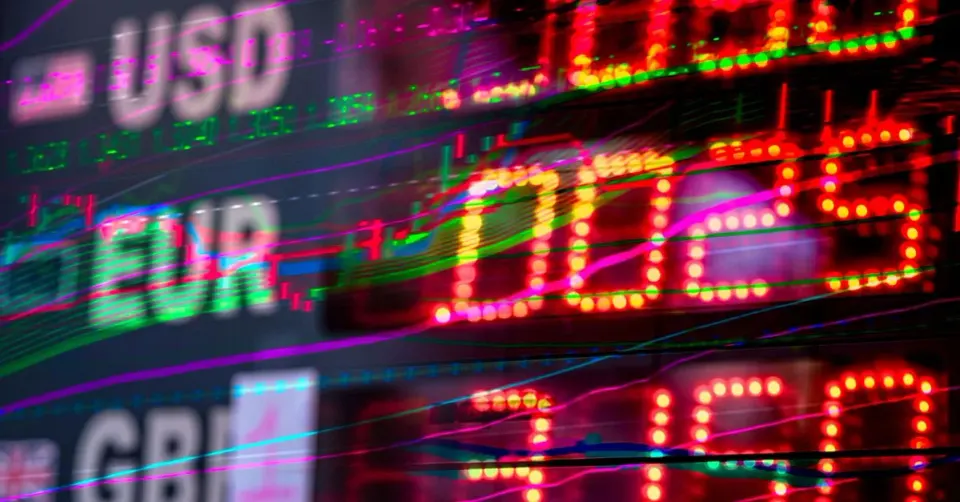
The combination of the Riyadh strike and the Moscow blitz has sent the Tehran market into a defensive posture. In the last 24 hours, the USD in the open market rose from 230,700 to 232,500 Toman, a 0.8% increase that reflects growing anxiety over regional stability. While the dollar's move was steady, gold experienced an even sharper rally. 18k gold per gram rose from 23,950,782 to 24,278,590 Toman, marking a 1.4% jump. This outperformance of gold relative to the dollar suggests that local investors are seeking the ultimate 'crisis hedge' as the specter of a broader regional conflict looms larger.
Meanwhile, in the digital asset space, Bitcoin has shown remarkable resilience, holding firm at the $80,360 level. Despite the chaos in traditional geopolitics, the crypto market is increasingly being viewed as independent of Washington’s policy shifts. While the Trump administration discusses the formation of an 'AI Force' and the appointment of an AI czar to maintain a technological edge, the core crypto liquidity remains driven by global adoption cycles rather than specific geopolitical skirmishes. However, for those holding Toman, the primary concern remains the domestic exchange rate, which continues to be hypersensitive to every missile launch and diplomatic failure in the region.
Global Brinkmanship: From Pyongyang to the Levant
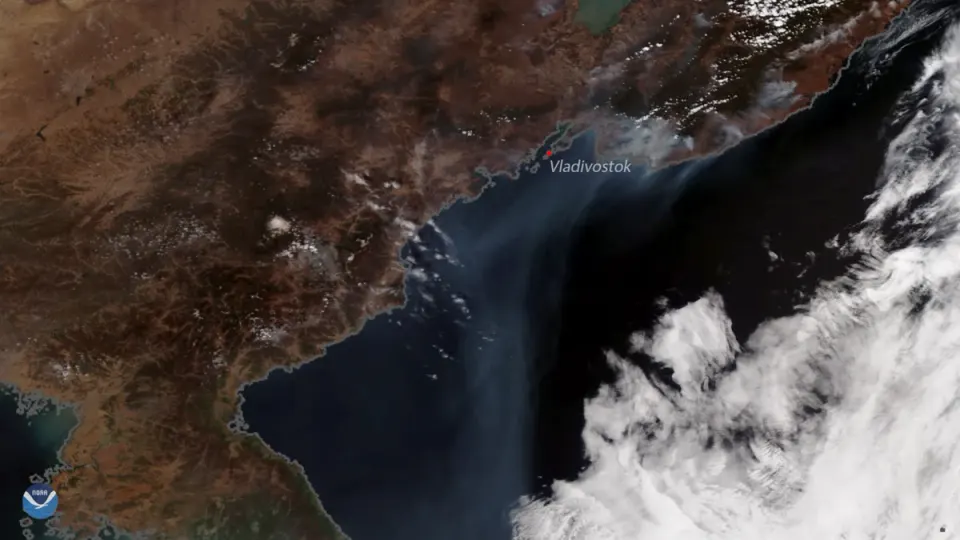
Adding to the global sense of unease, North Korea fired two short-range ballistic missiles into the sea this Sunday, a defiant gesture following its rejection of a UN resolution regarding its nuclear status. This move reinforces the narrative of a 'multi-front' global instability where traditional deterrence is failing. Simultaneously, in Israel, the documentary 'NAZA' has sparked a political firestorm. The film, which features anonymous IDF sources discussing civilian casualties in Gaza, has led Prime Minister Benjamin Netanyahu to threaten legislation that would revoke the citizenship of those 'defaming' the military. This internal Israeli friction, occurring just before crucial elections, adds another layer of unpredictability to the Levant.
For the global investor, these disparate events—from the Sea of Japan to the Mediterranean—form a coherent picture of a world where political and military norms are being dismantled. Whether it is a filmmaker in Israel facing threats for dissent or a billionaire Manchester United owner expressing a loss of confidence in the UK due to high taxes, the common thread is a breakdown in institutional trust. This environment favors hard assets and decentralized currencies, explaining why gold and Bitcoin remain at or near record highs while traditional diplomatic channels seem increasingly ineffective at containing the fires of conflict.
Watch
Houthi attacks and no Western support: What are Saudi Arabia's options ? • FRANCE 24 English
FRANCE 24 English
Frequently Asked Questions
Why is gold rising faster than the dollar in Tehran?
What is the significance of the Houthi strike on Riyadh?
How does the drone attack on the Russian refinery affect Iran?
Understanding the Risk Premium in Times of Geopolitical Instability
The headline "Riyadh Under Fire: Houthi Strikes and Moscow’s Drone Blitz Send Risk Premiums Soaring" points to a crucial concept in finance and economics: the risk premium. In essence, a risk premium is the additional return an investor expects or demands for taking on a higher level of risk. It's the compensation for holding a risky asset rather than a risk-free one. Investors are inherently risk-averse; they prefer certainty over uncertainty. Therefore, to entice them to invest in something with a chance of loss, they must be offered a higher potential reward. This premium is what makes investing in volatile markets, emerging economies, or companies with uncertain futures appealing compared to, say, government bonds from stable nations.
Geopolitical events, such as the Houthi missile attacks on Riyadh or drone strikes on Russian oil refineries, significantly heighten perceived risk. These conflicts introduce uncertainty about future economic stability, supply chains, and political landscapes. When such events occur, the "risk-free" rate might remain relatively stable, but the perceived risk associated with assets in the affected regions – or even globally, due to interconnectedness – skyrockets. For instance, the security crisis in Saudi Arabia could lead investors to demand a higher risk premium for investing in Saudi Arabian assets or even global oil futures, anticipating potential supply disruptions. Similarly, attacks on Russian infrastructure can affect global energy markets and investor confidence.
When risk premiums soar, several market dynamics come into play. Investors typically react by shifting away from riskier assets towards "safe-haven" assets like gold, certain government bonds (e.g., U.S. Treasuries), or stable currencies. This flight to safety can drive up gold prices and strengthen safe-haven currencies, while simultaneously putting downward pressure on equities, currencies of affected nations (like the Iranian Rial mentioned in keywords), and assets perceived as vulnerable to the conflict. Businesses also face higher borrowing costs as lenders demand a greater premium for the increased risk of default, potentially slowing investment and economic growth.
Ultimately, understanding the risk premium is key to grasping how geopolitical tensions translate into tangible financial market movements. It explains why a missile strike thousands of miles away can impact your investment portfolio or the price of commodities, as investors re-evaluate the compensation they require for holding assets in an increasingly uncertain world.