West Bank Violence Flares on Yom Kippur Eve as Tehran Markets Rise Amid Historic Russia Trade Push
تنش در کرانه باختری در آستانه یوم کیپور؛ صعود طلا و دلار در تهران همزمان با اعزام بزرگترین هیئت تجاری به روسیه
A surge in West Bank violence on the eve of Yom Kippur has heightened regional risks, while Tehran's currency and gold markets see steady gains. Meanwhile, Iran dispatches its largest trade delegation to Russia in a decade to bypass Western economic pressure.
At time of publishing
USD
231,400
Toman
Gold 18K
24.05M
Toman / gram
Bitcoin
$80,758
US Dollar
Tether
229,107
Toman
West Bank Violence Intensifies Ahead of Yom Kippur
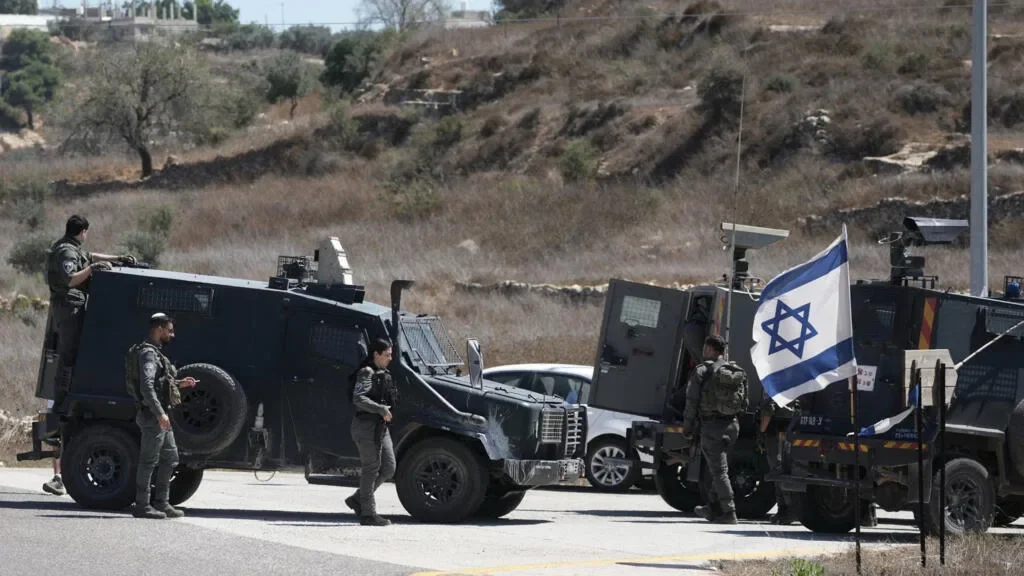
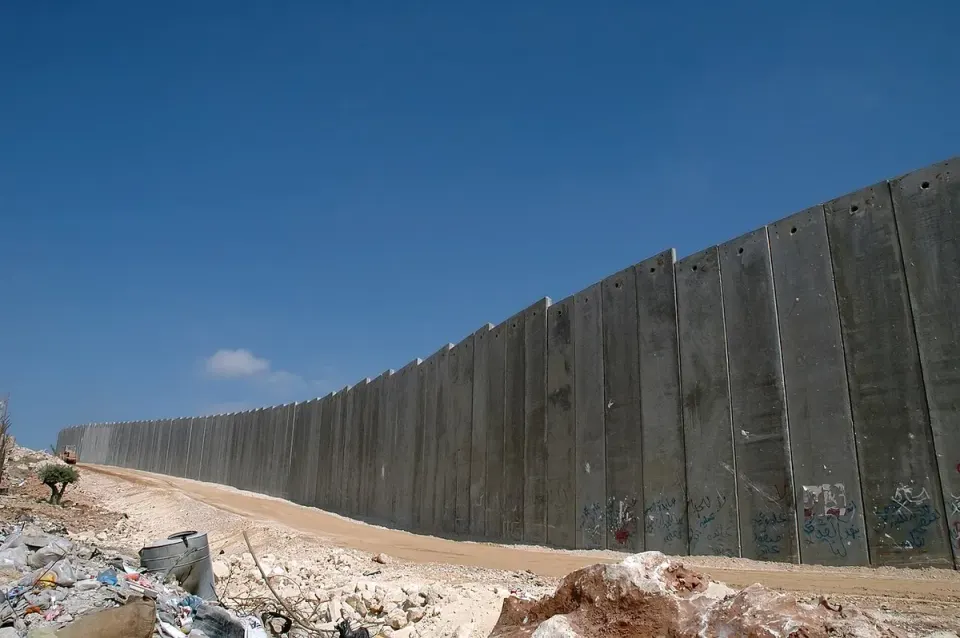
A fresh wave of violence has gripped the West Bank on the eve of Yom Kippur, the holiest day in the Jewish calendar, raising fears of a broader escalation in the region. According to Israeli officials, a suspected Palestinian gunman killed an Israeli man near a settlement before being tracked down and arrested at a hospital in Ramallah. In a separate incident elsewhere in the territory, Israeli soldiers shot and killed a Palestinian driver who they claimed was attempting a car-ramming attack. These events highlight the fragile security situation in the occupied territories, which has seen a marked increase in friction over the past several months.
For global observers and market participants, this flare-up serves as a reminder of the persistent geopolitical risk premium embedded in Middle Eastern assets. While the immediate impact on global oil prices remained muted during Sunday's low-volume trading, any further escalation during the holiday period could trigger a flight to safety. Historically, tensions during major religious observances in the region have the potential to catalyze larger diplomatic or military confrontations, keeping risk appetites suppressed for investors exposed to regional emerging markets.
Tehran Markets Edge Higher Amid Global Macro Shifts
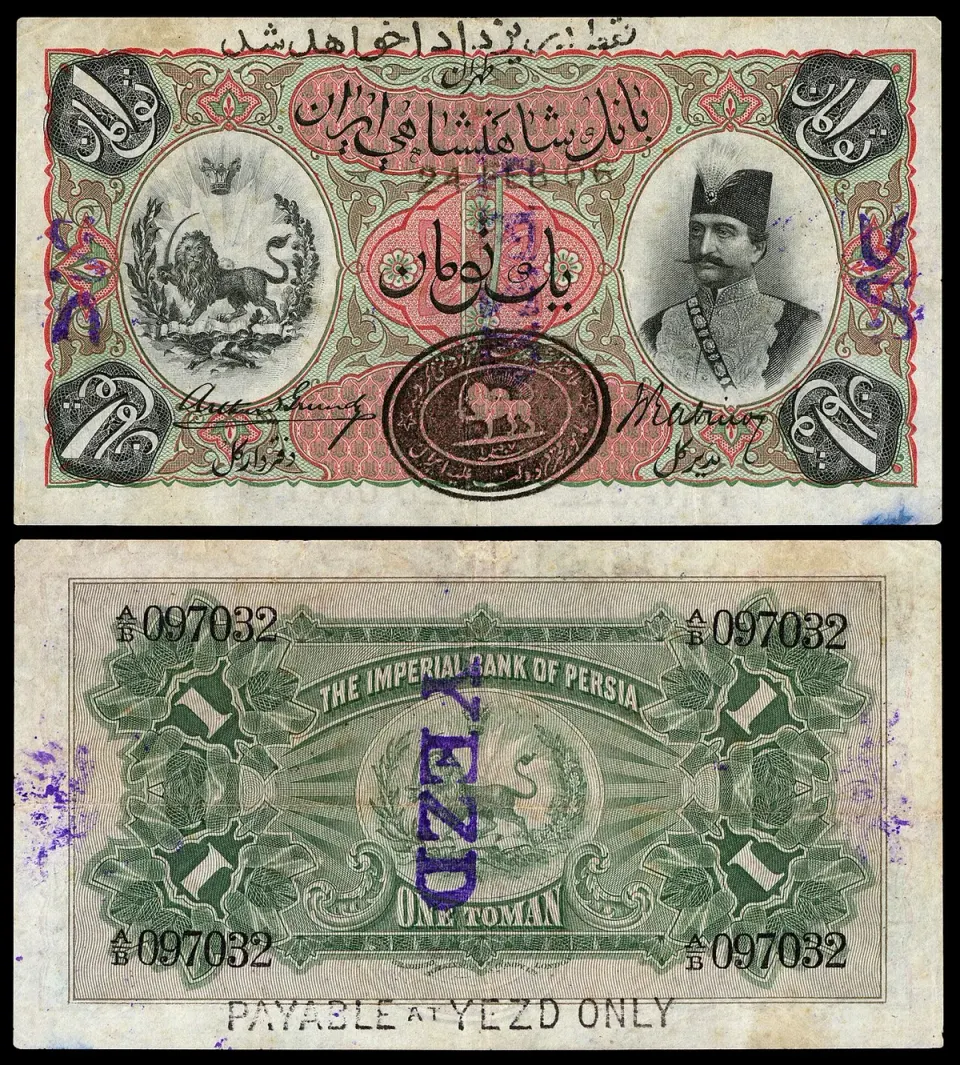
The Iranian market opened the week with a clear upward bias, as both currency and gold prices reflected ongoing inflationary pressures and shifting global sentiment. The US Dollar in Tehran's free market rose from 230,700 to 231,400 Toman, a 0.3% increase over the last 24 hours. This move coincided with a 0.4% rise in 18k gold, which reached 24,054,665 Toman per gram, and a 0.6% jump in the Emami gold coin to 239,000,000 Toman. These domestic gains are occurring against a backdrop of high global gold prices, with the international spot price currently holding at a staggering $4,379.00 per ounce.
Beyond domestic factors, the shadow of the US Federal Reserve continues to loom over global liquidity. With the Fed recently hiking interest rates to a range of 3.75%-4.0%, the cost of borrowing has surged, impacting everything from corporate dividends to personal equity. For Iranian investors, the combination of a strong USD and high global gold prices creates a double-edged sword: while it protects purchasing power against Toman devaluation, it also increases the cost of entry for those looking to diversify into hard assets. The steady climb in the Emami coin suggests that local capital is increasingly seeking refuge in physical gold as a hedge against both local currency volatility and regional geopolitical uncertainty.
Corporate Yields and the Search for Market Stability
In the global equity space, investors are grappling with diverging fortunes among major dividend payers. Kraft Heinz recently saw its payout ratio turn negative again while holding its dividend at $0.40, a signal of potential stress in its cash flow management. In contrast, Kinder Morgan has seen its payout ratio rebound to 77%, a move that analysts suggest could pave the way for future dividend raises. This divergence highlights the importance of fundamental analysis in a high-interest-rate environment where the "easy money" era has ended, and companies must prove their ability to generate real cash to sustain shareholder returns.
For those looking at alternative exposures, Binance has announced upcoming pre-IPO exposure via its wallet, though with significant caveats regarding eligibility and liquidity. This move towards tokenizing private equity represents a growing trend of bringing traditional finance (TradFi) mechanisms into the crypto ecosystem. However, with Bitcoin currently trading at $80,758, the broader crypto market remains in a consolidation phase, waiting for a definitive catalyst to break the current range. Investors are increasingly cautious, balancing the allure of high-growth tech and crypto against the safety of established dividend-paying stocks.
Iran’s Strategic Pivot: The Largest Trade Push to Russia
In a significant move to counter Western isolation, the Iranian government has dispatched its largest trade delegation to Russia in over a decade. According to reports from state-controlled media outlet IRNA, the delegation includes approximately 30 government officials and 180 representatives from chambers of commerce and private enterprises. This massive economic mission aims to solidify the "North-South" trade corridor and finalize agreements on banking integration, energy swaps, and industrial cooperation. The scale of the delegation suggests that Tehran is doubling down on its "Look to the East" policy, viewing Moscow as a critical partner in bypassing the global financial system.

However, this deepening alliance is not without its risks. While increased trade with Russia offers a temporary lifeline for the Iranian economy, it further entangles Tehran in Moscow's own sanctioned financial web. Critics argue that relying so heavily on a single, similarly isolated partner may limit Iran's long-term economic flexibility. For the average Iranian citizen, the success of these trade deals is measured by their impact on the cost of living and the availability of goods. Unless these high-level delegations translate into lower inflation or a stabilized exchange rate, the public perception of such diplomatic maneuvers will likely remain skeptical, especially as the Toman continues its gradual slide against major currencies.
Frequently Asked Questions
چرا تنش در کرانه باختری بر بازارهای مالی تأثیر میگذارد؟
دلیل اعزام هیئت تجاری بزرگ ایران به روسیه چیست؟
وضعیت سود سهام شرکتهای جهانی در شرایط فعلی نرخ بهره چگونه است؟
Sanctions Evasion and Economic Resilience through Bilateral Trade Agreements
Economic sanctions are a powerful tool of foreign policy, intended to pressure target nations by restricting their access to global markets, financial systems, and essential goods. Imposed by international bodies or individual countries, these measures aim to alter a target's behavior by inflicting economic pain. However, rather than leading to complete isolation, sanctioned nations often develop sophisticated strategies to circumvent these restrictions, seeking alternative pathways for trade and finance to maintain their economies.
One primary strategy for enduring severe sanctions is the formation of robust bilateral trade alliances with politically aligned or similarly sanctioned countries. Nations like Iran, facing extensive international restrictions, frequently turn to partners such as Russia to establish new trade routes, payment mechanisms, and supply chains. These alliances are crucial for securing vital imports, exporting domestic products, and building a parallel economic system less reliant on traditional Western-dominated financial infrastructures, thereby mitigating the intended impact of sanctions.
The "Tehran markets rise amid historic Russia trade push" mentioned in the headline exemplifies this dynamic. By fostering deeper trade ties with Russia, Iran can create new demand for its goods, access necessary resources, and potentially stabilize its domestic economy. This influx of trade and investment, even if conducted outside conventional global frameworks, can inject liquidity and confidence into local markets, influencing everything from the local currency's exchange rate (like the USD to IRR) to the price of safe-haven assets such as gold. Such a push demonstrates an effort towards economic resilience, where a nation actively builds alternative economic lifelines to counter external pressures.