Trump’s $5,000 Voter Pledge Shakes Markets as Bitcoin Stabilizes at $85,000 Amid Global Tensions
وعده جنجالی ۵۰۰۰ دلاری ترامپ و ثبات بیتکوین در ۸۵ هزار دلار؛ هشدار نظامی تهران در میانه رکود بازار
As the US midterms approach, Donald Trump’s aggressive campaign tactics and a potential 'blue wave' are reshaping market sentiment. Meanwhile, Bitcoin maintains its $85,000 level despite regional tensions and cooling domestic prices in Iran.
At time of publishing
USD
230,600
Toman
Gold 18K
23.83M
Toman / gram
Bitcoin
$85,050
US Dollar
Tether
230,532.434
Toman
Political Turbulence and the Crypto Hedge
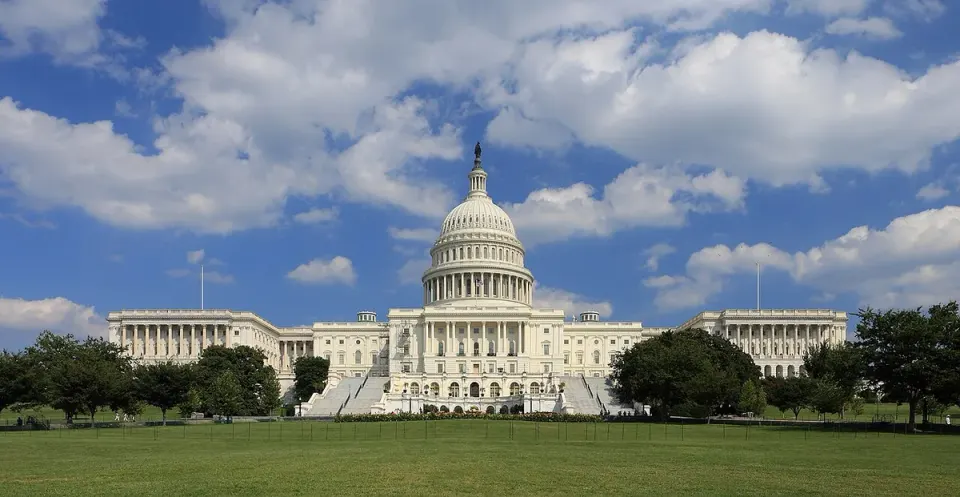
As the United States moves within six weeks of the 2026 midterm elections, the political landscape is becoming increasingly volatile, directly impacting global risk appetite. Former President Donald Trump has ramped up his campaign with a controversial proposal: offering $5,000 payments to voters who support Republican candidates. This move comes as polls suggest a potential "blue wave" that could see Democrats retake the House of Representatives. For investors, this uncertainty is a double-edged sword. While Trump’s fiscal promises suggest a potential for liquidity injections, his sliding approval ratings—exacerbated by the ongoing conflicts in the Middle East and rising commodity prices—have pushed many toward decentralized assets.
Bitcoin (BTC) has responded to this political theater by consolidating its recent gains, currently trading at $85,050. The cryptocurrency recently closed above its 50-week moving average for the first time in nearly a year, signaling a robust technical breakout. For the Iranian reader, this global trend is critical; as the U.S. dollar undergoes domestic political stress, Bitcoin often serves as a barometer for global instability. The market is currently weighing whether a Democratic sweep would lead to tighter crypto regulations or if a Republican resurgence under Trump would trigger another wave of inflationary spending that benefits hard assets.
Tehran Markets Cool Despite Regional Rhetoric
In Tehran, the domestic currency market has shown surprising resilience and a slight cooling trend despite heightened military rhetoric. Major General Amir Hatami, the Commander-in-Chief of the Army, recently claimed that any aggression against Iran's territorial integrity would face a "regret-inducing response." While such statements from Iranian officials are frequent, they often trigger immediate volatility in the free market. However, the USD sell rate moved from 230,900 to 230,600 Toman, marking a minor decrease of 0.1%. This suggests that the market may have already priced in the current level of regional tension, or that demand is being suppressed by broader economic stagnation.
The gold and coin markets have seen a more pronounced downward adjustment. The Emami coin dropped from 239,000,000 to 235,500,000 Toman, a significant 1.5% decrease in just 24 hours. Similarly, 18k gold fell by 0.7% to 23,833,048 Toman per gram. This divergence between the stable dollar and falling gold prices indicates a localized correction after recent highs. Investors should watch the 230,000 Toman level for the USD closely; a break below this could signal a short-term bearish trend, while any actual escalation in the West Bank or the Persian Gulf could quickly reverse these gains.

Tech Giants Launch the 'Googlebook' Challenge
In the technology sector, a major shift in the hardware landscape has arrived with the official launch of the "Googlebook" banner. Partners including Acer, Asus, Dell, HP, and Lenovo have unveiled the first five models, ranging from $899 to $1,299, aimed directly at breaking Apple’s ecosystem dominance. These laptops are designed to offer the same seamless connectivity for Android users that iPhone owners have long enjoyed with MacBooks. This move is more than just a product launch; it represents a strategic attempt by Google to lock in the billions of Android users worldwide into a cohesive hardware environment.
For the global economy, this launch comes at a time when consumer electronics demand has been lukewarm. By integrating deep AI capabilities—similar to Apple’s recent M5 and M6 chip updates—Google is betting that productivity-focused hardware will drive the next upgrade cycle. Meanwhile, Apple is navigating its own hurdles, implementing "battery-firmware" solutions for the iPhone 18 Pro Max to bypass international shipping restrictions on high-capacity batteries. This ongoing "spec-war" between Silicon Valley giants continues to provide a floor for tech stocks, even as broader industrial sectors face pressure from record-high diesel prices and energy shortages in markets like India.

Global Logistics and Regional Friction
Geopolitical friction remains a primary driver of market uncertainty outside of the tech and crypto spheres. In the Israeli-occupied West Bank, a new wave of violence involving both settlers and Palestinians has heightened fears of a broader regional spillover. While the immediate impact on global oil prices has been mitigated by high production elsewhere, the constant threat to Middle Eastern stability keeps a "risk premium" baked into energy costs. This is particularly relevant as India reports critical lows in coal inventory, with nearly 40% of its power plants running on less than three days of stock, threatening the manufacturing backbone of one of the world's fastest-growing economies.
Furthermore, logistical disruptions are appearing in unexpected places, such as the United Kingdom, where air traffic control issues have once again grounded flights across Scotland and England. While seemingly localized, these events contribute to a sense of fragility in global infrastructure. When combined with record diesel prices that are putting upward pressure on inflation, the global economic outlook remains cautious. For the Iranian observer, these disruptions in the West often translate into fluctuating demand for oil and gas, which remains the lifeblood of the national budget, despite the government's efforts to diversify revenue through increased domestic taxation.
Watch
Midterm elections: Trump looms large over 2026 vote as Democrats eye gains • FRANCE 24 English
FRANCE 24 English
Frequently Asked Questions
چرا قیمت سکه در تهران با وجود ثبات دلار ریزش کرد؟
تأثیر وعده ۵۰۰۰ دلاری ترامپ بر بازار کریپتو چیست؟
گوگلبوک چیست و چه تفاوتی با لپتاپهای معمولی دارد؟
Understanding Geopolitical Risk and Its Impact on Financial Markets
Geopolitical risk refers to the potential for political events, conflicts, or instability between nations or regions to disrupt the global economy and financial markets. Unlike purely economic factors, these risks stem from non-economic origins such as wars, diplomatic tensions, trade disputes, or domestic political upheavals, yet they carry profound economic consequences. Investors constantly monitor these developments because they introduce significant uncertainty, influencing everything from commodity prices to currency exchange rates and stock market valuations. The headline's mention of "global tensions" and specific regional events underscores the pervasive nature of this risk.
The impact of geopolitical risk on traditional financial markets is multifaceted. During times of heightened tension, investors often seek "safe-haven" assets, such as gold, the U.S. dollar, or government bonds, which are perceived to hold their value better than riskier assets like stocks. Conversely, equity markets typically experience increased volatility and downward pressure as investor confidence wanes. Commodity markets are particularly sensitive; for instance, conflicts in oil-producing regions can lead to spikes in crude oil prices, directly affecting global inflation and the cost of goods like diesel. Currency exchange rates, such as the USD/IRR mentioned in the keywords, can also fluctuate dramatically as capital flows react to perceived stability or instability in different economies.
Cryptocurrencies like Bitcoin present a more complex reaction to geopolitical risk. Initially, some proponents viewed Bitcoin as a digital safe haven, a decentralized asset immune to the control of any single government or central bank, making it attractive during periods of traditional financial instability or currency devaluation. This perspective suggests that during global tensions, Bitcoin might see increased demand. However, Bitcoin is also a relatively new and highly volatile asset class, often correlated with broader risk-on/risk-off sentiment in global markets. Its price movements can be influenced by overall market fear or speculation rather than solely acting as a hedge. Thus, while it might stabilize at certain levels amid tensions, its long-term behavior in such environments remains a subject of ongoing debate and observation among investors.
Topics
Related Articles