Iran Addresses Rare Disease Crisis as Markets Cool; Bitcoin Eyes $82k Amid Global Election Shifts
نشست بررسی بیماریهای نادر در تهران همزمان با عقبنشینی طلا؛ بیتکوین در آستانه ۸۲ هزار دلار
Tehran's Medical Commission meets to tackle the growing rare disease crisis as local gold prices retreat. Meanwhile, Bitcoin tests major resistance at $82,000 and Russian election results signal continued Kremlin dominance.
At time of publishing
USD
230,800
Toman
Gold 18K
23.85M
Toman / gram
Bitcoin
$81,621
US Dollar
Tether
230,745.07
Toman
Healthcare Crisis: Rare Diseases Foundation Seeks Solutions in Tehran
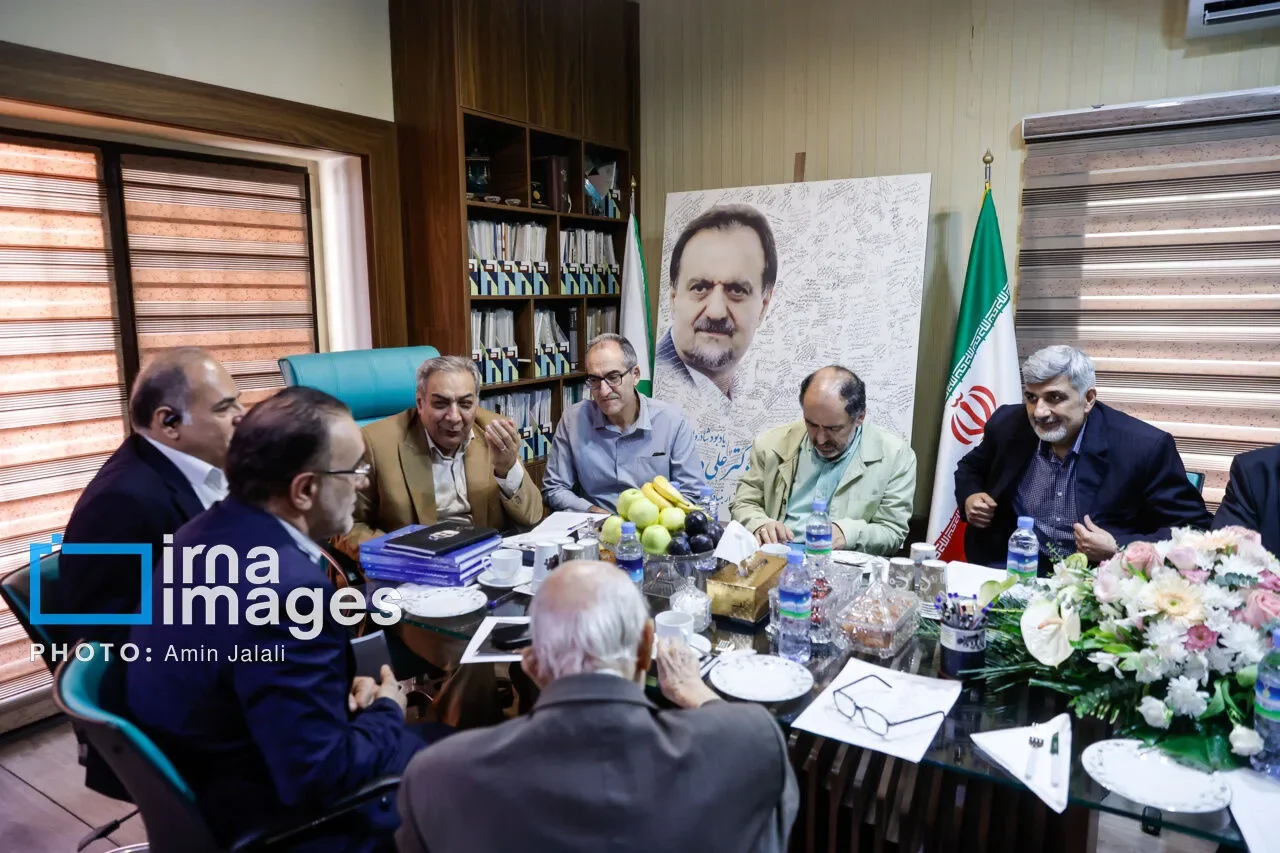
The Medical Commission of Iran’s Rare Diseases Foundation convened a high-level meeting in Tehran on September 20, 2026, to address the escalating challenges facing patients with hard-to-cure conditions. Led by Dr. Mohammad Raiszadeh, head of the Medical Council of Iran, the session focused on the critical shortages of specialized medicine and the prohibitive costs of treatment that have left thousands of families in financial ruin. The gathering of medical experts and policy advisors highlights a growing recognition within the healthcare sector that the current infrastructure is failing to provide a safety net for those with rare genetic and chronic disorders.
For the average Iranian reader, this meeting is more than a bureaucratic formality; it reflects the deep-seated impact of economic isolation on public health. While officials often blame international sanctions for the lack of medical supplies, internal mismanagement and the volatile exchange rate have equally contributed to the scarcity of life-saving drugs. The foundation’s attempt to centralize health-related data and streamline treatment protocols is a desperate move to optimize limited resources, yet without significant fiscal reform or a stabilization of the Toman, the accessibility of these treatments remains a distant hope for the marginalized.

---
Security and History: Radan Issues Warning Amid War Anniversaries
Brigadier General Ahmadreza Radan, the Commander of the Law Enforcement Command, has issued a stern warning against any foreign aggression, stating that any "false illusion" by enemies of the state would meet a "regret-inducing response." This rhetoric comes at a sensitive time as Iran reflects on the historical anniversary of the 1980 Iraqi border strikes that preceded the eight-year war. By invoking the memory of past conflicts and the high cost of defense, the security apparatus is attempting to project a image of modern-day invincibility to deter regional rivals and maintain domestic order during a period of economic fragility.
This posture of defiance serves a dual purpose: it acts as a geopolitical signal to Western and regional powers while also serving as a nationalist rallying cry for a domestic audience weary of talk of war. However, the reality on the ground remains complex, as the IRGC and regular forces must balance these aggressive statements with the practical limitations of a sanctioned military budget. For citizens, such warnings often correlate with increased security presence in urban centers and a tightening of social controls, reinforcing the state's priority on stability over political liberalization.
---
Market Analysis: Gold Retreats as Bitcoin Tests $82,000 Resistance
The Tehran market is witnessing a notable cooling in the precious metals sector this hour. Gold 18k per gram has dropped from 24,008,495 to 23,846,899 Toman, marking a 0.7% decline over the last 24 hours. Even more significant is the movement in the coin market, where the Emami coin fell from 239,000,000 to 236,000,000 Toman, a 1.3% decrease. This downward trend suggests a temporary saturation in local demand, even as the global gold ounce remains historically high at $4,351.70. The USD sell rate has remained virtually unchanged, holding steady at 230,800 Toman, indicating a rare moment of equilibrium in the currency market.
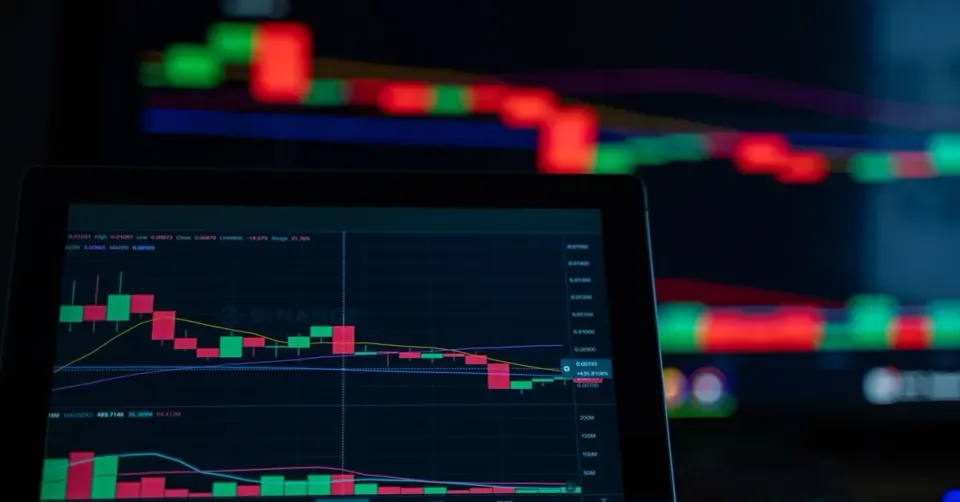
In the digital asset space, Bitcoin is showing immense strength, currently trading at $81,621 and testing a critical "double top" resistance level near $82,000. This surge is being fueled by increased institutional interest and the growing adoption of tokenized stocks, which has boosted overall crypto sentiment. For Iranian investors who have shifted their capital into crypto to hedge against Toman depreciation, this rally provides a significant buffer. However, technical indicators like the Money Flow Index (MFI) suggest the market is becoming overextended, and a correction could be imminent if the $82k barrier is not convincingly broken.
---
Global Politics: Russian Elections and German Shifts
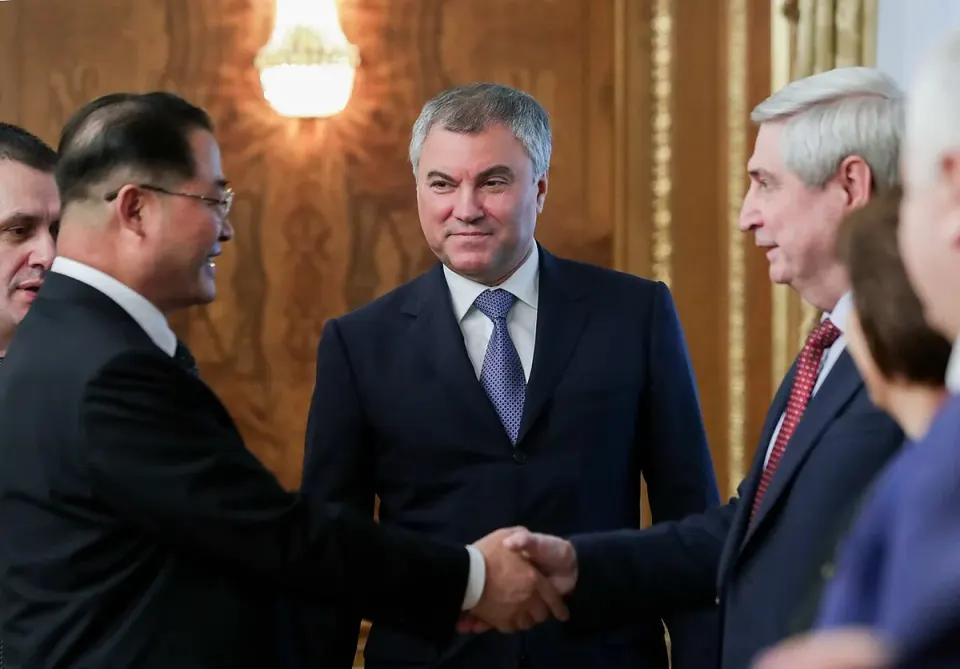
On the international stage, preliminary results from the Russian parliamentary elections suggest that the Kremlin-backed United Russia party is on track to maintain its constitutional majority. This outcome, described by analysts as "no surprise," ensures that Vladimir Putin’s administration will continue to have a free hand in legislative matters, including the ongoing war efforts and economic realignments toward the East. For Iran, a stable and predictable Russian leadership is vital for maintaining the current strategic partnership, particularly in the energy and defense sectors where the two nations have deepened their cooperation.
Simultaneously, Germany is reeling from regional election results that saw a significant defeat for Chancellor Friedrich Merz’s CDU. The rise of the far-right AfD and the hard-left Die Linke in different states signals a fragmenting European political landscape. This internal instability in Europe’s largest economy could lead to a more inward-looking German foreign policy, potentially weakening the unified European stance on issues ranging from Middle East diplomacy to trade sanctions. As these political shifts unfold, the global order continues to move toward a more multipolar and volatile state, directly impacting global trade routes and diplomatic negotiations.
Frequently Asked Questions
Why is gold falling in Iran while the global price is high?
What is the significance of the $82,000 level for Bitcoin?
How do the Russian election results affect Iran?
Understanding Geopolitical Risk and Its Impact on Financial Markets
Geopolitical risk refers to the potential for political events, conflicts, or shifts in international relations to disrupt the global economy and financial markets. These risks can stem from a wide array of sources, including elections, trade wars, military conflicts, changes in government policy, or even significant leadership transitions. Unlike standard economic indicators, geopolitical risks are often unpredictable and can introduce high levels of uncertainty, prompting investors to reassess their strategies and reallocate capital.
When geopolitical tensions escalate, financial markets typically react with increased volatility. Investors often seek "safe-haven" assets like gold, certain stable currencies (such as the U.S. dollar or Swiss franc), or government bonds, which are perceived as less susceptible to political turmoil. Conversely, assets tied to specific regions or those considered riskier, such as emerging market equities, local currencies like the Iranian Rial, or even cryptocurrencies like Bitcoin and Emami coin, can experience sharp declines or unpredictable fluctuations as capital flees to perceived safety. The headline's mention of Bitcoin eyeing $82k amid "Global Election Shifts" directly illustrates how political events are seen as drivers for market movements.
The ripple effect of geopolitical risk is far-reaching. Elections in major economies, like those in Russia or regional votes in Germany, can signal shifts in alliances, trade policies, or regulatory environments, impacting global supply chains and commodity prices. Locally, figures like General Ahmadreza Radan or domestic policies related to issues like rare disease foundations, while seemingly distinct, are part of a broader national context whose stability and direction are continuously assessed by investors. This constant evaluation influences everything from the Tehran gold market to the USD/IRR exchange rate, demonstrating how interconnected global politics and local economies truly are.
Ultimately, understanding geopolitical risk is crucial for anyone navigating today's complex financial landscape. It highlights that market movements are not solely driven by economic fundamentals but are deeply intertwined with political stability, international relations, and the perceived future direction of nations. For investors, policymakers, and even the general public, recognizing these connections allows for a more informed perspective on economic trends and potential disruptions.
Topics
Related Articles