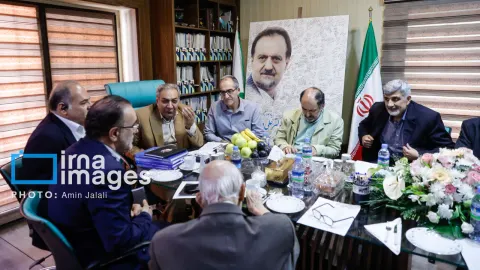
Charge Dropped in Alan Jones Trial as Drone Swarms Hit Moscow; Toman Markets Cool Amid Hormuz Shipping Slump
لغو یکی از اتهامات جنجالی آلن جونز همزمان با حملات پهپادی به مسکو؛ آرامش نسبی در بازار ارز و طلا
A high-profile Australian legal case sees a major charge withdrawn, while hundreds of drones target Moscow on Russia's election day. Meanwhile, shipping traffic in the Strait of Hormuz has plummeted, coinciding with a slight cooling in Tehran's currency and gold markets.
At time of publishing
USD
230,100
Toman
Gold 18K
23.96M
Toman / gram
Bitcoin
$82,430
US Dollar
Tether
228,250
Toman
Legal Shift in Australia: Major Charge Withdrawn in Alan Jones Trial
In a dramatic turn of events in Sydney, prosecutors have withdrawn a significant allegation against former broadcaster Alan Jones. The charge involved an indecent assault against a 17-year-old boy, pseudonymized as 'F'. This development reduces the number of alleged victims in the high-profile trial to five, marking a potential shift in the momentum of a case that has gripped Australian media. The court heard that the prosecution decided to drop the charge on Monday afternoon, though four other witnesses testified they did not observe any alleged offenses against a different complainant.
This legal battle is being watched closely far beyond Australia's borders as a litmus test for how high-profile historical allegations are handled in the modern judicial system. For Iranian readers and the international community, such cases underscore the evolving nature of media accountability and legal scrutiny for public figures. The withdrawal of a complainant often suggests a lack of corroborating evidence or a change in the witness's willingness to proceed, which can fundamentally alter the defense strategy and the eventual verdict of the remaining charges.
Geopolitical Escalation: Hundreds of Drones Target Moscow on Election Day
The final day of the Russian elections has been marked by a massive aerial offensive, as Ukraine reportedly launched hundreds of drones targeting Moscow and other Russian regions. According to reports from the New York Times, Kyiv utilized a newly developed ballistic missile in these attacks, signaling a significant leap in Ukraine's long-range strike capabilities. This escalation is timed to disrupt the political optics of the election's conclusion, bringing the reality of the front line directly to the Russian capital.
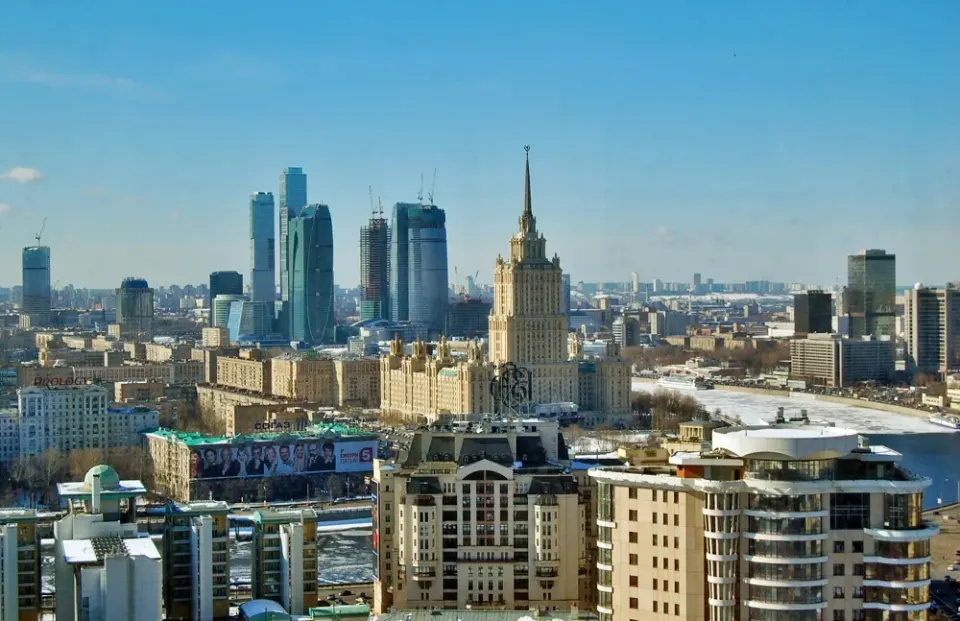
Beyond the immediate tactical damage, this surge in drone activity has profound implications for regional stability and global energy markets. As the conflict enters a more technologically advanced phase with the introduction of new ballistic systems, the risk of a wider escalation increases. For global investors, this volatility often drives capital toward safe-haven assets, though the immediate impact on oil prices remains tempered by shifting supply dynamics elsewhere. The use of indigenous ballistic technology by Ukraine also suggests a diminishing reliance on Western-supplied long-range weapons for deep-strike missions.
Energy and Markets: Hormuz Traffic Slumps as Tehran Prices Cool
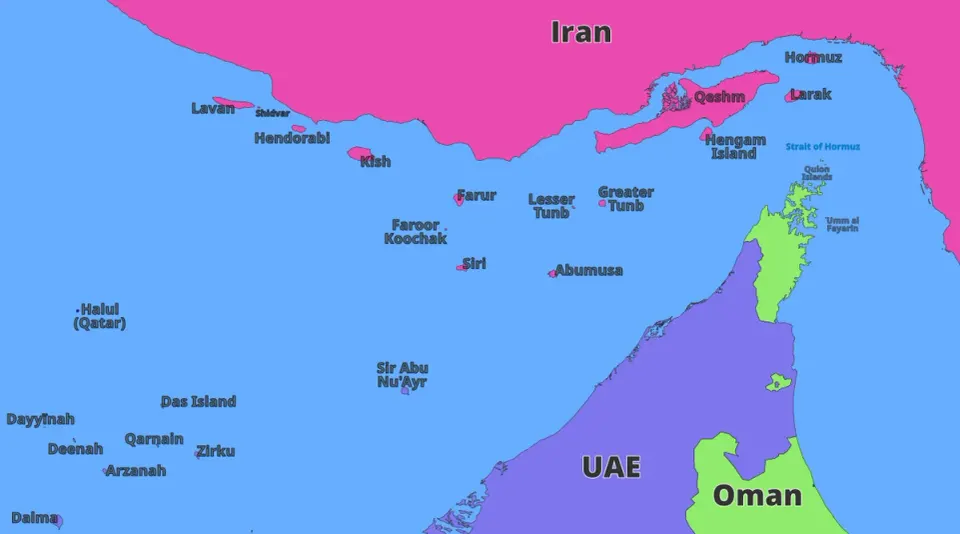
Shipping traffic through the Strait of Hormuz, the world's most critical energy chokepoint, has seen a sharp decline. Recent data indicates that only a dozen commodity vessels made the passage this past weekend, a staggering drop from the 35 tankers recorded just a week prior. While some of this decline may be attributed to ships turning off transponders to avoid detection, the trend points toward heightened caution among global shipping firms. Interestingly, this regional tension has not immediately spiked domestic prices in Iran; instead, the market is seeing a rare moment of cooling.
In the Tehran market, the US Dollar (USD) moved from 230,900 to 230,100 Toman, a decrease of 0.3%. The gold market followed suit, with 18k gold per gram sliding from 24,008,495 to 23,962,325 Toman (-0.2%). The most notable move was in the Emami coin, which dropped from 239,000,000 to 237,000,000 Toman, representing a 0.8% decline. This cooling suggests that domestic demand may be hitting a temporary ceiling, or that traders are waiting for clearer geopolitical signals before committing to further bullish positions. For the average Iranian consumer, this minor reprieve in the exchange rate offers a brief stabilization in purchasing power amidst broader inflationary pressures.
Domestic Focus: President Pezeshkian Opens the New School Year
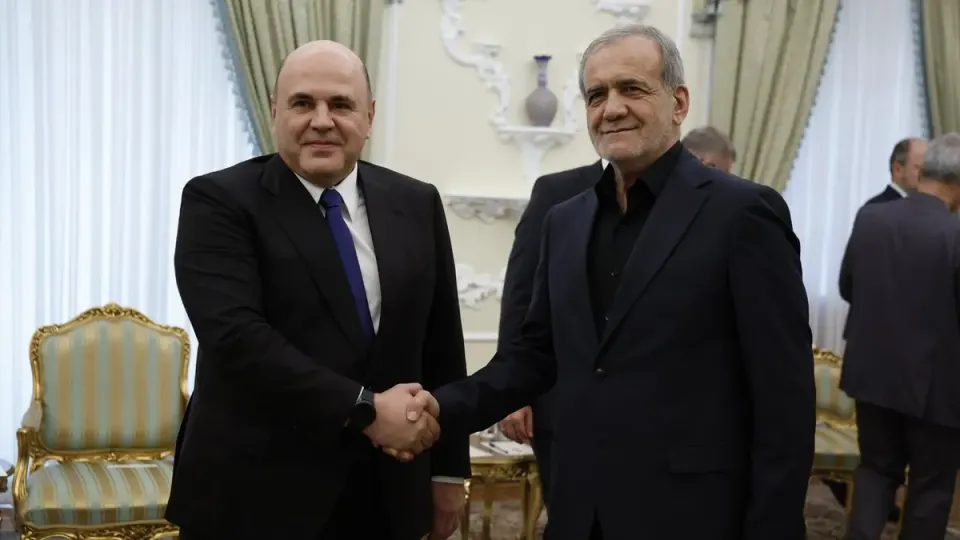
President Masoud Pezeshkian marked the beginning of the new academic year in Iran by ringing the ceremonial bell at the Fatemeh Zahra Elementary School in downtown Tehran. During the "Celebration of Blossoms," the President emphasized that the acquisition of knowledge and practical skills is the primary path to solving the country's multi-faceted problems. His address focused on the youth as the engine of future national development, urging a shift toward education that translates into real-world problem-solving rather than just theoretical learning.
This emphasis on skill-based education comes at a time when the Iranian economy is struggling with a mismatch between university graduates and the actual needs of the labor market. By highlighting "practical skills," the administration is signaling a desire to reform the educational sector to better support industrial and technological growth. For families across Iran, the start of the school year remains a significant financial and social milestone, often serving as a barometer for public sentiment regarding the government's ability to manage social services and long-term national prospects.
Frequently Asked Questions
چرا اتهام آلن جونز لغو شد؟
تأثیر کاهش تردد در تنگه هرمز بر قیمتها چیست؟
موشک بالستیک جدید اوکراین چه ویژگی دارد؟
Understanding Strategic Choke Points and Their Economic Ripple Effects
In an interconnected global economy, certain narrow maritime passages, known as strategic choke points, hold immense importance. These are crucial bottlenecks through which a significant portion of global trade, particularly energy shipments, must pass. Disruptions at these points, whether due to geopolitical tensions, piracy, or natural disasters, can send economic tremors across continents, impacting everything from oil prices to local currency stability. The recent mention of a "Hormuz Shipping Slump" highlights the acute vulnerability associated with such critical arteries.
The Strait of Hormuz is perhaps the most prominent example of a strategic choke point. Situated between the Persian Gulf and the Gulf of Oman, it is the sole maritime passage for a substantial portion of the world's crude oil and liquefied natural gas (LNG) exports, especially from major producers like Saudi Arabia, Iran, UAE, Kuwait, and Iraq. Any threat to shipping in this strait, as implied by a "shipping slump," immediately raises concerns about global energy supplies, leading to higher oil prices, increased shipping insurance premiums, and longer transit times as vessels seek alternative, often costlier, routes.
For economies directly bordering these choke points, like Iran, the impact is particularly acute. A "Hormuz Shipping Slump" can severely curtail oil exports, a primary source of revenue, and complicate the import of essential goods. This reduction in foreign currency earnings, coupled with increased costs for trade, puts immense pressure on the national currency, leading to depreciation (e.g., affecting the "USD IRR price"). Consequently, "Toman Markets Cool" as economic activity slows, and citizens often turn to stable assets like gold (reflected in "Emami coin price Iran" and "Tehran gold market update") as a hedge against inflation and currency devaluation. Understanding these choke points is key to grasping the intricate relationship between geopolitics and global economic stability.
Topics
Related Articles