US Farmers Urge Trump Action Amid Rising Prices; Hormuz LNG Risk Grows
کشاورزان آمریکا خواستار اقدام ترامپ شدند؛ خطر LNG هرمز افزایش یافت
As US farmers face escalating costs driven by tariffs and geopolitical tensions, a key Republican ally is urging Donald Trump to intervene with measures like a diesel export embargo. Meanwhile, critical LNG infrastructure in Qatar faces significant risk due to ongoing disruptions in the Strait of Hormuz, potentially impacting global energy supplies.
At time of publishing
USD
229,800
Toman
Gold 18K
23.70M
Toman / gram
Bitcoin
$85,821
US Dollar
Tether
228,556
Toman
US Farmers Demand Trump Intervention Amid Price Surge
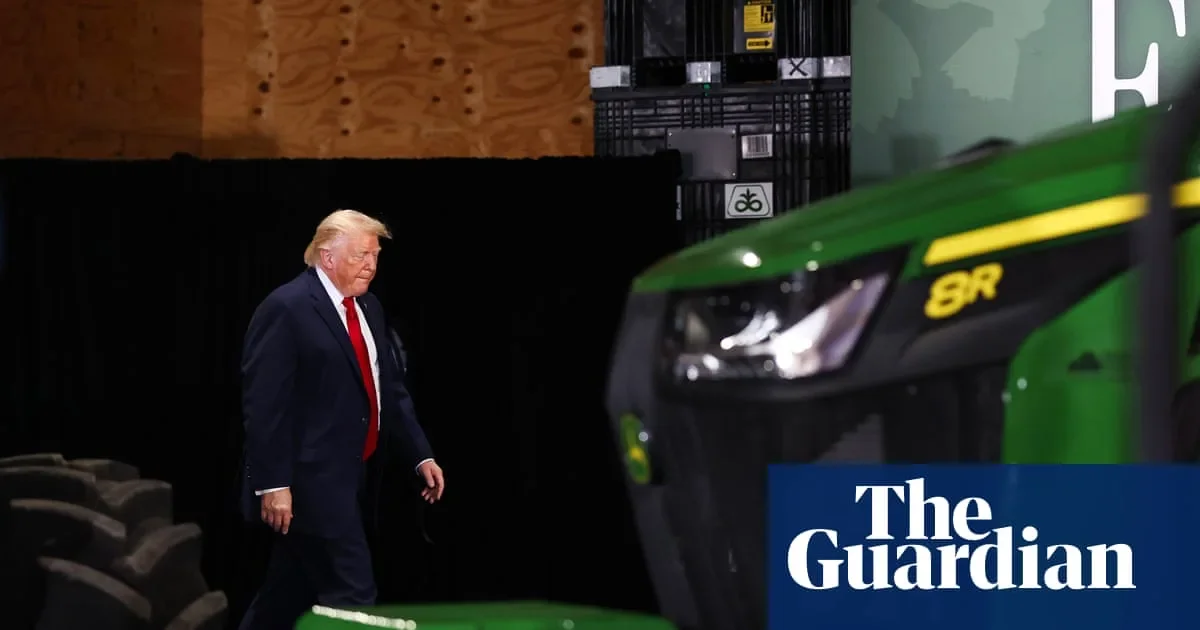
Iowa Senator Chuck Grassley has publicly called on former President Donald Trump to address the mounting anger among US farmers over soaring prices, particularly for diesel fuel. Grassley advocates for a direct intervention, suggesting an embargo on diesel exports as a means to alleviate the financial pressure on the agricultural sector. This plea highlights a critical disconnect between the administration's policies and the on-the-ground realities faced by a vital American industry, which is grappling not only with high fuel costs but also with the broader economic fallout from ongoing international conflicts and trade disputes.
The situation is exacerbated by a confluence of factors, including the lingering effects of trade tariffs and the disruptions caused by the recent conflict involving Iran. These elements have collectively driven up operational costs for farmers, impacting everything from planting to harvesting. The demand for Trump's intervention underscores a growing sentiment that the current economic policies are failing to adequately support the agricultural backbone of the US economy, potentially jeopardizing food security and rural livelihoods. The call for specific actions, such as an export embargo, signals a desire for immediate, tangible relief rather than abstract policy promises.
---
Hormuz LNG Bet at Risk Amid Blockade
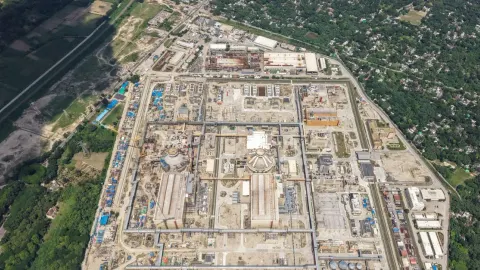
QatarEnergy CEO Saad al-Kaabi has voiced significant concerns that ongoing disruptions in the Strait of Hormuz could jeopardize Qatar's ambitious $83 billion LNG expansion plans. Critical equipment needed for the North Field South expansion, slated for 2028, cannot reach the country due to the blockade, potentially delaying crucial production timelines. This situation is compounded by the impact of Iran's March 18 missile strike on Ras Laffan, which already crippled two of Qatar's LNG trains and reduced its export capacity by 17%.
The Strait of Hormuz is a critical chokepoint for global energy shipments, and any sustained blockage or significant disruption carries immense implications for international markets. For Qatar, a delay in its LNG expansion means not only a loss of projected revenue but also a potential weakening of its position as a leading global supplier of liquefied natural gas. The reliance on this waterway for vital infrastructure and supplies highlights the fragility of the region's energy security and the far-reaching consequences of geopolitical instability on major economic projects.
---
Stocks and Bonds Rise on Easing Oil Fears
Global stock and bond markets experienced a positive surge today, largely driven by receding fears surrounding oil supply disruptions and a perceived de-escalation in tensions between the United States and Iran. The decline in oil prices, a key indicator of geopolitical risk in the energy sector, provided a significant tailwind for equities and fixed income, suggesting a renewed sense of optimism among investors about the stability of global trade and energy flows.
This market reaction underscores the profound impact that energy prices and geopolitical stability have on investor sentiment and asset valuations. As oil prices eased, the immediate threat of inflation, driven by supply shocks, diminished. This allowed investors to reallocate capital towards riskier assets like stocks and away from the perceived safety of bonds, signaling a broader shift in market sentiment. The stability in the Toman, with the USD falling slightly against it, also reflects this cautious optimism, though underlying economic pressures remain.
USD/IRR moved from 230,900 to 229,800 (-0.5%). Gold 18k/gram fell from 24,008,495 to 23,696,846 (-1.3%). Emami coin dropped from 239,000,000 to 234,000,000 (-2.1%).
Frequently Asked Questions
What specific action is being proposed to help US farmers?
How are disruptions in the Strait of Hormuz affecting Qatar's LNG plans?
What caused the recent rise in global stocks and bonds?
What was the 24-hour change for key Iranian market assets?
The Geopolitical Significance of Maritime Chokepoints in Global Energy Markets
Global energy markets are intricately linked to a network of maritime routes, many of which pass through narrow, strategically vital waterways known as chokepoints. These are geographical bottlenecks where a significant portion of the world's oil, natural gas, and other commodities transit. Any disruption, or even the threat of disruption, to these passages can send immediate ripples across global supply chains, impacting prices and economic stability worldwide.
Among the most critical of these chokepoints is the Strait of Hormuz. Located between the Persian Gulf and the Gulf of Oman, it serves as the sole maritime passage for a substantial portion of the world's crude oil and liquefied natural gas (LNG). Countries like Saudi Arabia, Iran, the UAE, Kuwait, and particularly Qatar (a major LNG exporter), rely heavily on this strait to export their energy resources to global markets in Asia, Europe, and the Americas. Roughly one-fifth of the world's total petroleum liquids consumption and about one-third of the world's LNG trade passes through this narrow waterway daily.
The geopolitical risks associated with the Strait of Hormuz are considerable. Given its strategic importance, political tensions or military conflicts in the region can quickly escalate, leading to fears of blockades or attacks on shipping. Such threats, real or perceived, directly impact global energy prices. For instance, concerns over the Strait's security can cause crude oil prices to spike, which in turn drives up the cost of refined products like gasoline and, critically, diesel.
This rise in diesel prices has broad economic consequences. For sectors like agriculture, as highlighted by US farmers' concerns, higher fuel costs directly translate into increased operational expenses for planting, harvesting, and transporting crops. This can lead to higher food prices for consumers and contribute to overall inflation, demonstrating how a distant geopolitical vulnerability in an energy chokepoint can directly affect the cost of living and economic stability in seemingly unrelated parts of the world.
Understanding the geopolitical significance of chokepoints like the Strait of Hormuz is crucial for grasping the complex interplay between international relations, energy security, and global economic health. It underscores how localized conflicts or political instability can have far-reaching and immediate effects on global commodity markets and the everyday lives of people across continents.