Nuclear Resurgence and the $86k Bitcoin: Powering the AI Future Amid New Airline Sanctions
بازگشت هستهای و بیتکوین ۸۶ هزار دلاری: تأمین انرژی هوش مصنوعی در سایه تحریمهای جدید هوایی
As the Philippines weighs reviving a 40-year-old nuclear relic, Google and Samsung ink a $100M deal for next-gen reactors to fuel the AI boom. Meanwhile, Bitcoin hits a historic $86,000 as crypto PACs flood US elections with record-breaking cash.
At time of publishing
USD
230,200
Toman
Gold 18K
23.73M
Toman / gram
Bitcoin
$85,932
US Dollar
Tether
228,548
Toman
The Ghost of Bataan: A 40-Year-Old Nuclear Gamble
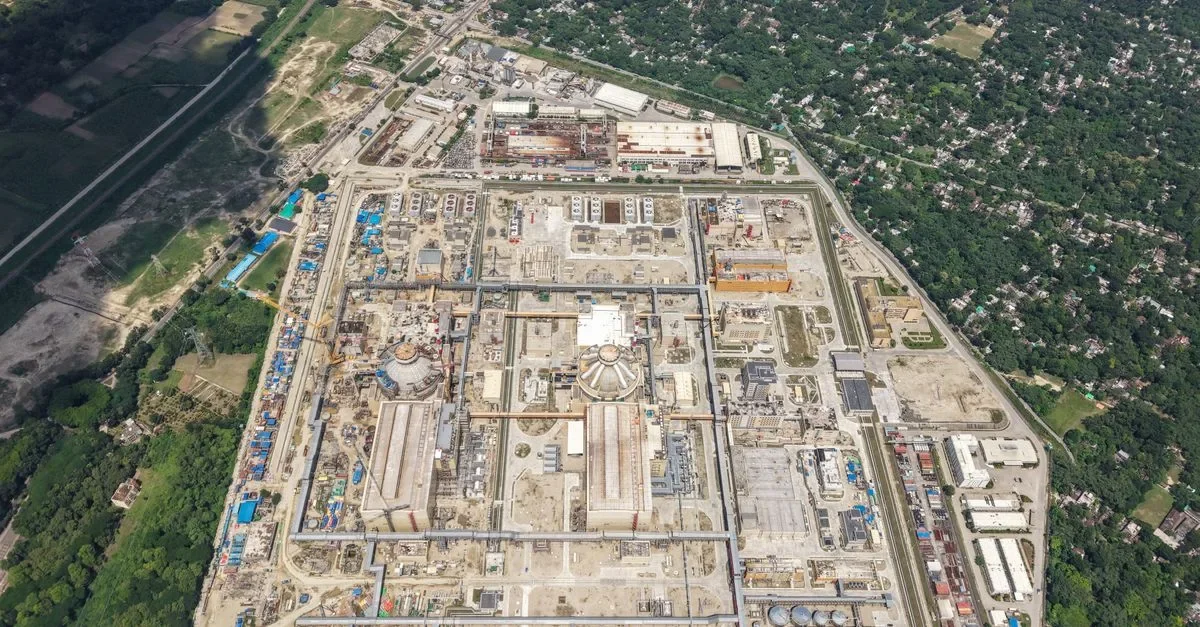
The Philippine government is currently standing at a historical crossroads, debating whether to revive the Bataan Nuclear Power Plant, a facility that has sat idle for four decades. Originally built during the Marcos era but never fueled due to safety concerns and political upheaval, the plant is now being viewed as a potential solution to the nation’s chronic energy shortages. As global energy markets remain volatile, Manila is looking for ways to insulate its economy from external shocks, and the massive concrete dome in Bataan represents both a sunken cost and a potential lifeline.
This move is not without intense controversy. Critics point to the facility's proximity to dormant volcanoes and the age of its infrastructure, while proponents argue that modernizing the plant is faster and more cost-effective than starting from scratch. For global markets, this signals a broader trend: the rehabilitation of nuclear power as a "green" and stable energy source. If the Philippines successfully brings Bataan online, it could serve as a blueprint for other developing nations looking to repurpose mothballed Cold War-era infrastructure to meet 21st-century power demands.
Tech Giants Pivot to Atomic Energy for AI Dominance
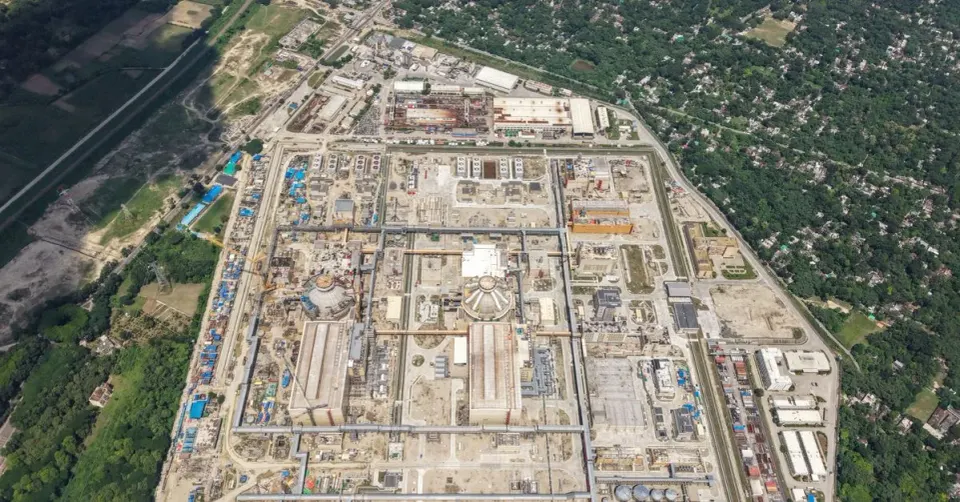
While the Philippines looks to the past, Google is firmly planted in the future, securing a $100 million deal with Kairos Power and Samsung C&T to build a 50-megawatt nuclear reactor. This partnership highlights the desperate search for reliable, carbon-free electricity to power the massive data centers required for generative AI. As companies like Meta see their stocks soar—with Meta enjoying its best month in 13 years thanks to its 'Muse' AI assistant—the bottleneck for further growth is no longer just chips, but the raw electricity needed to run them.
The entry of Samsung C&T into the construction phase of Kairos Power’s reactor marks a significant shift in how tech infrastructure is financed and built. We are moving away from a world where tech companies simply buy power from the grid toward one where they act as sovereign energy developers. This $100 million investment is likely just the beginning of a massive capital reallocation into small modular reactors (SMRs). For investors, this confirms that the AI trade is increasingly becoming an energy trade, where the winners will be those who can secure 24/7 baseload power without relying on a fragile public grid.

Bitcoin’s $86,000 Milestone and the Political War Chest
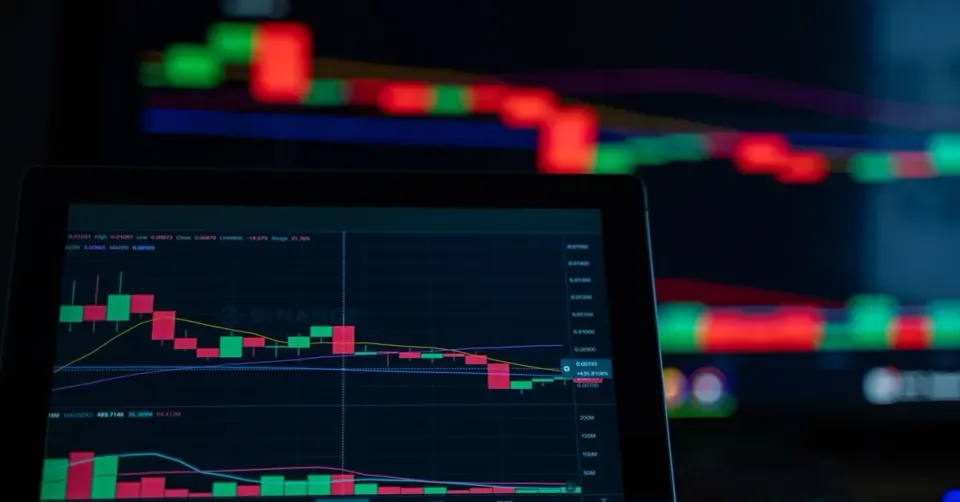
Bitcoin has shattered expectations by surging past the $86,000 mark today, fueled by a combination of falling oil prices and growing optimism surrounding a high-stakes summit between US President Trump and China’s Xi Jinping. This rally isn't just about market sentiment; it's being backed by unprecedented political muscle. The crypto-aligned Fairshake PAC has committed an additional $30 million to oppose candidates skeptical of digital assets, specifically targeting the Ohio Senate race. This brings the industry's political spending to levels that rival traditional finance, signaling that crypto is no longer a fringe interest but a dominant political force in Washington.
For the average trader, the move from $85,000 to $86,000 represents more than just a price tick; it confirms a "new bull market" narrative that is decoupling from broader tech volatility. While Ethereum has also spiked to nearly $2,750, the real story is the institutional and political fortification of the Bitcoin ecosystem. As the industry spends hundreds of millions to ensure a friendly regulatory environment, the risk of a sudden legislative crackdown is diminishing, providing a psychological floor for prices that was absent in previous cycles.
US Sanctions Threaten to Ground Iranian Aviation
The geopolitical landscape for Iran has darkened this hour as the US Treasury Department issued a stern ultimatum: ground Iranian airlines worldwide or face total exclusion from the US dollar system. The Treasury Secretary warned that any airport or service provider assisting Iranian carriers after Wednesday risks being sanctioned. This is a significant escalation from previous targeted measures, as it aims to effectively end Iran's international civil aviation capabilities by threatening the global supply chain that keeps these aircraft operational.
In Tehran, the domestic markets have already begun to react to these tensions. While the USD/IRR exchange rate saw a slight 0.3% dip today—moving from 230,900 to 230,200 Toman—the underlying sentiment remains fragile. Foreign Minister Abbas Araghchi has dismissed these pressures, claiming Washington is a captive of foreign lobbies, but the practical impact on trade and travel cannot be ignored. If the Wednesday deadline passes without a de-escalation, the cost of logistics for Iranian businesses will likely spike, putting further pressure on the Toman and gold prices, which have already seen a 2.1% drop in Emami coin value over the last 24 hours.
Frequently Asked Questions
Why is Google investing in nuclear energy?
What is the significance of the $86,000 Bitcoin price?
How will the US airline sanctions affect Iran?
The Energy Imperative: Powering AI and Cryptocurrency with Nuclear Energy
The rapid ascent of Artificial Intelligence (AI) and the continued expansion of cryptocurrencies like Bitcoin are not just technological marvels; they are also colossal consumers of energy. The complex computations required for training large AI models, running sophisticated algorithms, and verifying blockchain transactions demand immense processing power, which in turn necessitates a continuous and substantial supply of electricity. This escalating energy footprint poses significant challenges, particularly concerning environmental sustainability and grid stability, prompting a critical reevaluation of how these burgeoning industries will be powered.
Historically, much of the world's electricity has been generated from fossil fuels, contributing to greenhouse gas emissions. As AI and crypto operations scale globally, relying solely on these conventional sources would exacerbate climate change concerns and strain existing energy infrastructures. The sheer scale of demand is staggering: data centers, which house AI servers, already account for a significant portion of global electricity consumption, and this is projected to grow exponentially with AI's proliferation. Similarly, Bitcoin mining alone consumes more electricity annually than many entire countries, highlighting the urgent need for more sustainable and robust energy solutions.
In response to this energy imperative, there's a growing interest in high-density, low-carbon energy sources, with nuclear power emerging as a prominent candidate. Unlike intermittent renewables like solar and wind, nuclear power plants offer a constant, reliable, and carbon-free baseload electricity supply. This reliability, coupled with the potential for smaller, more flexible Small Modular Reactors (SMRs), makes nuclear energy an attractive option for powering energy-intensive data centers and cryptocurrency mining operations, often located in remote areas or requiring dedicated power sources.
Major technology firms and energy providers are increasingly exploring partnerships and investments in nuclear energy to secure a sustainable power future for their AI and crypto ventures. This strategic shift underscores a broader recognition that achieving technological advancement and economic growth in the digital age is inextricably linked to developing resilient, clean, and abundant energy supplies. The resurgence of interest in nuclear power is thus not merely an energy policy debate, but a fundamental component of the infrastructure required to sustain the next wave of technological innovation.