Athens Blast Kills Western Nationals as Iraq's Economy Sinks Under Regional Pressure
انفجار مرگبار در قلب آتن با قربانیان غربی؛ سایه سنگین بحرانهای منطقهای بر اقتصاد عراق
A fatal explosion near the Acropolis has claimed the lives of British and American citizens, while neighboring Iraq faces a severe economic squeeze due to regional instability. Meanwhile, the Tehran market sees a slight uptick in USD and gold prices as geopolitical uncertainty persists.
At time of publishing
USD
234,400
Toman
Gold 18K
23.86M
Toman / gram
Bitcoin
$83,902
US Dollar
Tether
233,440
Toman
Deadly Explosion Near Acropolis Claims Western Lives
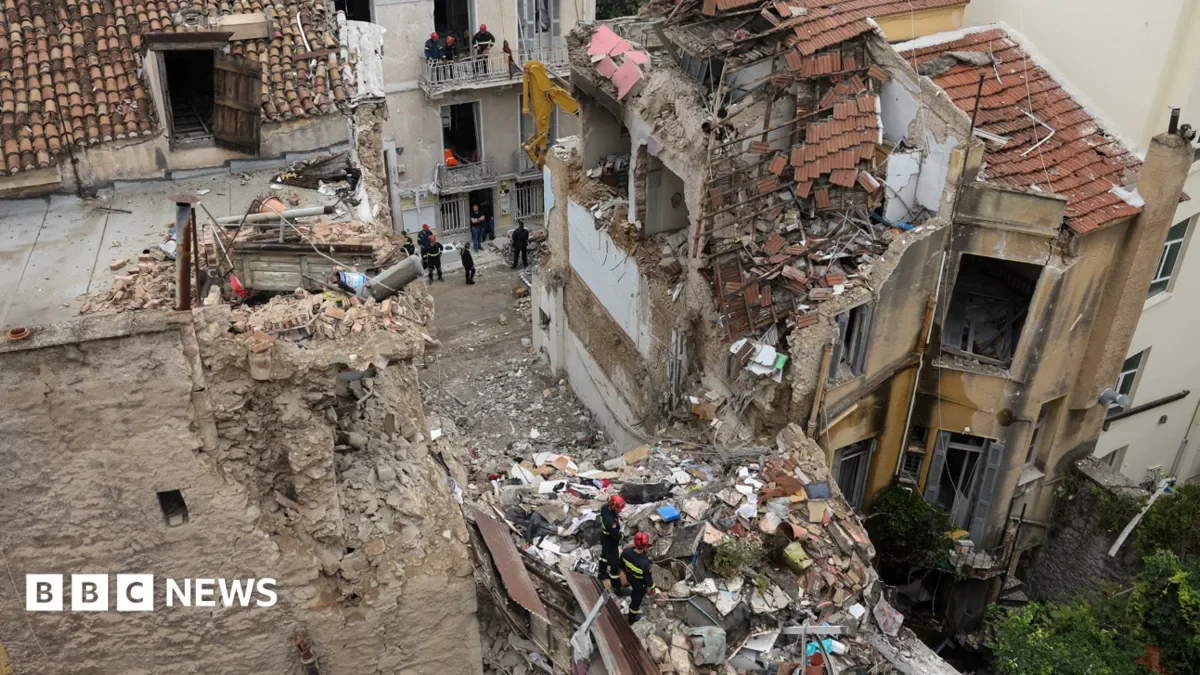
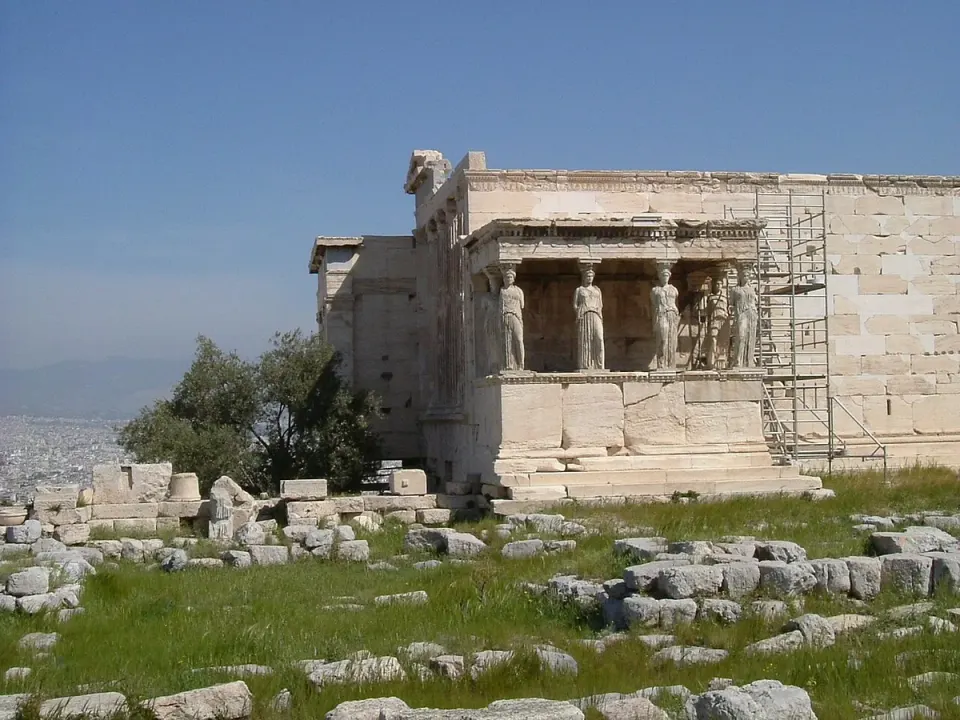
A devastating explosion in a residential building near the historic Acropolis in Athens has left six people dead, including one British national and four Americans. Greek authorities currently suspect a gas leak as the primary cause, though the scale of the destruction has prompted a rigorous forensic investigation to rule out any foul play. The blast occurred in a high-traffic district popular with international tourists, sending shockwaves through the local community and raising immediate concerns about safety protocols in the city's older architectural areas. Emergency services worked through the afternoon to secure the site, as the structural integrity of neighboring buildings is still being assessed.
For the international community, the loss of Western nationals in such a high-profile location often triggers immediate travel advisory reviews and heightened diplomatic coordination. While the incident appears accidental, the timing—amidst broader regional instability—initially caused a brief spike in local anxiety before officials clarified the likely cause. The Greek national who also perished in the blast was reportedly a resident of the building, which suffered significant structural damage, rendering it uninhabitable. This tragedy highlights the ongoing vulnerability of aging infrastructure in historic European capitals and the high stakes of urban safety management.
Iraq’s Economy Squeezed by Regional Conflict Contagion
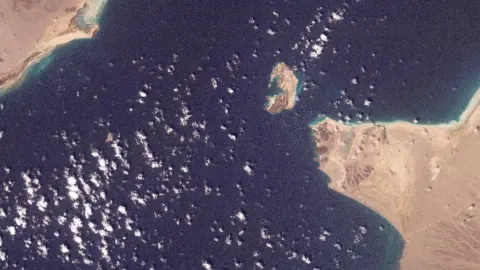
The economic ripple effects of regional conflict are becoming increasingly visible in Iraq, where oil revenues are faltering and domestic prices are on a sharp upward trajectory. A recent analysis highlights how Iraq's deep economic dependence on Iran, coupled with the ongoing geopolitical friction in the Middle East, has led to a weaker dinar and more expensive imports. This squeeze is particularly painful for a nation that relies heavily on foreign goods, as the cost of living climbs while the primary engine of the economy—oil exports—faces logistical and political disruptions. The disruption in oil flows has not only reduced the government's fiscal space but has also sparked fears of a prolonged recession if regional tensions do not subside.
For Iranian observers, Iraq’s predicament serves as a mirror to their own domestic struggles with currency devaluation and sanctions. The two economies are intrinsically linked through trade and energy corridors; when Iraq’s dinar weakens or its oil flow is impeded, the cross-border flow of hard currency and goods inevitably feels the pressure. This interdependence means that instability in Baghdad or Basra isn't just a foreign policy issue for Tehran, but a direct threat to the regional trade networks that help bypass Western financial restrictions. As Iraq struggles to stabilize its markets, the impact is being felt across the border in the form of shifting trade volumes and price volatility.
White House Escalates Media War by Blocking CNN
In a sharp escalation of the ongoing friction between the executive branch and the press, the White House has officially blocked CNN from traveling aboard Air Force One. The network was scheduled to cover Donald Trump's trip to Tennessee for a college football game, but was excluded from the official press guidance issued on Friday. This move represents a significant departure from traditional press pool arrangements, where major networks rotate coverage duties regardless of the administration's personal grievances with their reporting. The exclusion has drawn sharp criticism from press freedom advocates who see it as a targeted attempt to limit the reach of critical journalism.
This development signals a hardening of the administration’s media strategy, moving from verbal critiques to physical exclusion from state-funded transport and access. Critics argue that such moves undermine the transparency of the presidency, while supporters of the move view it as a necessary pushback against what they perceive as biased coverage. For global markets and political analysts, this internal US friction is a barometer for future policy unpredictability; an administration that actively restricts media access often signals a shift toward more unilateral and less scrutinized decision-making processes. The move could also set a precedent for how other news organizations are treated during the remainder of the term.
Market Update: USD and Gold Edge Higher in Tehran
The Iranian domestic market remains in a state of cautious fluctuation as of 17:00 Tehran time. The US Dollar (USD) has seen a modest increase, moving from 233,700 to 234,400 Toman, a 0.3% rise that reflects ongoing demand for hard currency amidst regional uncertainty. Gold prices followed a similar upward trajectory, with 18k gold per gram rising 0.5% to reach 23,858,442 Toman. Interestingly, the Emami coin bucked the trend, dropping 0.6% from 240,000,000 to 238,500,000 Toman, suggesting a slight cooling in the speculative premium usually attached to minted coins as investors perhaps pivot toward bullion or other assets.
In the digital asset space, Bitcoin continues to trade near the $84,000 mark, currently sitting at $83,902. The cryptocurrency market is closely watching US regulatory developments and global liquidity shifts, which have kept BTC in a tight consolidation range. For Iranian investors, the stability of Tether (USDT) at 233,440 Toman remains the primary gateway for hedging against local currency volatility. Additionally, new scientific research identifying nearly 500 chemicals in US pesticides linked to health risks has sparked a broader conversation about product safety, which could eventually impact consumer goods markets and agricultural trade regulations globally.
Frequently Asked Questions
علت اصلی انفجار در آتن چه بود؟
چرا بحران اقتصادی عراق برای ایران اهمیت دارد؟
وضعیت قیمت دلار و طلا در بازار تهران چگونه است؟
Understanding the Resource Curse: Why Resource-Rich Nations Struggle
The concept of the Resource Curse offers crucial insight into why countries rich in natural resources, like Iraq with its vast oil reserves, often struggle with economic instability, political turmoil, and slower development compared to nations with fewer natural endowments. This paradox, also known as the "paradox of plenty," highlights a complex interplay of economic, political, and social factors that can turn a nation's greatest asset into its greatest liability. Understanding this phenomenon is essential for comprehending the deep-seated challenges faced by resource-dependent economies.
One primary mechanism of the Resource Curse is the "Dutch Disease." This occurs when a boom in a single resource sector (like oil) leads to a substantial inflow of foreign currency, causing the domestic currency to appreciate. While this might seem positive, it makes other export-oriented sectors, such as manufacturing and agriculture, less competitive on the global market, effectively stifling diversification. As these non-resource sectors decline, the economy becomes over-reliant on the volatile global prices of the primary commodity, making it highly vulnerable to price shocks and external pressures, as seen in Iraq's economy sinking under regional influence and oil revenue crises.
Furthermore, resource wealth can foster weak governance and corruption. Easy access to resource rents can reduce the need for governments to tax their citizens, thereby weakening accountability and the development of robust democratic institutions. Instead, these revenues can become a source of patronage and rent-seeking behavior, diverting funds from crucial public services and long-term investments. This institutional fragility, combined with the immense wealth generated by resources, often fuels internal conflicts and makes nations susceptible to external manipulation, further exacerbating instability.
For countries like Iraq, heavily dependent on oil revenues, the Resource Curse means that fluctuations in global oil prices directly impact national budgets, leading to crises, currency devaluations (like the USD/IRR example), and a flight to safer assets such as gold in local markets. Overcoming this curse requires deliberate policy choices focused on economic diversification, investing resource wealth in human capital and infrastructure, fostering strong and transparent institutions, and promoting good governance to ensure that natural endowments genuinely benefit all citizens and contribute to sustainable development.