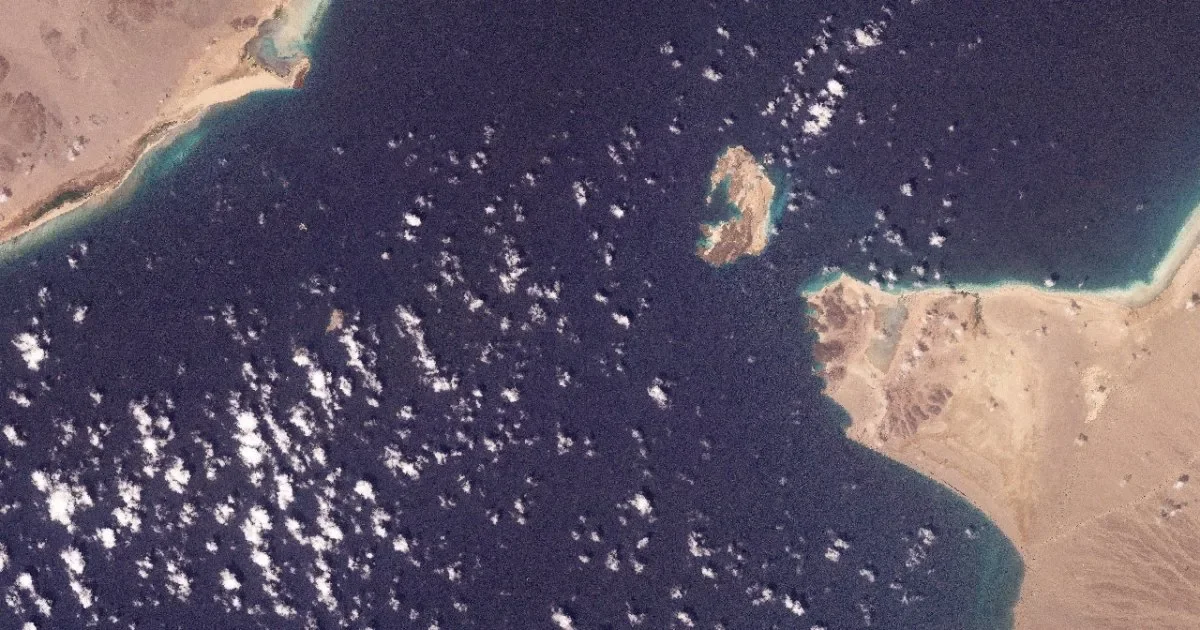
Houthis Face Intelligence Setback in Red Sea as Tehran Markets Eye $235K USD Threshold
فشار اطلاعاتی بر حوثیها در دریای سرخ؛ دلار تهران در آستانه کانال ۲۳۵ هزار تومان
As intelligence networks supporting Houthi operations come under increasing pressure, the geopolitical risk premium remains high. In Tehran, the US Dollar has edged up to 234,800 Toman, while gold prices continue their ascent despite a slight correction in the coin market.
At time of publishing
USD
234,800
Toman
Gold 18K
23.96M
Toman / gram
Bitcoin
$83,978
US Dollar
Tether
234,050
Toman
The Intelligence War Shifts in the Red Sea
For months, the maritime corridor of the Red Sea has been a theater of high-stakes asymmetric warfare, largely fueled by a sophisticated intelligence-sharing network. Recent reports suggest that the tide may be turning as the Russian-Iranian intelligence apparatus, which has provided the Houthis with the targeting data necessary for their offensive on the coast, is coming under sustained attack. This system, which utilized satellite imagery and electronic surveillance to track commercial shipping, was the backbone of the Houthi ability to disrupt global trade. However, Western electronic warfare and precision strikes are now reportedly degrading these capabilities, forcing the group to rely on less accurate and more vulnerable methods of operation.
This shift is significant because it directly impacts the leverage that regional actors hold over global supply chains. If the intelligence flow is successfully severed, the cost of maritime insurance may stabilize, but the immediate result is a heightened state of alert and potential for desperate escalations. For the Iranian economy, these developments are a double-edged sword; while regional influence is a key pillar of Tehran’s foreign policy, the resulting sanctions and military tensions continue to exert downward pressure on the national currency, keeping the markets in a state of perpetual anxiety as traders monitor every development in the Bab al-Mandab Strait.
US Congress Proposes Radical Social Security Shift
A major policy debate has erupted in Washington D.C. as a new bill introduced in Congress proposes lowering the full retirement age for Social Security from 67 to 60 for workers in physically demanding occupations. Proponents argue that this move addresses the biological reality of labor-intensive roles, where workers often face declining health long before they reach the current statutory retirement age. However, retirement experts and fiscal hawks warn that such a change could place an unsustainable strain on the Social Security trust fund, which is already projected to face shortfalls in the coming decade. The bill risks creating what some call a "two-tiered system" among American workers, complicating the labor market's long-term dynamics.
For global markets, this legislative push is more than just a domestic US issue. Any significant change to Social Security funding or payout structures impacts US Treasury yields and long-term inflation expectations. If the bill gains traction, it could signal a shift toward more populist fiscal policies, potentially weakening the US Dollar over time as debt concerns resurface. Investors are watching closely to see if this bill is merely a political gesture ahead of upcoming elections or a genuine shift in the American social contract that could redefine the global financial landscape's benchmark currency stability.

Tehran Market Analysis: Gold Surges While Coins Correct
The Tehran market displayed a divergence in sentiment during the late afternoon session. The US Dollar (USD/IRR) moved from 233,700 to 234,800 Toman, marking a 0.5% increase as it tests the resistance near the 235,000 level. This creeping appreciation of the dollar reflects a cautious outlook among local traders who are weighing the mixed signals coming from the UN General Assembly in New York. While some diplomatic channels remain open, the lack of a concrete breakthrough in sanctions relief or nuclear negotiations continues to favor the greenback over the local currency.
Interestingly, the gold market showed a split performance. Gold 18k per gram rose from 23,731,474 to 23,962,325 Toman, a solid 1.0% gain that mirrors the rise in global gold prices, which currently sit at a staggering $4,286.20 per ounce. Conversely, the Emami coin saw a slight retreat, moving from 240,000,000 to 238,500,000 Toman (-0.6%). This correction in the coin market suggests that the "bubble" or premium on minted coins is being squeezed out as investors pivot directly toward raw gold or the dollar, seeking more liquid and less speculative hedges against the ongoing regional volatility.
Diplomacy and Defense: The Iranian Stance
In the domestic political sphere, the narrative remains focused on a balance between military readiness and diplomatic engagement. Iranian state media reported that Deputy Foreign Minister Kazem Gharibabadi emphasized that while Tehran is "active in the diplomatic arena," it will not "surrender" to external pressures. This rhetoric is echoed by religious figures like Sheikh Hossein Bazmandegan in Hormozgan, who stressed that regional security is a product of both "defensive power" and "political prudence." These statements are designed to project strength to a domestic audience while signaling to the international community that the path to negotiation is only open on Tehran's specific terms.
For the average citizen and market participant, these statements provide little clarity. The "no surrender" stance often translates to continued economic isolation, which keeps the cost of living high and the Rial weak. As the government continues to treat official statements as the primary tool of economic management, the gap between official rhetoric and the reality of the open market—where the dollar continues its slow climb—remains a source of significant public frustration and economic hardship.
Frequently Asked Questions
Why is the intelligence war against the Houthis significant for the global economy?
What is the reason behind the divergence between gold and coin prices in Tehran?
How could the US Social Security bill affect the value of the US Dollar?
Understanding Safe-Haven Assets in Times of Geopolitical Uncertainty
In the face of global instability and economic volatility, certain investments become particularly attractive to those seeking to preserve their wealth. These are known as safe-haven assets: investments that are expected to retain or even increase in value during periods of market turmoil, economic downturns, or geopolitical crises. Unlike traditional assets like stocks or bonds, which can be highly sensitive to negative news, safe havens offer a perceived sense of security, becoming a refuge for capital when the future looks uncertain.
The appeal of safe-haven assets becomes especially pronounced in economies grappling with high inflation, currency depreciation, and significant geopolitical risks. For instance, in Iran, the ongoing Red Sea shipping attacks and broader regional tensions create an environment where the local currency (Iranian Rial, IRR) may weaken against the US Dollar (USD), and inflation can erode purchasing power. In such scenarios, individuals and institutions often turn to assets like gold, foreign currencies (predominantly the USD), or even specific local commodities such as Emami coins, as a means to protect their savings from devaluation.
Gold is perhaps the quintessential safe-haven asset, revered for millennia as a store of value. Its limited supply, historical significance, and universal acceptance mean it often performs well when other markets are in decline. Similarly, the US Dollar, as the world's primary reserve currency, is frequently sought after during global crises due to the perceived stability of the US economy and financial system. When demand for these assets surges within a country experiencing economic stress, their local prices can climb significantly, often outstripping the official exchange rates or local inflation figures.
This flight to safe havens reflects a fundamental lack of trust in the local currency and the broader financial system. The "Tehran Markets Eye $235K USD Threshold" likely refers to a benchmark value for gold or a specific coin, indicating how local wealth is increasingly measured against stable foreign currencies rather than the depreciating local tender. Understanding safe-haven assets is crucial for comprehending how individuals and markets react to uncertainty, seeking stability amidst a volatile economic and political landscape.