Fallow Deer Flourish in Lake Urmia as Pezeshkian Hardens Stance Against US Dialogue
جوانه امید در حاشیه دریاچه ارومیه؛ پزشکیان در نیویورک بر طبل بیاعتمادی به آمریکا کوبید
While Iranian fallow deer populations see a rare recovery in West Azarbaijan, President Pezeshkian signals a diplomatic deep-freeze, stating Tehran no longer trusts negotiations with Washington. Meanwhile, a deadly blast in Athens and internal UK visa disputes add to a volatile global atmosphere.
At time of publishing
USD
234,500
Toman
Gold 18K
23.86M
Toman / gram
Bitcoin
$84,101
US Dollar
Tether
234,455.914
Toman
Rare Wildlife Success Amid Environmental Strain
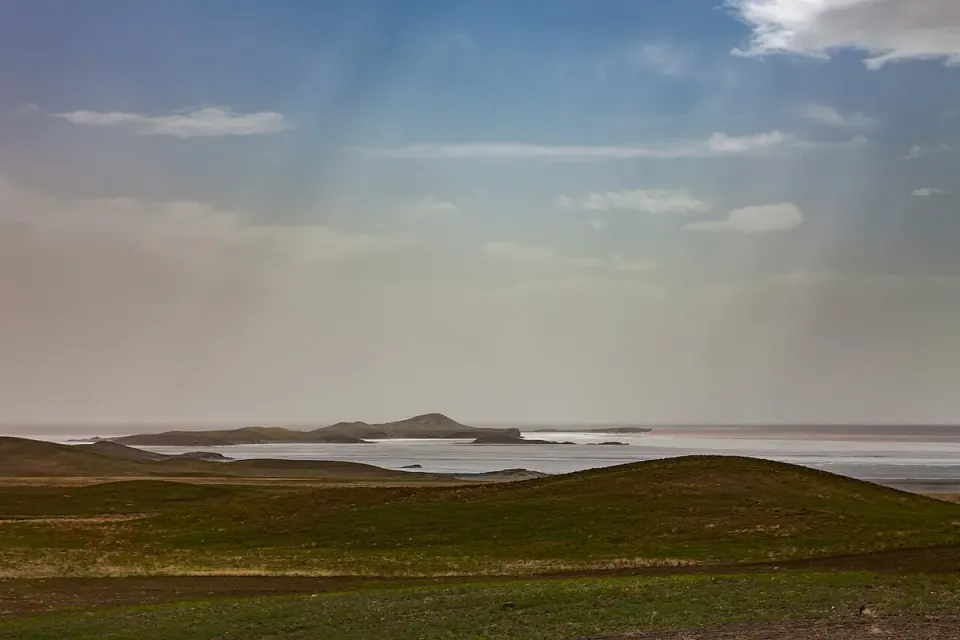
In a rare piece of positive environmental news from northwestern Iran, the population of the endangered Iranian fallow deer has nearly quadrupled at the Rashkan Site within the Lake Urmia National Park. Local officials in West Azarbaijan Province reported that the population has reached 22 individuals, including five fawns born just this year. This success is attributed to controlled breeding programs designed to pull the species back from the brink of extinction. While the recovery of the deer is a biological victory, it stands in stark contrast to the broader ecological crisis facing Lake Urmia itself, which has struggled for years with desiccation and mismanagement.
The breeding program’s success at Rashkan has prompted authorities to establish similar centers across other provinces. However, the survival of these animals remains tethered to the fragile habitat surrounding the lake. For the average Iranian, such reports offer a brief respite from a news cycle dominated by economic hardship, yet they also serve as a reminder of the massive environmental restoration projects that remain underfunded or stalled due to international sanctions and domestic budgetary constraints.
Pezeshkian’s Diplomatic Deadlock and Market Reaction
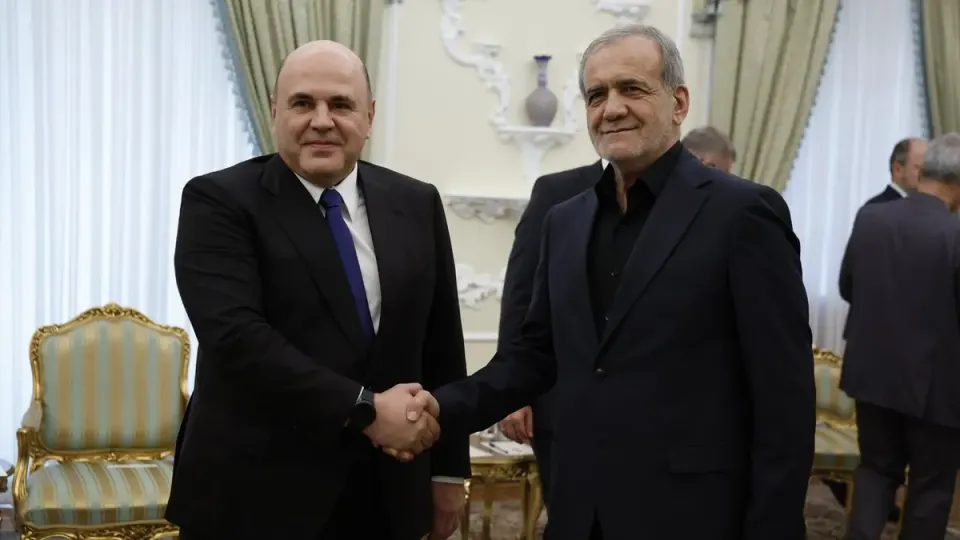
Speaking from the sidelines of international engagements, President Masoud Pezeshkian has delivered a blunt assessment of Iran-US relations, stating that Tehran "no longer trusts" dialogue with Washington. In interviews with Al Jazeera and state media, Pezeshkian pointed to a history of broken promises and the continued imposition of sanctions as the primary reasons for this diplomatic hardening. He clarified that while Iran remains open to resolving issues through dialogue, it will not succumb to "bullying" or coercive tactics. This rhetoric suggests that despite early hopes for a Pezeshkian-led thaw, the path to a renewed nuclear deal or sanctions relief remains blocked by deep-seated mutual suspicion.
This diplomatic standoff is reflected in the currency markets, where the US Dollar rose slightly from 233,700 to 234,500 Toman (+0.3%) over the last 24 hours. The market's reaction, though modest, indicates a lack of confidence in any immediate breakthrough that could stabilize the Rial. As Qatar and Pakistan continue to act as intermediaries, relaying messages between the two capitals, the Iranian public remains caught in a cycle of inflationary pressure. Gold prices also saw a slight uptick, with 18k gold rising to 23,860,750 Toman per gram (+0.5%), as investors seek refuge in hard assets amid the rhetorical storm.
Global Instability: From Athens Blasts to UK Visa Wars
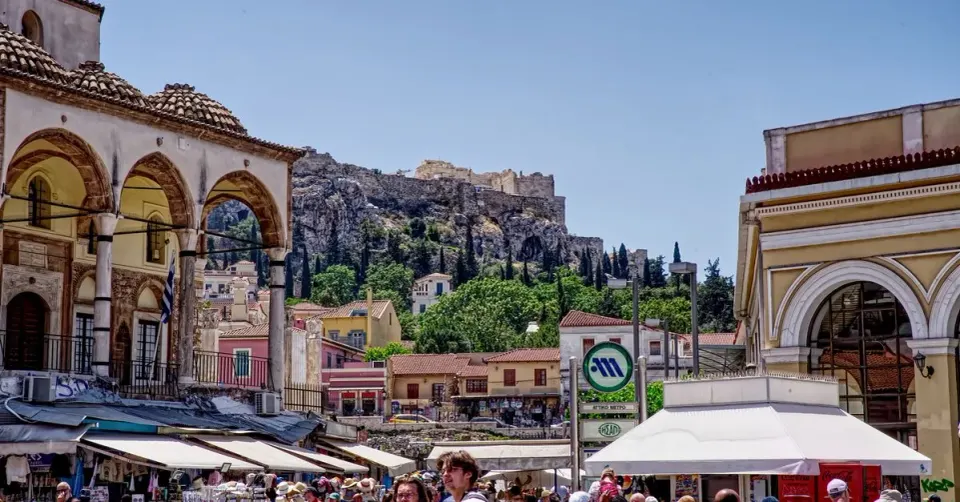
Beyond the Middle East, a sense of instability is permeating European capitals. In Athens, a massive gas explosion in a popular tourist district has left six people dead, rattling the Greek capital’s vital tourism sector. Local officials are investigating the blast, which destroyed several storefronts and sent shockwaves through a neighborhood typically crowded with international visitors. The event highlights the vulnerability of urban infrastructure and adds a layer of security concern for travelers heading to the Mediterranean this season.
Meanwhile, in the United Kingdom, the Labour government is facing internal friction ahead of its party conference. Deputy Prime Minister Angela Rayner has publicly criticized Home Office proposals that would extend the wait time for foreign care workers to apply for permanent residency to 15 years. Rayner described the move as "disruptive" and "un-British," arguing that it unfairly changes the goalposts for essential workers who have already contributed to the country. This internal clash underscores the global struggle to balance immigration control with the economic necessity of foreign labor, a theme that resonates with Iranian expatriates and students navigating increasingly restrictive visa regimes in the West.
Human Rights and Border Tensions in the Americas
In the United States, a shooting involving federal immigration officers in Austin, Texas, has sparked fresh controversy over border enforcement tactics. Wilber Rafael Garcés Pérez, a 28-year-old Venezuelan national, was shot during a traffic stop and remains in custody with a bullet lodged in his back. Supporters claim he is being denied necessary surgery that could prevent permanent paralysis. The incident has intensified the debate over the conduct of Immigration and Customs Enforcement (ICE) and the treatment of migrants from sanctioned nations like Venezuela and Iran.
These events contribute to a broader narrative of hardening borders and the physical risks faced by those fleeing economic or political turmoil. For Iranians watching these developments, the story of Garcés Pérez is a sobering reminder of the difficulties faced by the global migrant community. As geopolitical tensions rise, the human cost of policy decisions—whether they involve sanctions, visa rules, or border security—continues to mount, leaving individuals caught in the crossfire of international power struggles.
Frequently Asked Questions
چرا جمعیت گوزنهای زرد ایرانی در دریاچه ارومیه افزایش یافته است؟
موضع جدید رئیسجمهور ایران در قبال مذاکره با آمریکا چیست؟
علت نوسان قیمت دلار و طلا در بازار امروز چه بود؟
Understanding Geopolitical Risk and its Economic Impact
Geopolitical risk refers to the potential for political events, international relations, or conflicts to disrupt global or regional stability, thereby influencing financial markets and economic activity. These events can range from wars and terrorism to diplomatic stalemates, trade disputes, and significant policy shifts. The core idea is that political uncertainty creates economic uncertainty, leading to shifts in investor behavior and market valuations.
Such risks are often driven by statements and actions from political leaders. For instance, a headline reporting a leader's "hardened stance against US dialogue" directly signals increased geopolitical tension. This raises the perceived risk for investors and businesses operating in or dealing with the affected region. This uncertainty can deter foreign investment, lead to capital flight, and impact the overall economic outlook.
The economic consequences of heightened geopolitical risk are tangible and immediate. One of the most common effects is currency depreciation. As investors lose confidence, they may pull capital out, increasing demand for foreign currency (like the USD) and causing the local currency (like the Iranian Rial) to weaken. This is reflected in fluctuations in exchange rates, such as the USD/IRR price. Simultaneously, there's often a flight to safe-haven assets. Gold, historically seen as a store of value during times of instability, typically sees its price rise (e.g., gold price in Tehran) as individuals and institutions seek to protect their wealth from political and economic volatility.
It's crucial to understand that geopolitical risk isn't solely about the threat of military conflict. It encompasses a broader spectrum of political instability, including the imposition or tightening of international sanctions, shifts in trade policies, and even domestic political unrest. All these factors can disrupt supply chains, increase operational costs for businesses, and make long-term economic planning extremely challenging.
Ultimately, understanding geopolitical risk is vital for anyone engaging with global or regional economies. For policymakers, it informs foreign relations and economic strategies; for investors, it guides portfolio decisions; and for ordinary citizens, it helps make sense of currency fluctuations and commodity price changes that directly affect their daily lives and financial well-being.