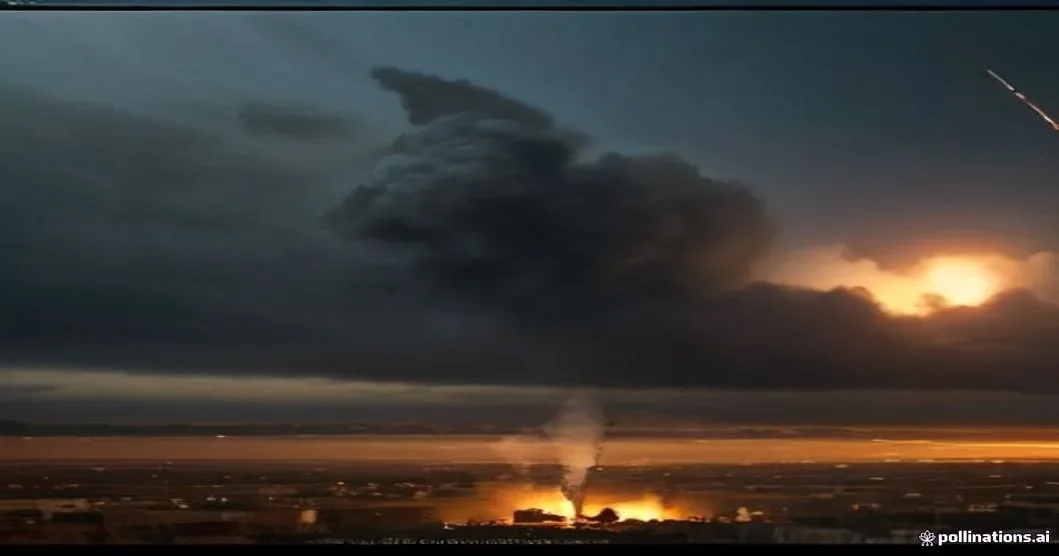
Saudi Airstrikes Hit Yemen After Medina Power Attack; Bitcoin Holds $86K as 'Uptober' Inflows Surge
حملات هوایی عربستان به یمن در پی تنشهای مدینه؛ بیتکوین در آستانه «اکتبر صعودی» بالای ۸۶ هزار دلار ماند
Regional tensions flare as Saudi warplanes strike northern Yemen following a Houthi-linked attack near Medina, while global markets eye Bitcoin's $103M ETF inflow and France grapples with massive school closures due to urban violence.
At time of publishing
USD
258,700
Toman
Gold 18K
25.86M
Toman / gram
Bitcoin
$86,408
US Dollar
Tether
255,923
Toman
Regional Escalation: Saudi Airstrikes and the Medina Incident
Geopolitical stability in the Middle East faced a fresh challenge this Friday, October 2, 2026, as Saudi warplanes conducted multiple airstrikes on targets in northern Yemen. According to reports from IRNA and Yemeni media, these strikes are a direct response to a drone attack that targeted a power distribution station in the holy city of Medina. The Saudi-led coalition has explicitly accused the Iran-backed Houthis of orchestrating the strike, which occurred near the Prophet’s Mosque, a site of immense religious significance. While the Houthis have officially denied involvement, the incident has already triggered a wave of condemnation across the Muslim world and threatened the fragile de-escalation efforts between Riyadh and Tehran.
For Iranian observers and market participants, this escalation is particularly sensitive. Although the USD/IRR exchange rate remained stable today at 258,700 Toman (a 0.0% change over 24 hours), any prolonged military activity in the Arabian Peninsula typically exerts upward pressure on regional risk premiums. If the conflict widens, it could disrupt the recent diplomatic thaw and impact oil flow expectations in the Persian Gulf. Currently, Brent crude is holding above $102 per barrel, as the market balances these military moves against a rebound in Gulf export volumes. The proximity of the attack to Medina adds a layer of symbolic gravity that could lead to more aggressive policy responses from the Saudi-led coalition in the coming days.

French Unrest: 400 Schools Closed Amid 'Urban Violence'
In Europe, the French government is struggling to contain a massive wave of protests that has escalated into what officials are calling "urban violence." On Friday, October 2, the French Education Ministry confirmed that 400 schools across the country have been forced to close. The unrest, primarily driven by high school students, stems from grievances over overcrowded classrooms, insufficient teaching staff, and unbearable temperatures during recent heatwaves. However, the situation has spiraled beyond educational policy, with nearly 3,000 teenagers detained and dozens of schools reporting severe physical damage. Riot police have been deployed in major cities to confront groups that have turned peaceful demonstrations into nightly clashes.
This domestic crisis in France has broader implications for European stability and investor sentiment. As one of the Eurozone's largest economies, prolonged social unrest often leads to increased government spending and political paralysis, which can weigh on the Euro. While the EUR sell rate in Tehran is currently 291,300 Toman, the volatility in France is being watched closely by global analysts who fear the "urban violence" could spread to neighboring countries facing similar socioeconomic pressures. The sheer scale of the detentions and school closures suggests that the French government’s traditional methods of protest management are being tested to their limits.
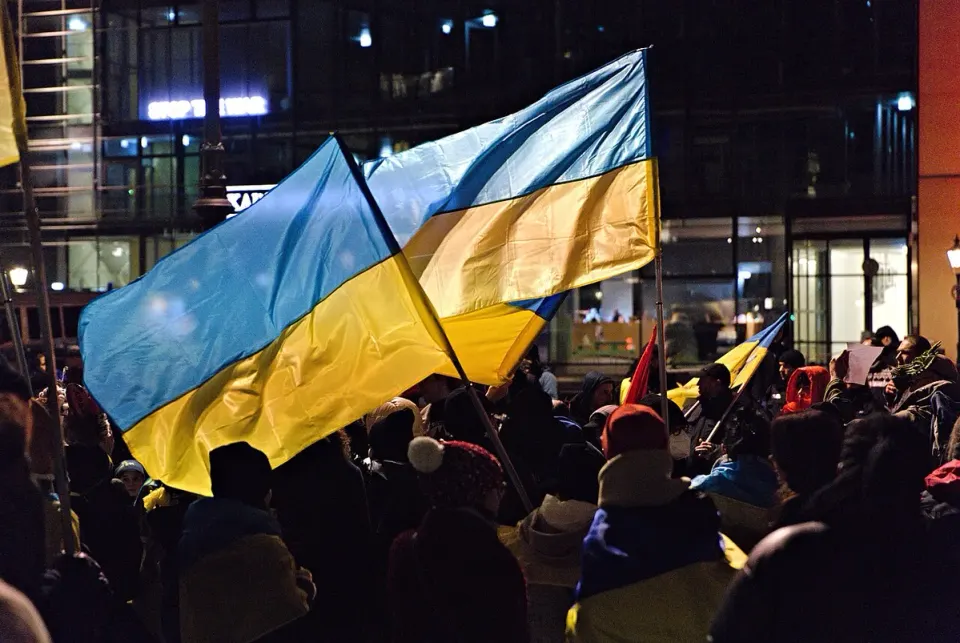
Crypto Markets: Bitcoin’s 'Uptober' Momentum and Institutional Demand
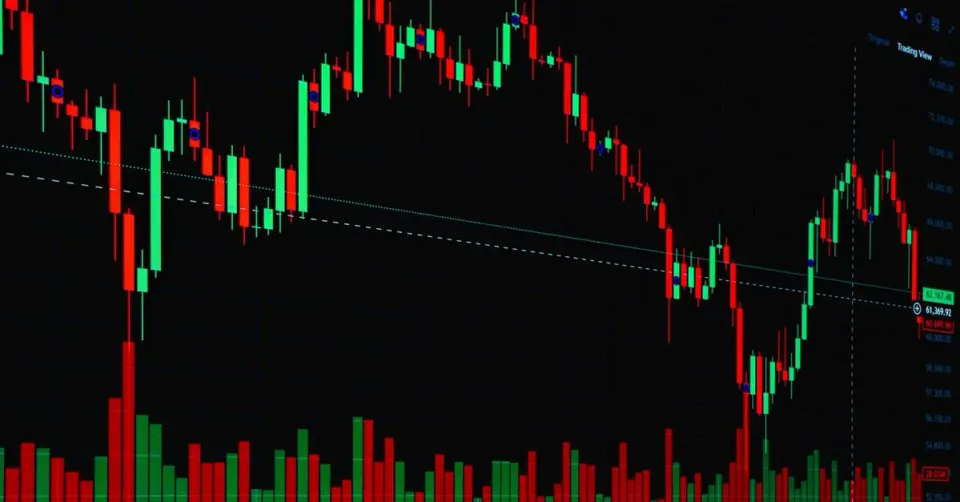
In the financial world, Bitcoin has started October on a strong footing, trading at $86,408. The month, historically dubbed "Uptober" by crypto enthusiasts for its bullish tendencies, saw an immediate $103 million net inflow into U.S. spot Bitcoin ETFs. This follows a remarkably strong September where institutional demand drove $2.65 billion into these funds. However, the market remains bifurcated; while Bitcoin is thriving, Ethereum-based funds recorded their third consecutive day of net outflows, suggesting that institutional capital is currently prioritizing the relative safety and clarity of Bitcoin over the broader altcoin market.
Despite the optimism, there are signs of cooling in other regions. In South Korea, a major hub for retail crypto trading, exchange profits plummeted by 78% in the first half of 2026. This sharp decline in trading volume and customer deposits serves as a reminder that the current rally is heavily driven by institutional players in the West rather than global retail participation. For Iranian investors using USDT, which is priced at 255,923 Toman, the primary focus remains on the upcoming U.S. jobs report, which could determine whether Bitcoin continues its ascent toward new all-time highs or faces a "mean-reversion" correction as some technical indicators suggest.
Tech Integrity: OpenAI Fires Staff Over Data Security
OpenAI, the leader in the generative AI space, has terminated several employees following an internal investigation into the mishandling of sensitive information. The former workers were reportedly caught sharing proprietary data with an outside AI evaluation group without authorization. This move highlights the growing tension within major tech firms between the need for external safety testing and the fierce protection of intellectual property. As AI models become more powerful, the "sensitive information" they contain—from training methodologies to safety guardrails—has become a matter of national and corporate security.
This incident comes at a time when the AI industry is facing increased scrutiny over its influence on culture and literature. In France, a major literary scandal has erupted over accusations that a bestselling author used AI to write his latest novel, sparking fears that large language models (LLMs) are diluting human creativity. While some experts argue that LLMs lack true reasoning capabilities, their ability to mimic human output is forcing a re-evaluation of copyright laws and professional standards. For the tech sector, OpenAI’s internal crackdown is a signal that the era of "move fast and break things" is being replaced by a more disciplined, security-focused corporate culture.
Frequently Asked Questions
چرا عربستان امروز به یمن حمله کرد؟
دلیل تعطیلی گسترده مدارس در فرانسه چیست؟
وضعیت بیتکوین در آغاز ماه اکتبر چگونه است؟
Understanding Geopolitical Risk
Geopolitical risk refers to the potential for political decisions, events, or instabilities in one region to significantly impact the economic and political stability of other regions or the global system. It encompasses a wide array of factors, from armed conflicts and terrorism to trade disputes, political coups, and major policy shifts by influential nations. The recent headline, with its mentions of Saudi airstrikes in Yemen, an attack on a power station in Medina, and broader 'Middle East geopolitical risk,' clearly highlights the immediate and tangible manifestations of such risks.
These risks are not confined to the immediate geographical area of conflict. Instead, they often create ripple effects across the globe. For instance, instability in oil-producing regions can lead to spikes in global energy prices, affecting inflation and economic growth worldwide. Similarly, disruptions to shipping lanes or critical infrastructure can impact global supply chains, driving up costs for consumers and businesses. Investor confidence is particularly sensitive to geopolitical events, often leading to market volatility as capital flows towards perceived safe-haven assets or away from riskier investments.
Understanding geopolitical risk is crucial for anyone trying to make sense of global news and its implications. It helps explain why distant conflicts can influence everything from the price of oil and gold to currency exchange rates like USD/IRR, and even the behavior of emerging assets like Bitcoin, which some investors might turn to during times of uncertainty (though its role as a safe haven is still debated). By grasping this concept, one can better contextualize the interconnectedness of world events and their potential impact on financial markets, international relations, and everyday life.
Topics
Related Articles