
Trump Claims Jobs Win as Toman Hits 261k; French Unrest Echoes 'Yellow Vests' Chaos
ادعای پیروزی اقتصادی ترامپ همزمان با صعود دلار به ۲۶۱ هزار تومان؛ فرانسه در آستانه آشوب سراسری
A tepid US jobs report has sparked a political firestorm in Washington, with the White House claiming victory for its reindustrialization agenda while markets brace for volatility. Meanwhile, the Iranian Toman rose 1.2% today, and France faces its worst urban unrest in years as school protests morph into a broader anti-government movement.
At time of publishing
USD
261,700
Toman
Gold 18K
25.95M
Toman / gram
Bitcoin
$84,145
US Dollar
Tether
261,669.643
Toman
Trump’s Economic Gamble: Tepid Jobs and the Toman's Response
The latest US jobs report released this Friday, October 2, 2026, has provided a Rorschach test for American politics. The White House was quick to frame the "tepid" employment growth as a deliberate byproduct of President Trump’s aggressive reindustrialization agenda. According to administration spokespeople, the focus has shifted from raw service-sector numbers to the quality of manufacturing and factory jobs being clawed back from overseas. However, the markets reacted with characteristic uncertainty. While Nvidia (NVDA) surged to a record market value of $5.7 trillion on hopes that the cooling labor market would force the Federal Reserve into more aggressive rate cuts, the ripple effects were felt as far as Tehran.
In the Iranian market, the US Dollar (USD) moved from 258,700 to 261,700 Toman, marking a 1.2% increase today, جمعه ۱۰ مهر ۱۴۰۵. This rise reflects a cocktail of global uncertainty and regional hedging. When US economic data misses the mark, the resulting volatility often drives Iranian investors toward the safety of hard currency and gold. Gold 18k also saw a 0.9% climb, moving from 25,719,100 to 25,947,643 Toman per gram. The narrative in Washington regarding a potential "Iran war" and its impact on the upcoming midterms is further complicating the sentiment, as traders weigh the risks of an administration that might use geopolitical tension to distract from domestic economic cooling.
French Unrest: Are the 'Yellow Vests' Returning?
France is currently gripped by a wave of urban violence that began as isolated student protests in Brittany and Normandy but has since exploded into a national crisis. Over the last 18 days, what started as complaints over school staffing and facilities in towns like Caen and Rennes has morphed into scenes reminiscent of the 2018 'Yellow Vests' movement. In Marseille and Nantes, fire engines have been set ablaze, and police officers have faced brutal attacks. The government has been quick to blame "hard-left agitators," but the underlying sentiment suggests a much deeper frustration with the cost of living and perceived state neglect.
For global observers, the instability in France is a warning sign of the fragility of European social contracts under the weight of high energy costs and inflation. While the G7 has attempted to stabilize markets by releasing 100 million barrels of oil and diesel to counter the threat of a US export ban, the social cost of these economic shifts is becoming unmanageable. The scenes of burning barricades in Saint Denis and Creteil are circulating rapidly on social media, further denting investor confidence in the Eurozone and pushing safe-haven assets like gold—now at $4,150 per ounce—to new heights.

Argentina’s Citizenship for Cash and the Global Capital Flight
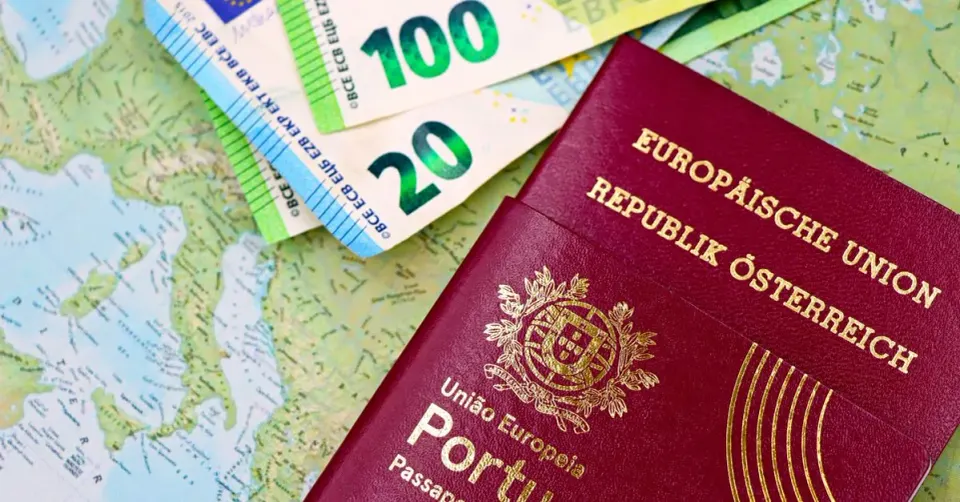
In a move that highlights the desperation of struggling economies to attract foreign exchange, Argentina has officially launched its 'Golden Passport' program. The initiative offers immediate citizenship to individuals who make significant investments in the country, effectively selling the national identity to the highest bidder. While similar programs in smaller nations have provided short-term fiscal relief, they often come with significant risks of money laundering and the entry of sanctioned individuals. For Iranians seeking a 'Plan B' amidst domestic economic pressure, such programs are always a point of high interest, though they carry the heavy baggage of international scrutiny.
This trend of "citizenship by investment" is a direct consequence of the hardening of global borders and the increasing difficulty of moving capital across traditional banking lines. As the US considers further crackdowns on crypto—evidenced by the history of potential AI czar Jay Clayton’s SEC tenure—investors are looking for physical jurisdictions that offer both safety and a degree of separation from the dollar-denominated financial system. However, the risks in Argentina remain high; a country with a history of defaults and hyperinflation is hardly a safe harbor, even if the passport itself offers a new level of global mobility.
UK Pension Shifts and the Legal Crisis in Tennessee
In the United Kingdom, Greater Manchester Mayor Andy Burnham and the Labour government have signaled a major policy shift by announcing plans to scrap the state pension "triple lock" legislation. Although the guarantee of pension increases—linked to the highest of inflation, earnings, or 2.5%—will remain until 2030, the move to vote on its removal during this parliament has sparked outrage among retirees. It is a stark admission that the current fiscal path is unsustainable, forcing the government to choose between honoring long-standing social promises and maintaining the country’s creditworthiness in an era of rising bond yields.
Meanwhile, in the United States, a different kind of crisis has captured the public's attention: the failed execution of Christa Pike in Tennessee. After surviving two lethal injection attempts, Pike remains on a ventilator in Nashville, raising profound legal and ethical questions about the state's ability to carry out capital punishment. While seemingly unrelated to the markets, such events contribute to a sense of institutional failure and social polarization in the US. In an environment where every dollar is being scrutinized—from Social Security benefits being garnished for student loans to the record-breaking $150 billion buybacks at Nvidia—these domestic dramas highlight the deep fractures in the world's largest economy.
Frequently Asked Questions
چرا قیمت دلار در تهران با وجود گزارش ضعیف اشتغال آمریکا بالا رفت؟
آیا اعتراضات فرانسه میتواند بر قیمت یورو تأثیر بگذارد؟
برنامه پاسپورت طلایی آرژانتین چه خطراتی برای سرمایهگذاران دارد؟
Understanding Currency Depreciation: What a Weakening Toman Means
When a headline mentions the "Toman hitting 261k" against the US dollar, it's highlighting a critical economic phenomenon: currency depreciation. In simple terms, currency depreciation occurs when the value of one country's currency falls relative to another. For Iran, where the Toman is a widely used informal unit representing 10,000 Rials, this means that it now takes 261,000 Iranian Rials (or 26.1 Tomans) to purchase just one US dollar, indicating a significant weakening of the local currency.
Several factors can drive such a sharp depreciation. High domestic inflation, for instance, erodes a currency's purchasing power, making foreign currencies more attractive. Economic sanctions, like those imposed on Iran, severely restrict a country's access to international markets and foreign exchange, limiting the supply of foreign currency and increasing its price. Political instability, capital flight, and a persistent imbalance between the demand for foreign currency (for imports) and the supply (from exports) also contribute to a currency's downward spiral.
The immediate impact of a depreciating currency is felt most acutely by ordinary citizens. Imports, from essential medicines to raw materials for manufacturing, become significantly more expensive. This directly fuels inflation, as businesses pass on higher costs to consumers, eroding their purchasing power. Goods and services that rely on imported components see their prices skyrocket, making everyday life increasingly unaffordable.
Furthermore, a weakening currency drastically diminishes the real value of people's savings and wages. If your income is in a depreciating currency, but the cost of goods (especially imported ones) is rising, your standard of living falls. This often leads to a "flight to safety," where individuals and businesses try to convert their local currency into more stable assets like gold or foreign currencies (such as the US dollar), further increasing demand for foreign exchange and exacerbating the depreciation cycle. Managing such a situation is a monumental challenge for any government, requiring careful economic policy and often difficult decisions.
Topics
Related Articles