Man City Appeals Verdict While G7 Floods Market with 100M Barrels of Diesel to Cool Global Inflation
تجدیدنظرخواهی جنجالی منچسترسیتی و پاتک G7 به بحران انرژی با آزادسازی ۱۰۰ میلیون بشکه گازوئیل
Manchester City has officially appealed its financial breach verdict while G7 nations coordinate a massive fuel reserve release to stabilize energy markets. Meanwhile, Iran and Iraq ink a major aviation deal as the Toman faces slight pressure, with the Dollar rising 1% in the last 24 hours.
At time of publishing
USD
261,200
Toman
Gold 18K
25.95M
Toman / gram
Bitcoin
$84,561
US Dollar
Tether
261,001
Toman
The Legal Battle for Football’s Future: Manchester City Appeals
In a move that has sent shockwaves through the sporting and financial worlds, Manchester City has officially confirmed its appeal against a recent guilty verdict regarding financial breaches. The club's legal team issued a blistering statement claiming the ruling contains "clear material errors of law, principle, and fact," labeling the entire process as fundamentally "unsafe." This isn't just about a football club; it represents a massive clash between the traditional governance of sports and the hyper-capitalist reality of modern football ownership. For Iranian fans and investors who follow the Premier League as a barometer of global financial stability, the case highlights the increasing complexity of international asset management and the legal risks inherent in high-stakes corporate structures.
The appeal is expected to be a protracted affair, potentially dragging on for months as the club seeks to overturn sanctions that could include massive fines or even points deductions. This legal maneuvering comes at a time when sports integrity is being scrutinized more than ever. What it means for the broader market is a lesson in institutional resilience; City is betting that its legal firepower can dismantle a regulatory framework that many believe was designed for a different era of the game. For the Iranian audience, this story serves as a reminder of how transparency and regulatory compliance—or the lack thereof—can define the survival of even the most powerful entities.
G7 Intervenes in Energy Markets with Massive Diesel Release
Global energy markets are facing a dramatic intervention as the Group of 7 (G7) nations, including the US, UK, and France, announced a coordinated release of 100 million barrels of emergency diesel and crude oil reserves. This decision, intended to take effect immediately over the next four months, aims to combat the surging fuel prices that have been exacerbated by regional tensions and supply chain disruptions. With Dated Brent surging above $120 per barrel while ICE Brent trades near $101, the physical squeeze on oil has become unbearable for many Western economies. This move is a direct attempt to cool inflation and prevent a deeper economic contraction during a critical political window in the United States.

For Iran, this global shift in supply dynamics is critical. As the G7 floods the market to lower prices, the premium on Middle Eastern crude may face downward pressure, affecting the regional economic balance. Furthermore, the release of these reserves is a strategic signal that Western powers are willing to use their strategic stockpiles as a weapon against energy-driven inflation. Iranian traders should watch the Brent-Toman correlation closely; while the USD/IRR rose from 258,700 to 261,200 (+1.0%) today, a sustained drop in global oil prices could eventually impact the government's foreign currency reserves and, by extension, the stability of the domestic market.
Regional Ties: Iran and Iraq Expand Aviation Cooperation
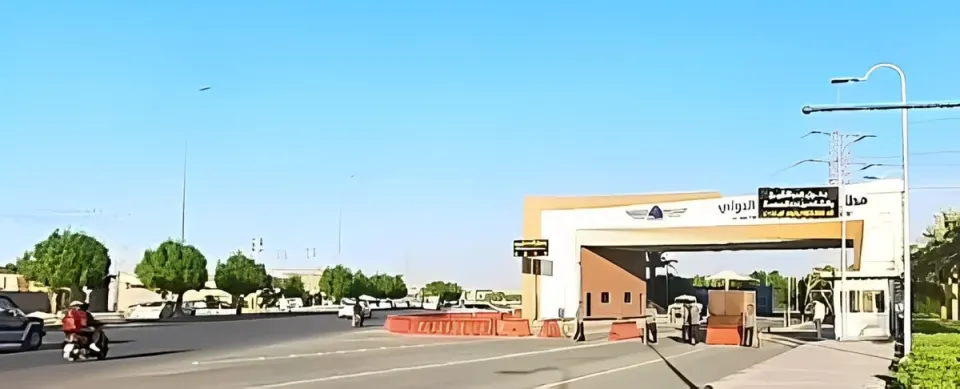
On the regional front, Iranian and Iraqi officials have reached a significant agreement to increase the frequency of flights between the two neighbors. According to reports from the Iraqi Prime Minister’s Office, Iranian airlines—with the notable exception of the sanctioned Mahan Air—will now operate up to 40 daily flights to Najaf International Airport. This move is designed to facilitate religious tourism and strengthen economic ties at a time when both nations are navigating the complexities of US sanctions. Iranian Ambassador Mohammad Kazem Al-Sadeq met with top Iraqi politicians in Baghdad to discuss these ties, emphasizing a mutual desire to bypass external economic pressures through localized cooperation.
However, the exclusion of Mahan Air serves as a stark reminder of the persistent reach of international sanctions. While the increase in flight capacity is a positive signal for the Iranian transport sector, the underlying economic reality remains challenging. The agreement reflects a pragmatic approach by the Iraqi government, which seeks to maintain a delicate balance between its relationship with Tehran and its obligations to the international financial system. For the average Iranian citizen, this may mean slightly more accessible travel for pilgrimage, but the broader impact on the Toman remains tied to larger geopolitical shifts rather than local aviation deals.
The Crypto Shakeout: Blast L2 Winds Down Operations
In the world of decentralized finance, the once-hyped Ethereum Layer-2 network, Blast, has announced it is winding down operations. After reaching a peak valuation and total value locked (TVL) of over $2.3 billion, the network's activity has plummeted by 98%. The developers cited operating costs that now far outpace the revenue generated by the network. Users are being urged to migrate their assets back to the Ethereum mainnet before the October 26 deadline. This collapse marks a significant turning point for the L2 narrative, suggesting that only the most efficient and well-integrated platforms—like those backed by giants such as Coinbase—will survive the current market cycle.
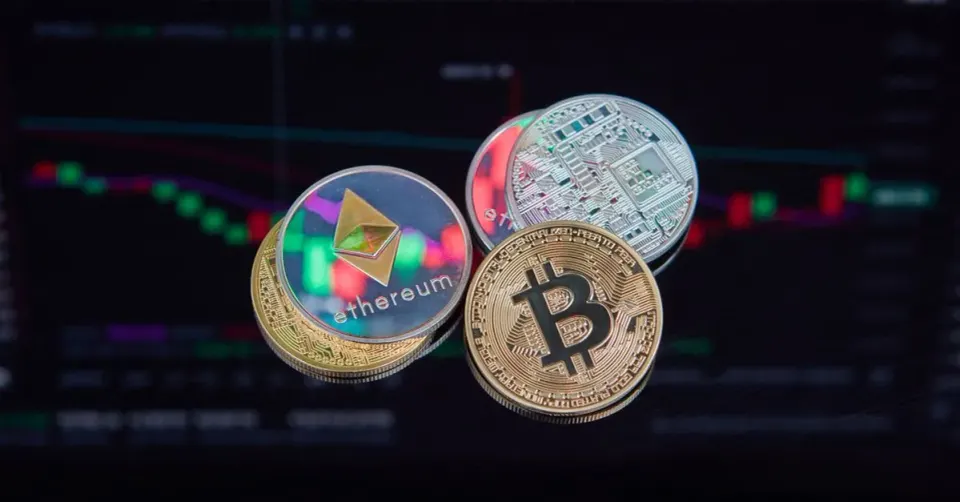
Bitcoin (BTC) is currently holding steady at $84,561, but the failure of a major L2 like Blast serves as a cautionary tale for Iranian crypto investors who often chase high-yield, speculative projects. The lesson here is clear: liquidity and sustainable revenue models matter more than initial hype. As the market consolidates, the focus is shifting toward "super intelligence" and enterprise-grade AI agents, as seen with OpenAI’s latest "Dot" platform. For those holding USDT in Iran (currently priced at 261,001 Toman), the stability of the dollar-peg remains the primary concern, but the underlying health of the crypto ecosystem is what will drive the next major move in BTC and ETH prices.
Frequently Asked Questions
چرا آزادسازی ذخایر سوخت توسط G7 برای بازار ایران مهم است؟
سرنوشت داراییهای کاربران در شبکه Blast چه میشود؟
چرا ماهان ایر از توافق پروازی جدید با عراق مستثنی شده است؟
Strategic Petroleum Reserves: How G7 Diesel Releases Influence Global Oil Prices and Inflation
Strategic Petroleum Reserves (SPRs) are government‑owned stockpiles of crude oil and refined products that can be tapped in times of supply disruption or price spikes. By holding large quantities of oil in reserve, countries can smooth out short‑term market shocks, protect domestic fuel supplies, and signal confidence to the market. When the G7 announced a release of 100 million barrels of diesel in October 2026, the move was intended to increase supply, lower diesel prices, and thereby ease inflationary pressures that had been fed by higher energy costs.
The mechanics of an SPR release are straightforward: the government authorizes the sale of oil from its stockpile, usually through a competitive bidding process to refiners or directly to the market. Because the reserves are held at a known cost, the additional supply can be offered at a price below prevailing market levels, creating a temporary surplus that pushes spot prices down. This price moderation can have a ripple effect on broader inflation, as energy accounts for a significant share of consumer price indices worldwide. Lower diesel prices reduce transportation costs, which in turn can lower the price of goods ranging from food to manufactured products.
Historically, SPR releases have been used during major crises, such as the 1973 oil embargo, the 1990 Gulf War, and more recently the 2022‑2023 supply disruptions caused by the Ukraine conflict. In each case, the releases helped to temper price spikes, though the magnitude of the effect depends on the size of the release relative to global demand and the duration of the supply shock. The G7’s 100 million‑barrel diesel release represents a sizable intervention, but it is still modest compared with the world’s daily oil consumption of roughly 100 million barrels, meaning its impact will be felt primarily in short‑term price stabilization rather than a long‑term shift in market fundamentals.
Beyond immediate price effects, SPR releases can influence exchange rates, especially in oil‑importing countries. When oil prices fall, the trade balance of import‑dependent economies improves, often leading to an appreciation of their currencies. For Iran and Iraq, where the rial and dinar are closely tied to oil revenues, a global diesel price decline can ease pressure on the Toman exchange rate and reduce the need for emergency fiscal measures. However, the benefits may be offset by other factors such as sanctions, domestic production constraints, and broader monetary policy decisions.
In summary, strategic petroleum reserves serve as a critical policy tool for managing oil market volatility. By releasing diesel, the G7 aims to cool inflation, support global trade, and indirectly stabilize currency markets. While such interventions are temporary, they illustrate the interconnectedness of energy policy, price stability, and macroeconomic health.