
UK Diesel Hits Record £2 Amid Iran War Fears as US Surges Carrier Strike Groups to Gulf
رکوردشکنی قیمت سوخت در اروپا و آرایش نظامی سنگین آمریکا در نزدیکی ایران؛ تلاطم در بازارهای جهانی
Global energy markets are reeling as UK diesel prices hit a record £2 per litre, driven by supply disruptions in the Gulf. Meanwhile, the US is deploying a massive naval force toward Iran, as Bitcoin liquidates shorts to touch $87,000.
At time of publishing
USD
258,700
Toman
Gold 18K
25.89M
Toman / gram
Bitcoin
$86,365
US Dollar
Tether
258,652.658
Toman
The £2 Diesel Milestone and the Political Fallout in London
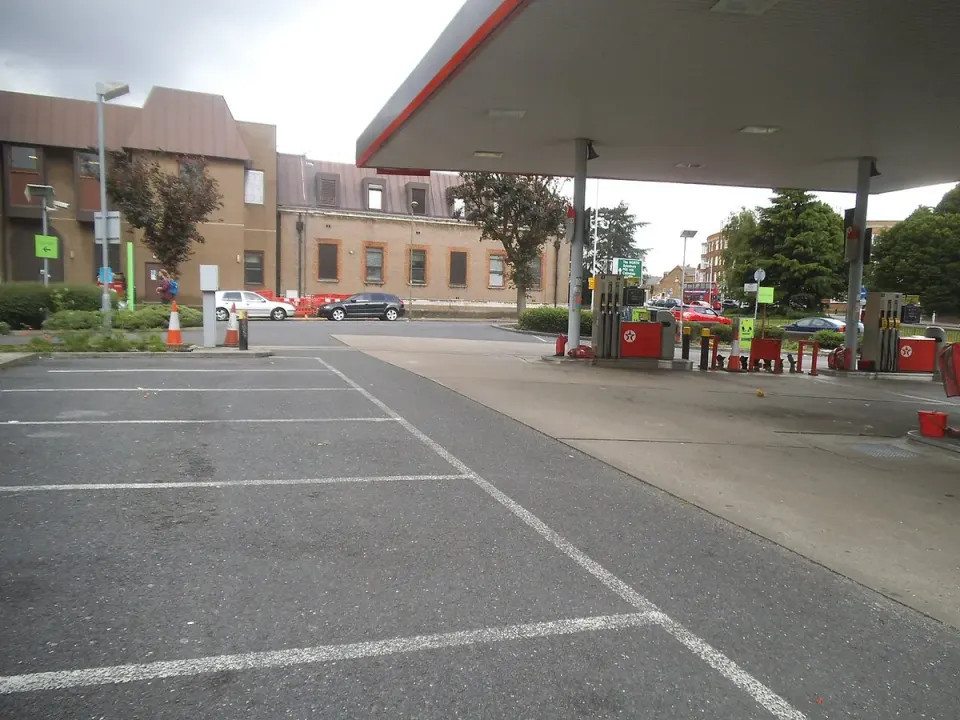
The global energy crisis has reached a painful new milestone this Friday, October 2, 2026, as diesel prices at UK forecourts hit a record average of £2 per litre. This surge is directly attributed to the ongoing US-Israel conflict with Iran, which has severely disrupted crude oil and refined product supplies flowing through the Persian Gulf. For motorists and small business owners in Europe, the war is no longer a distant geopolitical event; it is a daily financial burden. Analysts suggest that as long as the shipping lanes in the Middle East remain under threat, the inflationary pressure on logistics and transport will continue to mount, potentially forcing central banks to keep interest rates higher for longer than previously anticipated.
In Westminster, this economic strain is fueling a political firestorm. Kemi Badenoch has claimed that the Labour government is quietly preparing for a general election in May 2027, sensing that the window for economic recovery is closing. Senior Labour figures are reportedly uneasy about the upcoming budget, as the global bond sell-off—triggered by soaring energy costs and the unpredictability of Donald Trump’s foreign policy—has significantly increased the cost of government borrowing. For the average Iranian observer, this instability in Western markets reflects a broader global shift where energy security has become the primary driver of political survival, even in the world's oldest democracies.
US Military Build-up: Three Carriers and the Aviation Security Crisis
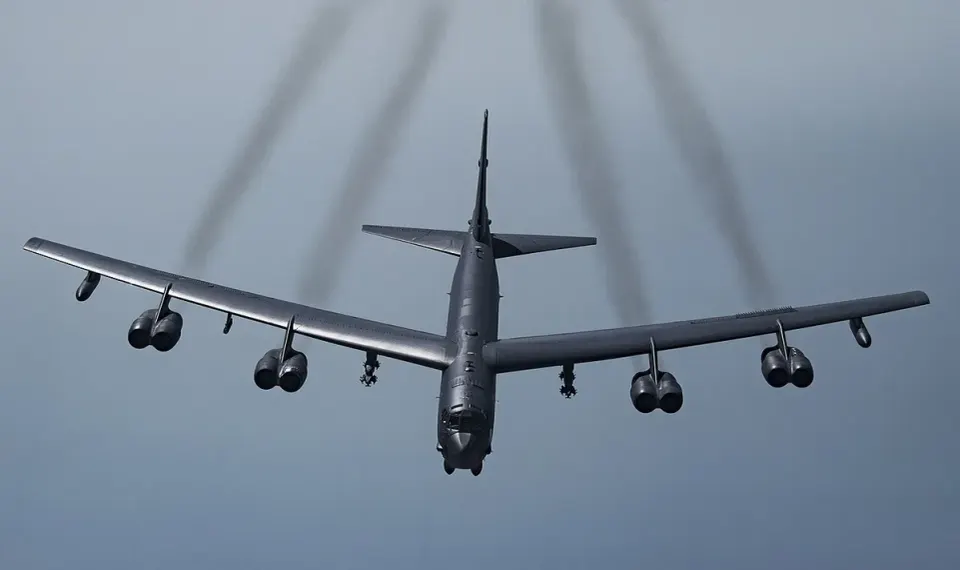
The military situation in the Middle East is escalating toward a potential breaking point. Reports indicate that by the end of November, the United States will have positioned three aircraft carriers and over 10,000 troops in close proximity to Iran. This massive surge in naval and ground forces is seen as a direct response to the widening conflict and a deterrent against further regional escalation. The deployment of two amphibious landing groups alongside these carriers suggests that the US is preparing for a range of contingencies, from securing shipping lanes in the Strait of Hormuz to potential direct kinetic interventions. This build-up has sent shockwaves through regional markets, keeping the Iranian Rial under immense pressure despite the lack of a major price move today.
Adding to the sense of chaos, the aviation sector is grappling with the aftermath of a cockpit attack on a FlyDubai flight traveling from Dubai to Tel Aviv. This incident, which occurred mid-air, has led to the suspension of the only direct service between the two cities, further isolating regional hubs. While the flight was eventually secured, the psychological impact on international travel and trade cannot be overstated. For Iran, these developments mean a tightening of the noose around regional logistics, as airlines and shipping companies reconsider the safety of routes that were once considered routine. The cost of insurance for regional transport is expected to skyrocket, further inflating the price of imported goods.
Bitcoin Defies Gravity as Gold Holds Its Safe-Haven Status
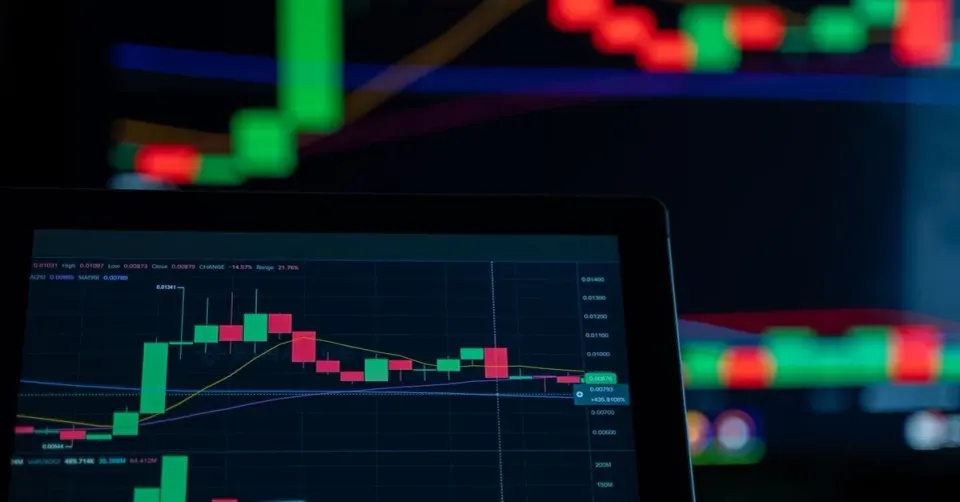
Despite the drums of war beating louder, the cryptocurrency market has entered a 'risk-on' phase that has surprised many traditional analysts. Bitcoin (BTC) surged toward the $87,800 mark today, currently trading at $86,365, as it liquidated over $120 million in short positions. This move suggests that institutional and retail investors are increasingly viewing decentralized assets as a hedge against the systemic instability of the traditional financial system, which is currently plagued by high bond yields and a deteriorating debt outlook in G7 nations. Bitcoin's dominance is nearing 60%, indicating that capital is fleeing smaller altcoins in favor of the 'digital gold' standard.
In the domestic Iranian market, gold continues to serve as the primary protector of wealth. Gold 18k per gram rose by 0.7% over the last 24 hours, moving from 25,719,100 to 25,889,930 Toman. While the USD/IRR rate remained stable at 258,700 Toman, the rise in gold prices reflects the global increase in the ounce, which is currently at a staggering $4,179.60. Investors are balancing the 'risk-on' allure of crypto with the 'safe-haven' security of physical gold, creating a bifurcated market where those with high risk tolerance chase Bitcoin's volatility, while the more conservative majority clings to the stability of the Emami coin, currently valued at 261,000,000 Toman.
Frequently Asked Questions
چرا قیمت دیزل در بریتانیا به ۲ پوند رسید؟
آرایش نظامی جدید آمریکا در منطقه شامل چه تجهیزاتی است؟
واکنش بازار ارز و طلای ایران به این تنشها چه بود؟
علت جهش بیتکوین در میان تنشهای جنگی چیست؟
The Strait of Hormuz: Global Oil's Critical Choke Point
The Strait of Hormuz is a narrow, strategically vital waterway connecting the Persian Gulf to the Gulf of Oman and the Arabian Sea. It serves as the sole maritime passage from the oil-rich Persian Gulf to the open ocean, making it an indispensable conduit for a significant portion of the world's crude oil and liquefied natural gas (LNG) exports. Its immense importance stems from the sheer volume of energy resources that pass through its waters daily, originating from major producers like Saudi Arabia, Iran, Iraq, Kuwait, Qatar, and the UAE.
Often referred to as a "choke point," the Strait is incredibly narrow, particularly at its entrance, where shipping lanes are only a few miles wide. This geographical constraint means that any disruption, whether due to military conflict, political tensions, or even a major shipping accident, could severely impede the flow of energy to global markets. Such an event would not only create immediate supply shortages but also trigger a dramatic surge in oil and gas prices worldwide, impacting everything from industrial production to the cost of filling a car's fuel tank, as seen with record diesel prices.
The geopolitical sensitivity surrounding the Strait of Hormuz is perpetually high, largely due to its proximity to Iran, which has historically threatened to close the strait in response to international sanctions or military pressure. The presence of U.S. aircraft carrier strike groups in the region, as mentioned in the headline, underscores the international community's recognition of the strait's criticality and the need to maintain its open passage. Fears of disruption, even without an actual blockade, can drive speculative trading in oil markets, leading to price volatility and contributing to broader global energy crises. Understanding this choke point is key to comprehending why regional tensions have such far-reaching economic consequences.
Topics
Related Articles