
IRGC Issues 'Devastating' Warning as US Bolsters Gulf Defenses; BTC Holds $86K Amid Shocking US Jobs Miss
هشدار «ویرانگر» سپاه همزمان با تقویت دفاعی آمریکا در منطقه؛ بیتکوین در شوک آمار اشتغال آمریکا ۸۶ هزار دلار را حفظ کرد
The IRGC has warned of a painful response to any regional aggression just as the US deploys Patriot batteries to Saudi Arabia and Qatar. Meanwhile, a massive miss in US jobs data has sparked political turmoil in Washington but failed to sink Bitcoin, which remains resilient above $86,000.
At time of publishing
USD
260,900
Toman
Gold 18K
26.03M
Toman / gram
Bitcoin
$86,324
US Dollar
Tether
261,063.446
Toman
Geopolitical Tensions Rise as IRGC Warns of 'Devastating' Response
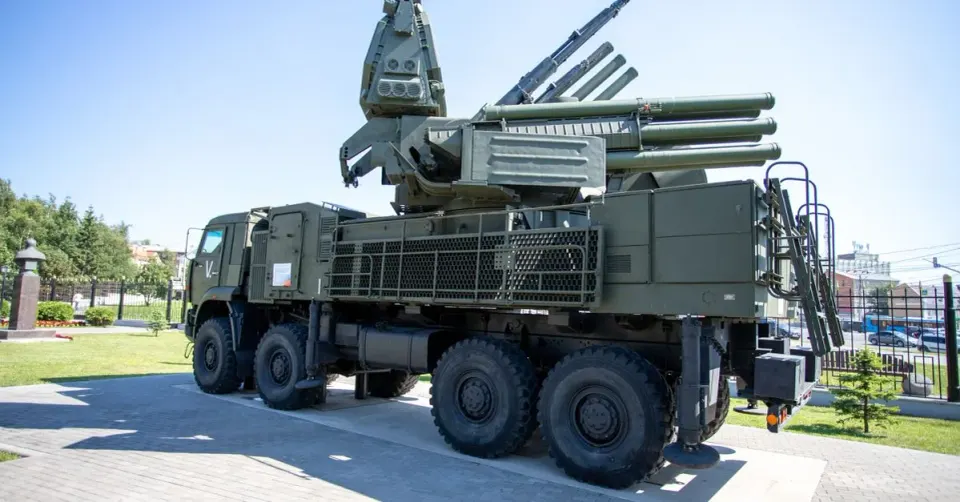
In a sharp escalation of rhetoric on Friday, October 2, 2026, the Islamic Revolution Guard Corps (IRGC) issued a stern warning against any perceived threats or aggression toward Iran. According to reports from Iranian state media, the Guard emphasized that the "era of cost-free threats" has come to an end, suggesting that any military or strategic provocation would be met with a response described as both painful and devastating. This statement arrives at a moment of heightened sensitivity in the Middle East, as Tehran continues to accuse the United States and Israel of complicity in regional violence and the destruction of critical infrastructure. Compounding the tension, reports have emerged that the United States has recently deployed additional Patriot missile batteries to Saudi Arabia and Qatar. These deployments are specifically aimed at shielding key oil and natural gas facilities from potential strikes as the risk of wider regional conflict grows. For Iranian observers and market participants, this military posturing is more than just saber-rattling; it directly influences the risk premium on the Iranian Rial. On Friday, the USD/IRR rate in the open market moved from 258,700 to 260,900, marking a 0.9% increase as domestic demand for safe-haven assets rose in tandem with the geopolitical temperature.
US Jobs Market Stumbles as Bitcoin Defies Economic Gravity
The global economic outlook took a significant hit today with the release of the September US jobs report, which showed the American economy added a meager 29,000 jobs. This figure was a massive disappointment compared to the 84,000 jobs economists had projected, sending the national unemployment rate up to 4.2%. The news immediately became a political lightning rod in Washington, with top Democrats like Elizabeth Warren and Chuck Schumer harshly criticizing the current administration's economic agenda. The data suggests that the aggressive fiscal and monetary policies of the past year may finally be cooling the labor market faster than anticipated, raising fears of a looming recession. Despite the dismal economic data, the cryptocurrency market showed remarkable resilience. Bitcoin (BTC) managed to hold its earlier gains, trading at $86,324, while Ethereum hovered around $2,734. Typically, weak jobs data might trigger a sell-off in risk assets, but many investors are interpreting the cooling labor market as a signal that the Federal Reserve may be forced to pivot toward more aggressive interest rate cuts. This expectation of increased liquidity has provided a floor for Bitcoin, which is increasingly being viewed as a hedge against traditional economic instability and currency debasement.

Global Unrest Spreads from Yemen to the Streets of France
Geopolitical stability is facing challenges on multiple fronts today. In Yemen, fighting has intensified to levels not seen in years, with heavy bombardments reported in the capital, Sanaa, and fierce clashes around the strategic city of Taiz. These developments have reignited fears of an all-out war that could further disrupt global energy shipping lanes. The intensification of the conflict in Yemen, coupled with the ongoing energy crisis in Europe—where high gas prices are forcing utilities back to coal—paints a picture of a world struggling to maintain its energy security amid persistent volatility. Meanwhile, in Europe, France is grappling with significant internal unrest. On Friday, over 560 schools were disrupted by protests that have escalated into what local authorities describe as "urban violence." Nearly 3,000 teenagers have been detained as student-led demonstrations against government policies shut down educational establishments across the country. This domestic turmoil in one of Europe’s core economies adds another layer of uncertainty for global markets, which are already on edge due to the combination of weak US economic data and the precarious situation in the Middle East. For the average reader, these events collectively signal a period of high volatility where traditional market logic is being tested by localized crises with global consequences.

Frequently Asked Questions
Why did the US deploy Patriot missiles to Saudi Arabia and Qatar now?
How did the US jobs report impact the price of Bitcoin?
What is the cause of the school disruptions in France?
Why is the Iranian Rial losing value today?
Understanding Geopolitical Risk Premium
In the complex world of finance and international relations, events like military warnings and defense buildups aren't just headlines; they introduce what economists and investors call a Geopolitical Risk Premium. This concept refers to the additional return investors demand for holding assets in regions or countries perceived to be at higher risk due to political instability, conflict, or international tensions. Alternatively, it can describe the price increase in certain commodities or assets that are directly affected by or benefit from such instability, like oil prices surging during Middle Eastern tensions.
This premium manifests in various ways across financial markets. For instance, when geopolitical tensions escalate in a key oil-producing region, the supply outlook becomes uncertain, leading traders to demand a higher price for crude oil as a hedge against potential disruptions. Similarly, a country's government bonds might see their yields rise as investors demand greater compensation for the perceived risk of default or economic instability. Currency markets are also highly sensitive; during times of heightened risk, investors often flock to "safe-haven" currencies like the U.S. dollar or the Japanese Yen, while currencies of nations directly involved in or adjacent to the conflict might depreciate significantly due to capital flight and reduced investment.
The keywords provided, such as the "IRGC warning," "US Bolsters Gulf Defenses," and "Yemen war escalation," directly point to an increase in geopolitical risk in the Middle East. This heightened risk can contribute to a premium in oil prices, affect the stability of regional currencies (like the Iranian Rial's exchange rate against the U.S. dollar), and influence broader investor sentiment towards assets in the region. While other factors like a "US jobs report" or "Bitcoin price movements" reflect macroeconomic trends and market-specific dynamics, understanding the geopolitical risk premium helps explain a distinct and powerful driver of market behavior, especially in volatile global environments.
Topics
Related Articles