
LNG Surges Through Hormuz Amid Renewed Middle East Risk; AI War Songs Emerge
رشد بیسابقه صادرات گاز مایع از تنگه هرمز در بحبوحه افزایش ریسک خاورمیانه؛ ظهور آهنگهای جنگی با هوش مصنوعی
Liquefied Natural Gas (LNG) shipments through the Strait of Hormuz have reached their highest point since the Iran war began, signaling a complex interplay of energy demand and regional tensions. Meanwhile, new reports highlight the unsettling use of AI in generating propaganda, with Russia reportedly employing the technology for war songs glorifying its invasion of Ukraine.
At time of publishing
USD
260,800
Toman
Gold 18K
25.95M
Toman / gram
Bitcoin
$85,485
US Dollar
Tether
261,040
Toman
LNG Shipments Hit Post-War Highs Through Hormuz
Liquefied Natural Gas (LNG) shipments transiting the Strait of Hormuz have reached their highest monthly volume since the current Iran war commenced, according to shipping data. In September, an estimated 21 LNG cargoes navigated the critical chokepoint, a significant figure that, while still below pre-conflict levels, indicates a robust demand for energy and a willingness by some producers to utilize this vital route despite ongoing geopolitical risks.
This surge in LNG traffic is occurring against a backdrop of heightened regional tensions. Despite efforts to reroute or bypass the Strait, its strategic importance remains paramount, handling a fifth of global LNG supply prior to the conflict. The reappearance of Qatari LNG cargoes from Ras Laffan outside the Strait this week underscores the delicate balancing act involved in maintaining energy flows. This development is crucial for global energy markets, particularly as Europe braces for winter and seeks to secure stable fuel supplies, potentially influencing price stability and supply chain resilience.
---
AI-Generated Propaganda: Russia's New Frontier
New intelligence suggests Russia is employing artificial intelligence to produce and disseminate propaganda, specifically through AI-generated war songs that glorify its invasion of Ukraine. This development represents a significant escalation in the use of AI in information warfare, moving beyond traditional text-based or image manipulation to create emotionally resonant audio content designed to sway public opinion and bolster domestic support for the conflict.
The use of AI in this manner raises profound ethical and security concerns. Platforms developed in the United States are reportedly being utilized, highlighting the dual-use nature of advanced technologies and the challenges in controlling their application. This tactic aims to create a more pervasive and potentially more effective propaganda machine, leveraging AI's ability to rapidly generate vast amounts of tailored content. The implications extend beyond the immediate conflict, signaling a future where AI-driven narratives could become a standard tool in geopolitical contests, potentially destabilizing information ecosystems globally.
---
Middle East Oil Prices Stabilize Amid Shifting Supply Routes
Middle East oil markets are showing signs of stabilization, with experts suggesting that oil prices are nearing pre-Iran war levels. This resilience is attributed to a combination of factors, including increased U.S. military assistance to regional partners, the use of shuttle tankers, and the development of alternative pipelines that bypass the Strait of Hormuz. These adjustments have allowed key oil-producing nations to maintain significant export volumes, mitigating the immediate impact of the conflict on global supply.
While supply routes are adapting, the underlying geopolitical risk in the Middle East remains a potent factor influencing market sentiment. Reports of the U.S. deploying a third carrier strike group to the region, coupled with ongoing constraints on refined product flows from Russia and China, continue to inject volatility into energy markets. This dynamic creates a tug-of-war between improving crude supply and persistent concerns over refined fuel availability and regional instability, keeping traders on edge and supporting price levels that are sensitive to any further escalation. The situation highlights the intricate relationship between geopolitical events, energy security, and the global economy.
---
Fashion's 'Silly Little Hats' and Economic Undercurrents
The fashion world is experiencing a notable resurgence in characterful hats, from pillboxes and boaters to buckets and bicornes. This trend, observed across high-end brands like Loro Piana, Thom Browne, and Chloé, suggests a move towards more expressive and individualistic style choices. The adoption of these 'silly little hats' by influential figures and on major runways indicates a broader cultural shift, potentially reflecting a desire for personality and flair amidst complex global circumstances.
While seemingly a lighthearted cultural observation, the rise of such distinct fashion trends can sometimes be interpreted as an economic indicator. In times of economic uncertainty or significant societal change, fashion often becomes a canvas for expressing mood, aspiration, or even a form of escapism. The increased focus on unique accessories and statement pieces could signal a consumer base looking to invest in smaller, impactful items that offer a sense of personal agency and optimism, even as larger economic pressures persist. This trend, while superficial in nature, offers a glimpse into consumer psychology and market behavior.

Frequently Asked Questions
What is the significance of the increase in LNG shipments through the Strait of Hormuz?
How is Russia reportedly using AI in its propaganda efforts?
What are the economic implications of the 'silly little hats' fashion trend?
Are Middle East oil prices expected to remain stable given the current situation?
The Strategic Significance of the Strait of Hormuz
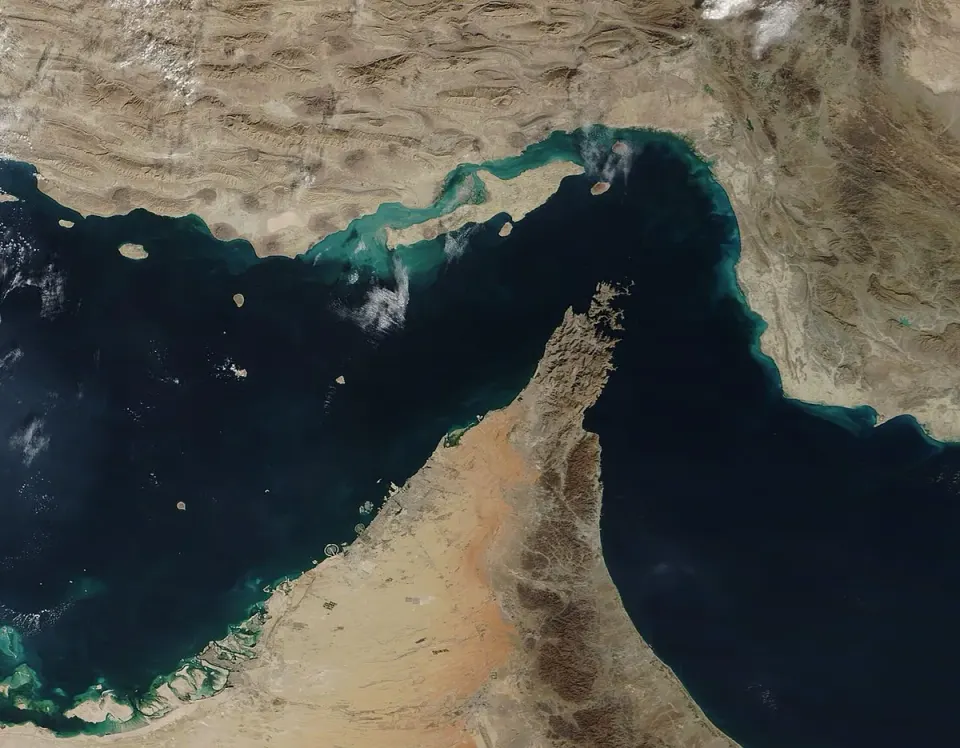
The Strait of Hormuz is one of the world’s most critical maritime chokepoints – a narrow sea passage that concentrates global traffic and therefore magnifies the impact of any disruption. Stretching only about 21 nautical miles at its narrowest point, it links the Persian Gulf with the open ocean, funneling roughly 20% of global oil shipments and a substantial share of liquefied natural gas (LNG) cargoes through its waters. Because the majority of the world’s major LNG exporters – Qatar, Iran, the United Arab Emirates, and Saudi Arabia – sit on the Gulf’s southern shore, any blockage can instantly reverberate through energy markets, inflating prices and reshaping supply contracts.
Geopolitically, the strait sits at the intersection of rival regional ambitions and great‑power interests. Iran has, at times, threatened to close the waterway in response to sanctions or perceived threats, while the United States and its allies maintain a naval presence to guarantee freedom of navigation. Historical flashpoints – such as the 1980s “Tanker War” during the Iran‑Iraq conflict, the 2019 seizure of the Kuwait‑Liberation tanker, and more recent drone attacks on commercial vessels – illustrate how quickly a localized dispute can become a global energy shock. These episodes underscore the concept of “strategic vulnerability,” where a single geographic bottleneck can amplify geopolitical leverage.
For LNG traders, the Hormuz corridor is a double‑edged sword. On the one hand, the proximity of Gulf LNG terminals to major consuming markets in Asia and Europe makes the route economically efficient. On the other, the ever‑present risk of closure forces market participants to hedge against supply interruptions, often by diversifying routes (e.g., using the Suez Canal or the Cape of Good Hope) or by holding larger inventory buffers. The 2023‑2024 surge in LNG spot prices, driven partly by heightened Middle‑East tensions, demonstrated how quickly perceived risk can translate into higher freight rates and tighter contract terms.
Understanding the strategic importance of the Strait of Hormuz helps explain why news of “LNG surging through Hormuz amid renewed Middle East risk” carries weight far beyond a simple shipping update. It is a reminder that geography still shapes economics, and that the security of a 21‑mile stretch of water can influence the energy bills of households thousands of miles away.
Topics
Related Articles